How to Transplant Yellow daylily?
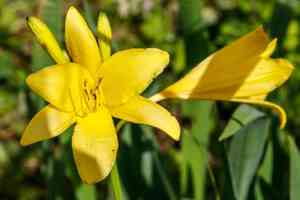
The most favorable time for relocating yellow daylily is during its inactive phase, usually throughout the winter season, which guarantees vigorous development in spring. Select a sunny location featuring soil that drains effectively. When separating, confirm that each clump possesses multiple sprouts to maximize vitality.
What Preparations are Needed Before Transplanting Yellow Daylily?
What is the Ideal Time for Transplanting Yellow Daylily?
When winter's chill recedes, it's the perfect time to move yellow daylily. This timing allows yellow daylily to establish roots while dormant, before spring's warmth encourages strong growth. Placing yellow daylily in their new home during this cooler period can greatly boost their vigor, setting the stage for a vibrant display once warmer months arrive. There's a special appeal in preparing for fresh starts as nature awakens, ensuring a smooth transition for yellow daylily.
How Much Space Should You Leave Between Yellow Daylily Plants?
For best growth, position your yellow daylily plants approximately 2-3 feet (60-90 cm) apart. This ensures they have ample room to expand without competing for resources. Consider it providing them with their own personal area!
What is the Best Soil Mix for Yellow Daylily Transplanting?
Before planting yellow daylily, prepare the site with well-draining soil, ideally loam or sandy loam, enriched with compost or a slow-release granular fertilizer. This improves soil quality and provides essential nutrients for your plants to flourish.
Where Should You Relocate Your Yellow Daylily?
When selecting a spot for your yellow daylily, remember their love for sunlight. Choose a location that receives at least six hours of direct sun daily. Their cheerful blooms will appreciate the sunbathing time!
What Equipments Should You Prepare Before Transplantation Yellow Daylily?
Shovel or Trowel
for excavating the yellow daylily from its original spot and for preparing the new planting hole.
Gardening Gloves
To safeguard your hands while handling soil and plants.
Watering Can
For hydrating the yellow daylily before and after relocation.
Wheelbarrow
Useful for moving the yellow daylily from its initial location to the new transplant site without causing harm.
Pruners or Shears
To trim any damaged roots from the yellow daylily prior to transplanting.
How Do You Remove Yellow Daylily from the Soil?
How Do You Remove Yellow Daylily from the Soil?
From Ground: Begin by watering the yellow daylily plant to moisten the soil around its roots. This helps prevent root damage. Next, use a shovel or trowel to dig a wide circle around the main part of the plant, ensuring to go deep enough to include the root system. Gradually work the shovel beneath the root ball, keeping the soil attached to the roots if possible. Once loose, lift the plant out.From a Pot: Water the yellow daylily and allow it to drain. Invert the pot while supporting the yellow daylily with your other hand, catching it and the root ball intact. If it's stuck, you might need to tap the pot's bottom or carefully ease the plant out with a trowel or your fingers.From Seedling Tray: Water the tray and gently squeeze the bottom of the cell/pod as you lift the yellow daylily. It's important to handle it only by the leaves, as the stem is easily damaged.
Step-by-Step Guide for Transplanting Yellow Daylily
Prepare the Plant
Water the yellow daylily thoroughly the day before you intend to transplant. This makes the plant easier to remove and lessens transplant shock.
Dig the Hole
In the chosen location, dig a hole twice the size of your yellow daylily's root ball. The hole should be deep enough so the top of the root ball is level with or slightly below the ground surface.
Transplant the Plant
Gently place the yellow daylily into its new hole, trying to keep the root ball intact. Backfill the hole with soil, gently firming it around the base of the yellow daylily. Avoid planting the yellow daylily deeper than it was in its original spot.
Water the Plant
Immediately after transplanting, thoroughly water the yellow daylily to settle the soil and establish initial contact between the roots and their new environment.
How Do You Care For Yellow Daylily After Transplanting?
Watering
Always keep the soil around the yellow daylily moist but not waterlogged by watering it frequently. This encourages the yellow daylily to develop a deep, healthy root system.
Pruning
Prune back the yellow daylily after it has finished blooming, removing spent flowers and leaves.
Mulching
Apply mulch around your yellow daylily to retain moisture, suppress weeds, and regulate soil temperature.
Pests & Diseases
Monitor for pests and address them promptly. Regularly inspect the yellow daylily for signs of disease and take necessary actions.
Troubleshooting Common Issues with Yellow Daylily Transplantation.
What is the optimal time of year for transplanting yellow daylily?
The best time to move yellow daylily is during the late fall to early winter season (S10-S12). The cooler weather supports root growth.
How much distance should I maintain between yellow daylily plants?
Space yellow daylily plants around 2-3 feet (60-90 cm) apart. This gives the plant enough room to grow and spread.
Do yellow daylily plants have specific sunlight requirements during transplant?
Yes, yellow daylily plants thrive in full sun exposure. Ensure the transplant site receives ample sunlight for optimal growth.
What should be the depth of the hole for transplanting yellow daylily?
Dig a hole twice as wide and the same depth as the root ball. This allows adequate space for the roots to spread.
Do I need to water yellow daylily immediately after transplanting?
Yes, watering yellow daylily right after transplanting is crucial. It helps settle the soil around roots and reduces transplant shock.
How to care for yellow daylily in the first week after transplanting?
In the initial week, water yellow daylily deeply and regularly, avoid direct harsh sunlight, and refrain from fertilizing.
How long until yellow daylily starts showing signs of growth after transplanting?
Yellow daylily usually show signs of new growth within 3-4 weeks post transplanting. However, give them about 6-8 weeks to fully establish.
What should I do if my transplanted yellow daylily is wilting?
Ensure yellow daylily is watered consistently and protected from extreme weather. If wilting persists, it may be a sign of root rot or disease.
Why are my transplanted yellow daylily yellowing?
Yellowing could signify water stress, too much sunlight, disease, or a nutrient deficiency. Address these issues accordingly.
Should I prune yellow daylily after transplanting?
No immediate pruning is required. Prune yellow daylily during the growing season if necessary to maintain shape and encourage reblooming.



