How to Transplant Heliotrope?
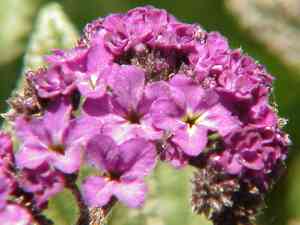
The most favorable period for transplanting heliotrope occurs in early spring, as the environment is perfect for root development. Choose a location that receives ample sunlight and has soil that drains effectively. Should the soil quality be subpar, improving it prior to moving the plant can boost its growth.
What Preparations are Needed Before Transplanting Heliotrope?
What is the Ideal Time for Transplanting Heliotrope?
The optimal period for relocating heliotrope is during the spring season, ideally after the last frost. This timing ensures a smooth transition, utilizing the milder weather for root development. Moving heliotrope in the gentle warmth of spring allows the plant to enjoy the full growing season ahead, establishing strong roots and blooming to its maximum potential.
How Much Space Should You Leave Between Heliotrope Plants?
When preparing to move your heliotrope seedlings, ensure they are spaced approximately 2-3 feet (60–90 cm) apart. This provides ample room for the plant to expand and grow without competing with nearby plants. It's crucial for optimal health!
What is the Best Soil Mix for Heliotrope Transplanting?
Prepare the new location for your heliotrope with soil that drains effectively. A standard starter fertilizer should suffice, providing essential nutrients. Consider incorporating organic material like compost to enhance soil fertility. This is a beneficial step for ensuring your plant's well-being.
Where Should You Relocate Your Heliotrope?
Heliotrope thrives in full sun! Aim to transplant your seedlings to a garden area that receives 6-8 hours of direct sunlight daily. Ample sunlight will help your plant flourish.
What Equipments Should You Prepare Before Transplantation Heliotrope?
Gardening Gloves
To safeguard your hands while handling soil and heliotrope.
Shovel or Trowel
A shovel is necessary for moving heliotrope from its original ground location, while a trowel is perfect for heliotrope grown in containers.
Pruning Shears
These are utilized for trimming any damaged roots and branches prior to transplanting heliotrope.
Gardening Fork
A useful implement for loosening and aerating the soil at the new planting site.
Watering Can
You will need to thoroughly water heliotrope after transplanting.
Mulch
Following irrigation, mulch aids in retaining moisture around the base of heliotrope.
How Do You Remove Heliotrope from the Soil?
How Do You Remove Heliotrope from the Soil?
From Ground: First, water heliotrope sufficiently. This will facilitate an easier and less stressful removal process for the plant. Next, using your shovel, carefully dig around heliotrope to ensure the root ball remains intact. By gently working the shovel underneath, you can lift heliotrope and its root ball out, ready for relocation.From Pots: If heliotrope is in a pot, you'll want to first water the plant. Then, turn the pot on its side, holding heliotrope gently at the base. You can tap the rim of the pot to help loosen the root ball.From Seedling Tray: If heliotrope is started in a seedling tray, use a small trowel or an old tablespoon to extract each plant. Be careful not to harm the delicate roots. Ensure the seedling is lifted by the root ball and not the stem to prevent any damage.
Step-by-Step Guide for Transplanting Heliotrope
Hole Preparation
Begin by excavating a hole using your shovel or trowel. The hole should be twice as wide and the same depth as the root ball of heliotrope.
Placing the Plant
Gently position heliotrope in the center of the hole, ensuring it is not planted deeper than it was in its initial spot. Also, confirm that the plant is upright.
Backfilling
Refill the hole with the soil you previously removed, gently pressing it down around the roots. Be careful not to cover the stem.
Watering
After transplanting heliotrope, provide the plant with a good watering until the soil is moist, but not saturated.
Mulching
Apply a layer of mulch around the base of heliotrope to help retain moisture. Be careful not to pile it against the stem.
How Do You Care For Heliotrope After Transplanting?
Watering
Water heliotrope regularly post-transplant, especially during dry spells. However, ensure to prevent waterlogging, which can lead to root rot. The soil should ideally be kept consistently moist.
Pruning
Prune heliotrope to maintain a compact shape, and to encourage another round of abundant flowering.
Pest Control
Monitor for common pests such as caterpillars and beetle bugs. If observed, apply an organic or chemical pest control as appropriate.
Feeding
Once heliotrope has begun to establish itself in its new location, apply a slow-release fertilizer to promote vigorous growth and blooming.
Remember
Heliotrope is a demanding plant, so consistent feeding will be advantageous.
Troubleshooting Common Issues with Heliotrope Transplantation.
When is the ideal time to transplant heliotrope?
The perfect seasons for relocating heliotrope are late winter to early spring (S1-S3). This provides the plant ample time to settle before the summer heat.
What is the suitable spacing for transplanting heliotrope?
Ensure to space heliotrope plants approximately 2-3 feet (60-90 cm) apart. This allows for optimal growth and air circulation among plants.
What should be the depth of the hole while transplanting heliotrope?
The hole should be deep enough to fully encompass the plant's root system. Typically, twice as wide and the same depth as the root ball works best.
How much watering does heliotrope require after transplantation?
After transplanting, water heliotrope thoroughly. Maintain moist but not saturated soil as it establishes. Avoid waterlogging as it can lead to root rot.
How to choose a proper location for transplanting heliotrope?
Heliotrope thrives in well-draining soil in full sun to partial shade. A spot receiving morning sun and afternoon shade is an excellent choice.
What type of soil is best for transplanting heliotrope?
Fertile, well-drained soil is ideal for heliotrope. Amend the planting hole with some compost or organic matter to boost nutrient levels.
What care does heliotrope need after transplanting?
Once heliotrope is transplanted, maintain regular watering, keep an eye out for pests, and fertilize occasionally to promote robust and healthy growth.
What are some signs that heliotrope is not transplanting well?
Wilting, yellowing leaves or stunted growth could indicate transplant shock. Try adjusting the watering and ensure the plant is not in full sun.
How to acclimatize heliotrope to outdoor conditions before transplanting?
Gradually expose heliotrope to outdoor conditions over a week to harden off. Increase the time outside each day to acclimatize it before transplanting directly.
What steps should be taken if heliotrope is not thriving after transplanting?
Check the soil moisture and sunlight levels. Make adjustments as needed. Consider a controlled-release fertilizer to give heliotrope a nutrient boost.



