How to Transplant Parrot's beak?
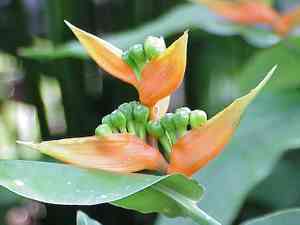
The ideal period for relocating parrot's beak is just as spring commences. Select a brightly lit location featuring soil that drains effectively. During the transfer of parrot's beak, ensure the root system remains intact to facilitate a smooth adjustment to its new environment.
Essential Preparations Before Relocating Parrot's Beak
Optimal Timing for Parrot's Beak Relocation?
The best period to move your parrot's beak is during the gentle transition from early to mid-spring. This timeframe provides mild weather, allowing roots to establish comfortably before summer's peak heat. Transplanting parrot's beak now capitalizes on moderate temperatures and increasing daylight, promoting vigorous growth. Giving parrot's beak this seasonal advantage boosts its chances of thriving, as the gentle conditions support a smooth transition and root development.
Recommended Spacing Between Parrot's Beak Plants?
When transplanting parrot's beak, ensure adequate spacing for each plant. Ideally, position them approximately 2-3 feet (60-90 cm) apart. This spacing facilitates proper development and good air circulation around the plant.
Ideal Soil Mixture for Parrot's Beak Transplanting?
Regarding soil type and base fertilizer, parrot's beak thrives in well-draining soil. Consider using a sandy or loamy soil blend enriched with a balanced, slow-release fertilizer. This combination supplies the rich nutrients parrot's beak requires for optimal growth.
Preferred Location for Your Parrot's Beak?
Finally, parrot's beak loves sunlight! Select a spot where the plant will receive at least 6 to 8 hours of sun daily. However, ensure it's protected from harsh afternoon sun, which can scorch its leaves.
Equipment Needed Before Transplanting Parrot's Beak
Gardening Gloves
To safeguard your hands from sharp objects while handling soil, roots, and the parrot's beak plant.
Shovel or Spade
Essential for excavating holes at both the original and new planting sites. Choose one with a comfortable grip and appropriate size for your needs.
Pruning Shears
Useful for trimming any dead or diseased portions of the parrot's beak plant both before and after transplantation.
Garden Fork
To aerate the soil in the new planting hole, encouraging more efficient root growth.
Watering Can or Hose
Required for hydrating the parrot's beak plant before and after the transplant.
Wheelbarrow or Large Bucket
You'll need a container to transport the excavated parrot's beak plant from one location to another.
How to Extract Parrot's Beak from the Soil?
How to Extract Parrot's Beak from the Soil?
From Ground: First, ensure your parrot's beak plant is thoroughly hydrated by watering it the day before the planned transplant. This facilitates easier removal and minimizes plant shock. Dig a trench around the plant, being careful not to damage it with your shovel or spade. The trench should be deep enough to encompass all the roots. Loosen the soil surrounding the plant and gently slide the spade beneath the root ball. Lift carefully, keeping the root ball intact.From Pot: Before removing your parrot's beak from its container, ensure it is well-watered. This will make the process smoother and less stressful for the plant. Gently tilt the pot onto its side and carefully slide the plant out, aiming to keep the root ball intact. If the plant is resistant, you can use a soft tool to loosen the soil around the pot's edges, but be cautious not to harm the root system.From Seedling Tray: When the parrot's beak seedling is robust enough for transplanting, confirm it has been watered and is not dry. Without disturbing other seedlings, isolate the one you wish to transplant and gently push up from the bottom of the tray beneath the seedling cell. This should loosen the seedling and its root ball, allowing for careful removal from the tray.
Step-by-Step Guide for Transplanting Parrot's Beak
Site Preparation
Prepare the new planting site by digging a hole deep enough to accommodate the parrot's beak plant's root ball and wide enough to prevent root crowding. Loosen the soil at the bottom of the hole using a garden fork.
Plant Positioning
Place the parrot's beak plant so its root ball is level with the soil surface in the new location. Ensure the plant is upright and centered in the hole.
Backfill
Refill the hole with soil, gently firming it with your hands to eliminate any air pockets. This crucial step ensures direct contact between the roots and the soil.
Water
Thoroughly water the parrot's beak plant immediately after transplanting. The soil should be moist, but avoid overwatering to prevent soggy conditions that can lead to root disease.
Monitor
Observe the parrot's beak plant closely in the weeks following the transplant. Look for any signs of transplant shock, such as wilting or yellowing leaves.
Post-Transplant Care for Parrot's Beak
Watering
Maintain consistent watering for the parrot's beak plant, ensuring the soil remains moist but not waterlogged. Watch for any signs of dehydration, such as drooping leaves.
Pruning
In the weeks after transplanting, make sure to remove any leaves that start to wither or turn yellow. This helps redirect the parrot's beak plant's energy towards new growth.
Checking
Keep an eye out for pests or diseases, as the parrot's beak plant may be more susceptible during this initial post-transplant phase. If you notice an issue, try to identify and address it promptly.
Addressing Common Issues with Parrot's Beak Transplantation.
What is the best time of year to transplant parrot's beak?
The optimal periods for transplanting parrot's beak are during the first and second seasons, making these two times most favorable.
How much space should I leave between my parrot's beak plants?
When transplanting, arrange your parrot's beak plants approximately 2-3 feet or 60-90 cm apart. This provides ample room for healthy development and air circulation.
How do I prepare the soil for transplanting parrot's beak?
Begin by thoroughly turning over the soil. Incorporate a slow-release granular or organic fertilizer to enhance the soil's nutrient content, giving parrot's beak an excellent start.
Is it necessary to water my parrot's beak immediately after transplanting?
Yes, it is highly recommended. Adequately water your parrot's beak right after transplanting to help it settle and reduce transplant shock.
How deep should the hole be for transplanting parrot's beak?
You should dig a hole that is twice as wide and as deep as the root ball of your parrot's beak. This ensures the roots are comfortably accommodated.
Should I prune parrot's beak before transplanting?
You can trim any excessively long or damaged roots of your parrot's beak before transplanting. However, be gentle to avoid causing unnecessary harm to the plant.
Do I need to add any fertilizer during the transplanting of parrot's beak?
Use slow-release granular or organic fertilizer when preparing the soil. After replanting, wait 4-6 weeks before adding any further nutrients to prevent overfertilization.
Is there a specific method for removing parrot's beak from its original spot?
When extracting parrot's beak, ensure you dig broadly to avoid damaging the roots. Be gentle when lifting the plant to prevent undue stress or root injury.
Should I transplant parrot's beak in full sun?
Parrot's beak prefers a location with ample indirect sunlight or partial shade. A spot with direct midday sun could potentially scorch the plant.
What if the leaves of my newly transplanted parrot's beak begin to wilt?
Wilting might simply indicate transplant shock. Maintain appropriate watering and allow your parrot's beak time to adjust. If wilting persists, consider a more shaded placement or check for pests.



