How to Transplant French honeysuckle?
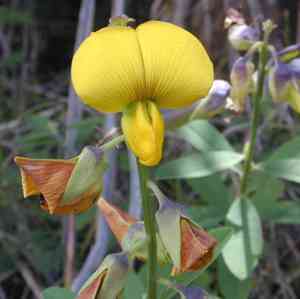
The ideal period to relocate french honeysuckle is during the peak of spring, characterized by moderate temperatures and steady humidity. Choose a site featuring soil that drains effectively and receives abundant sunlight. If appropriate, incorporate organic matter to enhance soil health. Strive to minimize disruption to the root system to foster vigorous development.
What Preparations are Needed Before Transplanting French Honeysuckle?
What is the Ideal Time for Transplanting French Honeysuckle?
Move your french honeysuckle during the mild warmth of late spring. This period's consistent temperatures and gentle weather patterns encourage strong root development, crucial for perennial vitality. Choosing this time for french honeysuckle ensures a smooth transition, allowing the plant to fully benefit from the upcoming growing season. A friendly reminder: this strategic timing during such a supportive window significantly boosts french honeysuckle's chances for successful blooming and flourishing, setting the stage for a vibrant display!
How Much Space Should You Leave Between French Honeysuckle Plants?
Let's begin by finding a spacious location for our french honeysuckle! Aim to provide each plant with approximately 18-24 inches (45-60 cm) of clearance from its neighbors. This enables your french honeysuckle to thrive and absorb all necessary nutrients without excessive competition from nearby plants.
What is the Best Soil Mix for French Honeysuckle Transplanting?
Next, prepare a comfortable bed for french honeysuckle using well-draining soil. Incorporate some organic compost as a foundational fertilizer to welcome your plant with essential nutrients. This 'meal' will help french honeysuckle settle into its new home happily!
Where Should You Relocate Your French Honeysuckle?
For a thriving french honeysuckle, select a sunny spot in your garden that receives full sunlight for most of the day. French honeysuckle loves soaking up the rays, so a location with at least 6 hours of direct sun will make it radiate with joy!
What Equipments Should You Prepare Before Transplantation French Honeysuckle?
Gardening Gloves
To safeguard your hands while handling soil and plants.
Shovel or Spade
For excavating the french honeysuckle and preparing the new planting site.
Garden Fork
To loosen the soil around the plant's root system if required.
Watering Can or Hose
To irrigate the french honeysuckle following transplantation.
Wheelbarrow or Garden Cart
To transport the french honeysuckle from its original spot to the new location.
Pruning Shears
To trim any damaged roots or foliage prior to transplanting.
Organic Mulch
To help maintain soil moisture and regulate soil temperature around the new planting area.
How Do You Remove French Honeysuckle from the Soil?
How Do You Remove French Honeysuckle from the Soil?
From Ground: First, hydrate the french honeysuckle plant to moisten the soil, making it easier to manage. Then, using a shovel or spade, dig a wide circle around the plant, taking care not to harm the root ball. Pry the spade underneath and gently lift the french honeysuckle, aiming to keep as much of the root system intact as possible.From Pot: Turn the container sideways and gently tap the base to dislodge the french honeysuckle. If needed, use a garden fork to carefully separate the roots from the pot. Ease the plant out, supporting the root ball to prevent it from crumbling.From Seedling Tray: Water the tray to dampen the roots and soil, facilitating the removal of the french honeysuckle. Gently push the french honeysuckle from below the tray or use a tool to carefully lift it, ensuring minimal root disturbance.
Step-by-Step Guide for Transplanting French Honeysuckle
Preparation
Ensure all necessary tools and equipment for transplanting the french honeysuckle are at hand. Wear gardening gloves to protect your hands during the process.
Removal
Extract the french honeysuckle from its current position by following the appropriate removal method for ground, pot, or seedling tray.
Prepare New Location
Dig a hole in the ground that is twice the width of the root ball and as deep as its height. Loosen the soil at the bottom of the hole with a garden fork.
Placing french honeysuckle
Carefully position the french honeysuckle in the center of the hole, ensuring the top of the root ball is level with the surrounding soil surface.
Backfilling
Gently refill the hole with soil, firming it around the root ball to eliminate air pockets. Do not plant the french honeysuckle deeper than it was previously.
Watering
Water the french honeysuckle thoroughly to settle the soil and provide moisture to the roots. Use a watering can or hose to apply water directly to the root zone.
Mulching
Apply a layer of organic mulch around the base of the french honeysuckle, being careful not to pile it directly against the stems or leaves.
Support
If the french honeysuckle is tall or susceptible to wind damage, insert a stake into the ground and gently tie the plant to it for support.
How Do You Care For French Honeysuckle After Transplanting?
Monitoring
Observe the french honeysuckle for indications of transplant shock, such as wilting or yellowing leaves, and address any issues promptly.
Settling
Allow the french honeysuckle some time to acclimate to its new location without excessive disturbance, to reduce stress and encourage root growth.
Follow-Up Watering
Continue to water the french honeysuckle regularly, keeping the soil moist but not saturated to support root establishment.
Protection
Shield the french honeysuckle from extreme weather, pests, and diseases by providing suitable covers or treatments if necessary.
Staking
Re-adjust any support stakes or ties as the french honeysuckle grows to ensure it remains stable and to prevent damage.
Monitoring Growth
Track the french honeysuckle's development over the subsequent months, and continue to provide care as it establishes itself in its new location.
Troubleshooting Common Issues with French Honeysuckle Transplantation.
Why is my french honeysuckle not thriving after transplant?
Ensure it's moved during the prime growth period of mid to late spring. Verify proper soil conditions and watering schedule; both excessive and insufficient watering can cause stress.
What is the best spacing for french honeysuckle when transplanting?
Give french honeysuckle ample room to flourish by spacing them 18-24 inches (45-60 cm) apart. Adequate space prevents competition for nutrients and sunlight.
How deep should I dig the hole for french honeysuckle transplanting?
Excavate a hole that's twice the size of the root ball but not deeper. This allows roots to spread without being constricted.
What type of soil is ideal for transplanting french honeysuckle?
Utilize well-draining soil rich in organic matter to provide french honeysuckle with a strong foundation for healthy growth.
How much should I water french honeysuckle after transplanting?
Water generously immediately after transplanting, then regularly to keep soil moist but not waterlogged, promoting steady root establishment.
Can french honeysuckle be transplanted in full sun?
Absolutely! French honeysuckle thrives in full sun. Ensure the transplant spot receives abundant sunlight for vigorous growth.
When should I fertilize french honeysuckle after transplanting?
Wait 4-6 weeks post-transplant before fertilizing to avoid burning new roots. Then, feed lightly to encourage growth.
How do I choose a transplant spot for french honeysuckle?
Select a sunny location with well-draining soil. Avoid low areas where water collects to prevent root rot.
Should I prune french honeysuckle when transplanting?
Minimal pruning is advised. Trim damaged or overly long roots, and cut back a third of top growth to reduce transplant shock.
What are the signs of transplant shock in french honeysuckle?
Wilting, yellowing, or dropped leaves can indicate transplant shock. Maintain consistent care, and french honeysuckle is likely to recover.



