How to Transplant Algerian ivy?
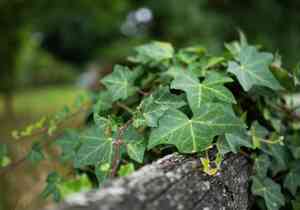
The ideal period for relocating algerian ivy is at the onset of nature's renewal, providing moderate temperatures and prime development circumstances. Select a location with dappled sunlight and fertile earth. To guarantee a successful beginning, confirm the root mass stays undisturbed throughout the procedure.
What Preparations are Needed Before Transplanting Algerian Ivy?
What is the Ideal Time for Transplanting Algerian Ivy?
The optimal period for relocating algerian ivy is during the spring months. As nature reawakens, your plant will flourish, developing strong roots prior to summer's heat. Moving algerian ivy now allows it to recover in mild weather, reducing transplant shock and encouraging robust growth. Embrace this time of renewal, facilitating a smooth transition for your algerian ivy to thrive in its new spot.
How Much Space Should You Leave Between Algerian Ivy Plants?
Let's make algerian ivy feel comfortable! Remember to position algerian ivy at least 2 to 3 feet (approx. 60-90 cm) apart. This will provide ample room for algerian ivy to expand and spread. Keep checking your measurements!
What is the Best Soil Mix for Algerian Ivy Transplanting?
For algerian ivy to prosper, prepare soil that drains effectively. A blend of one part peat moss, one part garden soil, and one part perlite should work excellently. Don't forget to incorporate a slow-release, balanced fertilizer during preparation! Just adhere to the package directions.
Where Should You Relocate Your Algerian Ivy?
Regarding where to plant algerian ivy, select a spot that receives partial to full shade. Excessive direct sunlight might scorch its leaves. However, don't worry, algerian ivy is quite resilient and will manage even in less-than-perfect conditions.
What Equipments Should You Prepare Before Transplantation Algerian Ivy?
Gardening Gloves
To protect your hands throughout the entire transplanting operation.
Spade or Shovel
This will be utilized to excavate around the plant in its original location for removal, and also to dig a new hole at the transplant site.
Gardening Trowel
This implement would be useful for removal from a smaller container or seedling tray.
Wheelbarrow or Plant Trolley
Helpful for moving the plant without causing damage, especially if it is large.
Garden Hose or Watering Can
To hydrate the plant before and after its relocation.
Pruning Shears
To trim away any damaged roots or foliage.
How Do You Remove Algerian Ivy from the Soil?
How Do You Remove Algerian Ivy from the Soil?
From Ground: Initially, water the algerian ivy plant to moisten the soil. Afterward, dig a wide trench around the plant using a spade or shovel, ensuring the plant's root ball remains intact. Proceed to carefully work the spade beneath the root ball to lift the plant out.From Pot: Begin by gently watering the algerian ivy plant, then tilt the pot sideways while supporting the plant. If it doesn't slide out, tap lightly around the pot's sides and bottom. Use a trowel to assist in easing out the root ball if it's still resistant.From Seedling Tray: Water the tray thoroughly then carefully extract the algerian ivy sapling by applying upward pressure at the stem's base. Use a, preferably, plastic spoon or similar tool to detach any stubborn roots to prevent harm.
Step-by-Step Guide for Transplanting Algerian Ivy
Site Preparation
Prepare the new transplanting location by digging a hole that is twice as wide and the same depth as the current root ball of the algerian ivy.
Placement
Once the hole is ready, position the algerian ivy in the center of the hole. The root ball should be level with the surface, not sitting too low or too high in the hole.
Backfilling
Refill the hole with the excavated soil and gently firm it around the base of the algerian ivy plant. Avoid applying strong pressure as it might harm the roots or hinder their expansion.
Watering
Water the plant thoroughly after transplanting. Ensure the water penetrates deeply to reach the root zone.
How Do You Care For Algerian Ivy After Transplanting?
Pruning
Remove any damaged or diseased branches a week after transplantation to encourage new growth.
Monitoring
Keep a close watch for any signs of stress such as wilting or yellowing leaves, and address the issue promptly.
Nourishing
After approximately one month, enrich the soil with a slow-release general-purpose fertilizer to support healthy development.
Mulching
Applying organic mulch around the base of algerian ivy can help retain moisture and stabilize temperature fluctuations.
Troubleshooting Common Issues with Algerian Ivy Transplantation.
When is the best time to transplant my algerian ivy?
Your algerian ivy would benefit from a change of location during early spring-early summer (S1-S3). This provides ample time for root establishment before colder weather arrives.
How much space should I keep between my algerian ivy plants when transplanting?
Optimal spacing for algerian ivy is 2-3 feet (0.6-0.9 meters). This allows each plant sufficient room to grow and reduces competition for resources.
What type of soil does algerian ivy prefer for transplantation?
Algerian ivys are quite adaptable and can thrive in various soils, but they favor well-drained soil with a moderate amount of organic material.
How deep should I plant algerian ivy during transplantation?
Ensure to plant the algerian ivy at the same depth it was previously growing. Cover the root system well but avoid burying the stem or leaves.
Do I need to prune algerian ivy before transplanting?
Yes, performing some light pruning by removing dead or diseased leaves can enhance the health of algerian ivy and assist in a successful transplantation.
How often should I water algerian ivy post-transplant?
Water algerian ivy generously immediately after transplant. Afterward, ensure consistent watering but prevent waterlogging. The frequency will depend on the season and climate.
Should algerian ivy be fertilized after transplanting?
Yes, providing algerian ivy with a balanced fertilizer a few weeks post-transplant can help it establish and grow vigorously. Follow the manufacturer's instructions for optimal results.
Is there a specific pot size I should use when transplanting algerian ivy indoors?
Select a pot that is slightly larger than the root ball of your algerian ivy. This provides room for growth but prevents waterlogging which can occur in excessively large pots.
Is it necessary to mulch around my algerian ivy post-transplant?
Mulching is optional but advantageous. It helps retain soil moisture, suppress weeds, and maintain soil temperature around your algerian ivy. Stop mulch about an inch (2.5 cm) from the stem to prevent rot.
Why are the leaves of my transplanted algerian ivy turning yellow?
Yellowing leaves can indicate water stress, either too much or too little, or an imbalance in nutrition. Check the watering routine and soil condition and make necessary adjustments.



