How to Transplant Haworthia viscosa?
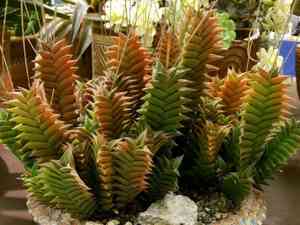
For haworthia viscosa, the ideal period for repotting is during the peak of spring, as the moderate temperatures foster root growth. Select a luminous location with diffused illumination, and supply a porous growing medium to facilitate a smooth adjustment.
What Preparations are Needed Before Transplanting Haworthia Viscosa?
What is the Ideal Time for Transplanting Haworthia Viscosa?
The optimal period for relocating your haworthia viscosa is the revitalizing phase from mid to late spring. This season, abundant with development, offers perfect conditions for haworthia viscosa to establish new root systems and recover from the move. Transplanting during this opportune window ensures your haworthia viscosa benefits from extended daylight and mild weather, promoting vigorous growth and adaptation. Gently moving your haworthia viscosa in this thriving period allows them to flourish, with nature's cycle of renewal aiding their progress.
How Much Space Should You Leave Between Haworthia Viscosa Plants?
When moving your haworthia viscosa, aim to position them approximately 6-8 inches (15-20 cm) apart. This provides each plant ample room to thrive without congestion, enabling them to grow robustly and healthily!
What is the Best Soil Mix for Haworthia Viscosa Transplanting?
For your haworthia viscosa, combine a well-draining substrate, such as a cactus blend, with some perlite for enhanced drainage. Prior to planting, enrich the soil with a balanced, slow-release fertilizer to give your haworthia viscosa an excellent start!
Where Should You Relocate Your Haworthia Viscosa?
Select a luminous spot for your haworthia viscosa that receives ample indirect sunlight. Direct, intense sun can be detrimental to them, so a location with filtered light, like behind a sheer curtain, is perfect for these perennials.
What Equipments Should You Prepare Before Transplantation Haworthia Viscosa?
Gardening Gloves
To safeguard your hands while handling soil and plants.
Trowel
For excavating holes and moving earth.
Watering Can or Hose
To hydrate the plant before and after relocation.
Spade or Shovel
For digging up the plant if it's being moved from the ground.
Sharp Knife or Pruners
To trim any damaged roots if necessary.
Wheelbarrow or Plant Caddy
To transport the plant and soil.
Measuring Tape
To determine the correct distance for the new plant placement.
How Do You Remove Haworthia Viscosa from the Soil?
How Do You Remove Haworthia Viscosa from the Soil?
From Ground: First, moisten the haworthia viscosa plant to soften the soil. Then, excavate a wide trench around the plant using a shovel or spade, ensuring the plant's root ball remains intact. Carefully work the spade beneath the root ball to lift the plant from its original spot.From Pot: Begin by hydrating the haworthia viscosa to facilitate the transfer. Tilt the container sideways and tap the bottom or gently press the sides to loosen the plant. Extract the plant by its base, taking care not to forcefully pull on the leaves or stems.From Seedling Tray: Water the seedling tray to dampen the soil and simplify removal. Use a trowel or your fingers to gently lift the haworthia viscosa seedling by its leaves, not the stem, to prevent harm. Be careful to preserve as much of the root system as possible.
Step-by-Step Guide for Transplanting Haworthia Viscosa
Dig Hole
Prepare an excavation in the ground that is slightly larger than the haworthia viscosa's root ball.
Inspect Roots
Before transplanting, examine the haworthia viscosa's roots. Trim any broken or dead roots with clean cutting tools.
Position Plant
Place the haworthia viscosa in the hole at the same depth it was previously growing. The plant's crown should be level with the surrounding earth.
Backfill Soil
Gently refill the hole with soil around the haworthia viscosa's roots, eliminating any air pockets by lightly pressing the soil.
Water Thoroughly
After transplanting, generously water the haworthia viscosa to settle the soil and provide moisture for the roots.
Mulch
Apply a layer of organic material around the base of the haworthia viscosa to help retain moisture and reduce weed competition.
How Do You Care For Haworthia Viscosa After Transplanting?
Monitoring
Regularly observe the haworthia viscosa for indications of stress such as wilting or discolored foliage, and adjust care as needed.
Root Establishment
Promote root development by keeping the soil around haworthia viscosa consistently moist for several weeks following transplantation.
Protection
Shield the haworthia viscosa from harsh conditions, like intense sun or strong gusts, until it shows signs of new growth and has had time to settle.
Support
If necessary, provide a stake or other aid to keep the haworthia viscosa upright and stable as it adapts to its new environment.
Troubleshooting Common Issues with Haworthia Viscosa Transplantation.
How do you transplant haworthia viscosa successfully?
Begin by carefully extracting haworthia viscosa from its current container. Ensure you have a well-draining soil mixture in the new pot, with plants spaced 6-8 inches (15-20 cm) apart. Water thoroughly after the move.
What's the best time to transplant haworthia viscosa?
Ideally, transplant haworthia viscosa during mid to late spring when they have exited dormancy and can establish roots well before summer's heat.
Can I transplant haworthia viscosa during other seasons?
While mid-spring to late spring is optimal, you can transplant haworthia viscosa at other times if you provide extra protection against temperature extremes and ensure proper soil moisture.
Why are my haworthia viscosa leaves turning yellow after transplant?
Yellowing foliage post-transplant may indicate root shock or excessive watering. Allow the soil to dry out before re-watering and ensure the pot has adequate drainage.
How much space does haworthia viscosa need when transplanting?
When transplanting, position your haworthia viscosa approximately 6-8 inches (15-20 cm) apart. This provides them room to grow and receive sufficient sunlight without overcrowding.
How deep should I plant haworthia viscosa during transplanting?
Plant haworthia viscosa so that its roots are comfortably spread in the soil, covered with earth just up to the base of the leaves, without burying them too deeply.
What should I do if haworthia viscosa isn't growing after being transplanted?
Be patient, as haworthia viscosa may experience transplant shock. Ensure correct light conditions and watering schedule. Growth may take some time to become apparent.
How often should I water haworthia viscosa after transplanting?
Water haworthia viscosa when the top inch (2.5 cm) of the soil feels dry. Overwatering can lead to root rot, so it's crucial to let the soil dry out between waterings.
What type of soil is best for transplanting haworthia viscosa?
Utilize a well-draining cactus or succulent mix. These soils prevent water retention that could harm haworthia viscosa's roots.
Should I use a new pot when transplanting haworthia viscosa?
It's advisable to transplant haworthia viscosa into a new or thoroughly cleaned container to minimize the risk of disease from old soil residues.



