How to Transplant Zebra plant?
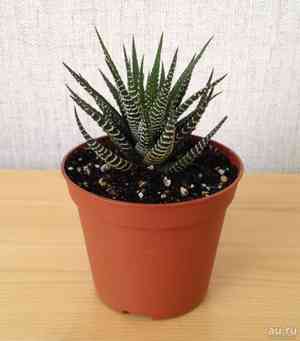
The ideal period for relocating zebra plant spans from the beginning of summer to the end of autumn, as this timeframe supports robust root establishment and vigorous development. Select a site featuring soil that drains effectively and receives filtered sunlight. Should it be required, improve drainage by incorporating sand or perlite. Enjoy your transplanting!
What Preparations are Needed Before Transplanting Zebra Plant?
What is the Ideal Time for Transplanting Zebra Plant?
Selecting a period from early summer to late fall is perfect for relocating zebra plant. This timeframe provides zebra plant with a suitable and consistent temperature range, promoting robust development. Moving zebra plant during this interval not only ensures better adaptation but also stimulates enhanced health and vibrancy. Furthermore, it allows zebra plant ample time to strengthen itself before winter. Isn't it wonderful to have a thriving zebra plant this way? So, let's get ready for this exciting gardening endeavor!
How Much Space Should You Leave Between Zebra Plant Plants?
When relocating zebra plant, ensure each plant has sufficient room to expand. A separation of approximately 5-7 inches (12.5-17.5 cm) would be optimal.
What is the Best Soil Mix for Zebra Plant Transplanting?
For zebra plant, it's crucial to utilize well-draining soil, such as an equal blend of cactus or succulent soil and perlite. A slow-release fertilizer rich in potassium and phosphorus is also an excellent addition for peak growth.
Where Should You Relocate Your Zebra Plant?
Relocating zebra plant requires a spot with bright, indirect illumination. Be sure to select a location that receives ample light, but avoid direct sun exposure which may cause the leaves to scorch or lose their color.
What Equipments Should You Prepare Before Transplantation Zebra Plant?
Gardening Gloves
To safeguard your hands while handling the soil and plant.
Trowel or Shovel
To excavate holes and lift the plant from its initial position.
Watering Can
To hydrate the zebra plant plant before and after relocation.
Container or Burlap
To move the plant while keeping its roots intact and moist.
Garden Pruner
To trim any damaged or dead leaves and roots prior to transplanting.
Organic Compost or Fertilizer
To supply vital nutrients for the zebra plant plant following transplantation.
How Do You Remove Zebra Plant from the Soil?
How Do You Remove Zebra Plant from the Soil?
From Ground: First, water the zebra plant plant to moisten the soil. Then, dig a wide trench around the plant using a shovel or spade, ensuring the plant's root ball remains undisturbed. Carefully work the spade beneath the root ball to lift the plant from its original spot.From Pot: Water the zebra plant plant and then gently tilt the pot on its side, tapping the container to loosen the soil and root ball. Hold the plant by its base while carefully sliding the root ball out of the pot.From Seedling Tray: Water the seedlings and use a trowel or spoon to gently lift the zebra plant seedlings out of the tray, taking care not to harm the delicate roots.
Step-by-Step Guide for Transplanting Zebra Plant
Preparation
Prepare the new planting site by digging a hole twice the width and as deep as the root ball of the zebra plant plant. Incorporate organic compost or slow-release fertilizer into the excavated soil.
Transportation
Carefully lift the zebra plant plant with the aid of a shovel, preserving the root ball, and place it in a container or wrap it in burlap to transport it to the new planting location.
Trimming
Inspect the zebra plant plant's roots and foliage, and use garden pruners to remove any damaged or dead roots and leaves.
Placement
Gently lower the zebra plant plant into the planting hole, ensuring that the top of the root ball is level with the ground. If necessary, adjust the depth by adding or removing soil from the hole.
Backfill
Fill in the planting hole with the amended soil, firmly pressing it down around the root ball to eliminate any air pockets.
Watering
Once the zebra plant plant is in its new home, water it thoroughly to help the soil settle and establish root-to-soil contact.
How Do You Care For Zebra Plant After Transplanting?
Watering
Keep the soil around the zebra plant consistently moist, but not waterlogged, for the initial few weeks after transplanting to aid in developing strong roots.
Protecting
Shield the newly transplanted zebra plant from strong gusts of wind and direct sunlight for a few days to prevent transplant shock.
Monitoring
Observe the zebra plant's growth and overall health to ensure it is adapting well to its new environment. If it displays signs of stress or wilting, adjust its care accordingly.
Fertilizing
After the zebra plant has settled, provide it with organic compost or fertilizer to assist in its growth and development.
Troubleshooting Common Issues with Zebra Plant Transplantation.
When is the optimal time to transplant zebra plant?
The best period to relocate zebra plant is between the start of summer and late autumn.
What's the suitable spacing for transplanting zebra plant?
The ideal spacing for zebra plant is approximately 5-7 inches (12.7-17.8 cm). This provides ample room for growth.
What soil should I use when transplanting zebra plant?
Utilize a well-draining soil mixture. Zebra plant prefers soil that retains some moisture, but not excessively wet.
What container should I use for planting zebra plant?
Select a container with sufficient drainage holes to prevent waterlogging and ensure healthy development of zebra plant.
Why are the leaves of my transplanted zebra plant turning yellow?
Yellow leaves might indicate excessive watering. Zebra plant prefers soil that is damp, but not saturated. Adjust your watering schedule accordingly.
How often should I water zebra plant after transplantation?
Water zebra plant sparingly after transplantation until roots establish. Overwatering can lead to root rot, so exercise caution.
What light conditions does zebra plant need after transplanting?
After transplanting, position zebra plant in indirect light. It thrives in bright, indirect light but direct sunlight can cause leaf burn.
Why does zebra plant look wilted after transplantation?
Transplant shock may cause zebra plant to droop. Maintain appropriate conditions, and it should recover over time.
How to ensure successful root growth in zebra plant after transplant?
Water sufficiently and place under proper light conditions. Also, use a pot with good drainage.
What to do if zebra plant doesn't show new growth after transplant?
Be patient, zebra plant can take some time to adjust after relocation. If there's no sign of growth after a few weeks, consult an expert.



