How to Transplant Firebush?
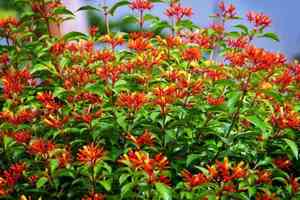
The ideal period for relocating firebush extends from the middle of spring through the end of summer, since elevated temperatures foster robust development. Select bright, adequately draining spots for this enduring plant. A helpful tip: Confirm appropriate distance and root separation during transplantation, if necessary. Enjoy your gardening!
What Preparations are Needed Before Transplanting Firebush?
What is the Ideal Time for Transplanting Firebush?
The best period for relocating firebush spans from mid-spring to late summer. This timeframe allows firebush to benefit from an extended growing season, enabling it to settle in and flourish before winter arrives. It's a crucial step that promotes robust development and vibrant blooms. Moving firebush during these months maximizes its chances of success, laying the groundwork for a prosperous future!
How Much Space Should You Leave Between Firebush Plants?
For firebush, it's vital to provide ample room for growth and flourishing. Aim for a spacing of approximately 2-3 feet (60-90 cm) between plants when transplanting, which offers sufficient space for their development and ensures good air circulation.
What is the Best Soil Mix for Firebush Transplanting?
To prepare the soil for firebush, select a well-draining mixture abundant in organic material. Incorporating compost or aged manure is an excellent choice. Blend in a slow-release, balanced fertilizer, such as a 10-10-10 granular formula, to give your plant a healthy start.
Where Should You Relocate Your Firebush?
When planting firebush, be sure to choose a sunny location as they thrive in full sun exposure. If possible, select a spot that receives at least 6 hours of direct sunlight daily. This will ensure vigorous growth and brilliant blooms throughout the season.
What Equipments Should You Prepare Before Transplantation Firebush?
Gardening Gloves
To safeguard your hands while handling the plant and its root system.
Garden Trowel
Ideal for excavating small holes when removing from a pot or seedling tray and highly effective for creating an initial planting spot in the ground.
Spade/Shovel
Essential for extracting plants from the ground and digging the transplant hole.
Watering Can/Hose
Necessary for hydrating the firebush plant both prior to and following transplantation.
Wheelbarrow
Useful for transport if the plant is large or you are relocating multiple plants.
Mulch
This will help protect the plant immediately after transplanting and aid in retaining soil moisture around it.
How Do You Remove Firebush from the Soil?
How Do You Remove Firebush from the Soil?
From Ground: First, thoroughly water the firebush plant to hydrate it and facilitate soil removal. Then, use your shovel to dig a generous root ball, ensuring you've allowed ample space to encompass the majority of the plant's roots. Pry the shovel beneath the root ball, then lift carefully. Avoid tugging the plant as it may harm the roots.From a Pot: Water the plant to ease its extraction, then tilt it sideways and gently squeeze or tap the pot to loosen the root ball. Carefully slide the plant out, taking care not to damage the plant or its roots.From a Seedling Tray: Water the seedlings and then gently remove them by applying slight pressure to the bottom of the tray beneath the individual plant to pop it out. Itâs advisable to handle seedlings by their leaves rather than their stems as this causes less damage to the plant.
Step-by-Step Guide for Transplanting Firebush
Preparation
Clear the area where youâre about to relocate the firebush. Ensure it's free from other vegetation and remove any debris or stones larger than a pea.
Hole
Dig a hole that's approximately twice as wide and just as deep as the plantâs root ball using a spade or garden trowel.
Placement
Position the firebush plant in the hole, making sure it isn't planted any deeper than it was in its original container. The top of the root ball must be level with or slightly above the ground surface.
Backfill
Carefully refill the hole, firming the soil as you proceed to eliminate any air pockets. Be sure to create a slight depression around the plant for water collection.
Watering
Slowly water-in the plant at its base after transplanting; this helps settle the soil around the roots.
How Do You Care For Firebush After Transplanting?
Irrigation
During the establishment period, which typically lasts 2 to 4 weeks depending on the season, ensure regular watering of the firebush to keep the root zone moist but not waterlogged. Gradually decrease watering as the plant becomes established.
Protection
Consider safeguarding your firebush plant from harsh weather conditions and potential pests or diseases. You can utilize a protective covering during extreme temperatures and an organic pesticide for pest control.
Monitoring
Keep a close watch on your firebush, especially during the initial few weeks. Look for any indicators of stress, such as wilting leaves or discoloration, and take appropriate action if necessary.
Pruning
The firebush does not demand extensive pruning, but if it becomes leggy, some light shaping can encourage a bushier form.
Troubleshooting Common Issues with Firebush Transplantation.
When's the best time of year to transplant firebush?
Transplant firebush ideally from mid-spring to late summer. This is the prime period for this perennial plant to adapt and develop new roots.
What's the optimal spacing for transplanting firebush?
For healthy growth, maintain a distance of 2-3 feet (60 - 90 cm) between each firebush. This guarantees adequate space for every plant.
How deep should I dig the hole for transplanting firebush?
A hole that is twice as wide and of the same depth as the root ball should be excavated. This aids in proper root expansion.
Is it necessary to water firebush immediately after transplanting?
Absolutely! Providing ample irrigation after transplanting will reduce stress on firebush and assist in its establishment.
How much sun exposure does firebush need after transplanting?
Firebush thrives in full sun to partial shade. Ensure the transplant site receives at least 6 hours of sunlight daily for optimal growth.
Is there a specific type of soil needed for firebush transplantation?
Firebush prefers well-drained soil rich in organic matter. It can tolerate various soil types, from acidic to slightly alkaline.
My firebush doesn't seem to grow after transplanting. What went wrong?
Possible reasons could include insufficient watering, inadequate sunlight, or poor soil quality. Ensure firebush receives its necessary requirements post-transplantation.
Can firebush be transplanted in a pot?
Certainly! Ensure the pot is sufficiently large for firebush to grow and has proper drainage to prevent waterlogging.
How frequently should firebush be watered after transplanting?
Water firebush at least once a week after transplanting. If the weather is particularly hot or dry, water more often.
Do I need to fertilize firebush after transplanting?
A slow-release fertilizer can be applied after transplanting. It is not compulsory but it aids in boosting the growth and health of firebush.



