How to Transplant Baby's breath?
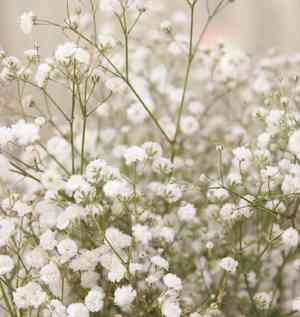
To achieve the best development, relocate baby's breath between mid-spring and mid-summer, when temperatures are ideal. Select a bright spot with soil that drains effectively, and provide a light watering after the move, if necessary. Observe baby's breath thrive under your attentive care!
What Preparations are Needed Before Transplanting Baby's Breath?
What is the Ideal Time for Transplanting Baby's Breath?
Moving baby's breath between the warmth of mid-spring and the mildness of mid-summer is perfect, as this period offers prime conditions for growth. Transplanting baby's breath during this window promotes vigorous growth, abundant flowering, and resilience. It's a beneficial choice that sets up baby's breath for a strong life!
How Much Space Should You Leave Between Baby's Breath Plants?
For baby's breath plants, it's best to allow a distance of about 6-12 inches (15-30 cm) between each specimen. This provides ample room for development and ensures they receive sufficient nutrients from the soil.
What is the Best Soil Mix for Baby's Breath Transplanting?
Baby's breath plants flourish in well-drained, slightly alkaline soil with a pH of 6.5-7.2. Before transplanting, incorporate a slow-release granular fertilizer or aged compost to give your plants a nutrient-rich start in their new location.
Where Should You Relocate Your Baby's Breath?
Be sure to transplant your baby's breath plants in a sunny spot, as they require at least 6 hours of sunlight daily to grow robust and healthy. A location with partial afternoon shade can also be advantageous, especially in hotter climates.
What Equipments Should You Prepare Before Transplantation Baby's Breath?
Gardening Gloves
To ensure protection and cleanliness while handling the soil and the plant.
Shovel or Spade
Used for excavating a hole in the ground and extracting the plant from its initial position.
Garden Trowel
Perfect for working in smaller areas and relocating smaller plants.
Watering Can or Hose
Required for hydrating the plant before and after the relocation.
Organic Compost
A nutrient-rich material that will enhance the health of the baby's breath plant.
Mulch
Helps to maintain soil moisture after moving the plant.
How Do You Remove Baby's Breath from the Soil?
How Do You Remove Baby's Breath from the Soil?
From Ground: First, water the baby's breath plant to soften the surrounding soil. Using a spade, dig around the plant, ensuring a wide enough radius to avoid damaging the root system. Gradually work your spade or shovel beneath the plant, aiming to keep as much of the root ball intact as possible.From Pot: To extract the baby's breath plant from a pot, first water it thoroughly to loosen the roots. Then tilt the pot sideways, hold the baby's breath plant with one hand, and use the other to gently tap the pot's rim until the plant and its root ball slide out.From Seedling Tray: If the baby's breath plant is from a seedling tray, hold the base of the seedling and carefully pull it out. Ensure all roots are undamaged and intact.
Step-by-Step Guide for Transplanting Baby's Breath
Digging
Use a spade or shovel to excavate a hole in your chosen spot. The hole should be twice as wide and slightly deeper than the root ball of your baby's breath plant.
Placing the Plant
Position the baby's breath plant in the hole, ensuring it stands upright. Take care to make sure the top of the root ball is level with or slightly above the surrounding soil.
Backfilling
With your hands or a small shovel, refill the hole with soil, ensuring no air pockets remain, which can cause roots to dry out.
Applying Compost
Spread organic compost around the plant. Compost adds necessary nutrients to the soil and provides essential support for growth.
Watering
Water the baby's breath plant generously to settle the soil around the plant.
Mulching
Finally, cover the soil around your baby's breath plant with mulch. This helps the soil retain moisture and prevents weed growth.
How Do You Care For Baby's Breath After Transplanting?
Watering
After the transplant, ensure the soil remains moist, but avoid overwatering. This will provide hydration to the roots and help them establish in the new location.
Mulching
Mulching should be maintained to keep the soil cool and prevent weed growth. Add more mulch as it decomposes or gets displaced.
Pruning
Once the baby's breath plant has settled, regular pruning is crucial to ensure its healthy growth. Remove dead or overcrowded branches to allow the plant to receive more air and sunlight.
Observation
Monitor your baby's breath plant for a few weeks after transplanting. Look for signs of diseases like yellowing leaves or stunted growth. If observed, take appropriate action immediately.
Troubleshooting Common Issues with Baby's Breath Transplantation.
When is the optimal time to transplant baby's breath?
The best time to transplant baby's breath is from mid-spring to mid-summer. This offers ideal growing conditions for your plant.
What should I consider regarding spacing when transplanting baby's breath?
It's important to ensure each baby's breath is 6-12 inches (15-30 cm) apart. This allows ample room for growth and ensures healthy development.
How should I prepare the hole for transplanting baby's breath?
The hole should be about twice the size of the baby's breath's root ball to ensure it fits comfortably and has space to establish.
Should I water baby's breath immediately after transplanting?
Yes, you should. Watering baby's breath immediately after transplanting helps to settle the soil and provides hydration to the plant as it adapts to a new environment.
What type of soil should I use when transplanting baby's breath?
Baby's breath prefers well-drained, light, and slightly acidic soil. Adding compost or organic matter to the soil can also improve its condition.
What happens if my transplanted baby's breath wilts?
Wilting can often be a stress response to transplantation. Maintain consistent watering without overwatering, and your baby's breath should recover in a few days.
Why are the leaves of my transplanted baby's breath turning yellow?
Yellow leaves could indicate overwatering or poor drainage. Ensure the soil is well-drained and you're not watering baby's breath too much.
How deep should I plant the baby's breath?
Baby's breath should be planted at the same depth it was in its original pot. Planting too deep could negatively affect its development and overall health.
What should I do if the baby's breath shows slow or stunted growth?
Slow or stunted growth could be due to insufficient light, poor soil quality, or spacing issues. Consider addressing these aspects for healthier baby's breath growth.
How can I prevent disease occurrence in transplanted baby's breath?
Avoiding overwatering, ensuring proper spacing, and regular inspection for signs of disease can help prevent illness in your transplanted baby's breath. Healthy plant care is key!



