How to Transplant Moon cactus?
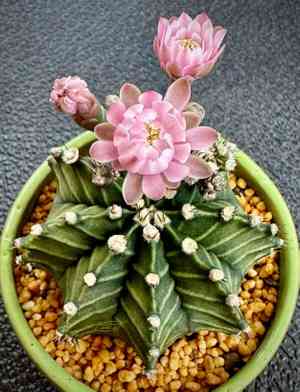
Relocate moon cactus optimally from mid-spring through early summer, a period when the plant exhibits robust development. Select a site with good drainage and abundant sunlight for a successful transfer. Think about employing a soil blend formulated for cacti to encourage appropriate root establishment and expansion.
What Preparations are Needed Before Transplanting Moon Cactus?
What is the Ideal Time for Transplanting Moon Cactus?
The period from mid-spring to early summer, often called the 'Goldilocks' season, is perfect for relocating moon cactus – the climate is neither too hot nor too cold. Moving moon cactus during this time provides ample warmth for root development before autumn's chill. Strong root establishment leads to a healthier, robust moon cactus, less susceptible to disease and stress. Trust us! This is the moment to give your moon cactus a fresh start.
How Much Space Should You Leave Between Moon Cactus Plants?
When transplanting your moon cactus, ensure a spacing of 4-6 inches (10-15 cm) between each plant. This will provide them with sufficient room to grow and flourish in their new environment!
What is the Best Soil Mix for Moon Cactus Transplanting?
When preparing your moon cactus for relocation, use a well-draining and gritty soil blend like cactus mix or a 50:50 combination of potting soil and coarse sand. Incorporate some slow-release, balanced fertilizer to give your plants an excellent beginning!
Where Should You Relocate Your Moon Cactus?
To ensure your moon cactus receives adequate sunlight, select a location with bright, indirect light or a spot that gets filtered morning sun and afternoon shade. Avoid intense midday sun to protect their vibrant colors!
What Equipments Should You Prepare Before Transplantation Moon Cactus?
Gardening Gloves
To shield your hands from spines and rough soil when handling moon cactus.
Shovel or Trowel
To excavate a hole in the new spot and to extract the moon cactus from its original container.
Potting Soil
To fill in around the new plant in its new location. Moon cactus prefers well-drained, cactus or succulent mix.
Gardening Pruner
To trim any unhealthy roots prior to transplanting.
Watering Can
To hydrate the moon cactus after it has been transplanted.
How Do You Remove Moon Cactus from the Soil?
How Do You Remove Moon Cactus from the Soil?
From Pot: First, lightly water the moon cactus to facilitate its removal. Then gently squeeze the pot's sides to loosen the soil and roots. Carefully extract moon cactus from the pot while supporting its base. Try to retain as much of the original soil as possible, but trim away any unhealthy roots with sharp pruners.From Ground: moon cactus is not typically planted directly in the ground as they are susceptible to root rot in overly moist conditions. They are best suited for container cultivation.From Seedling Tray: Carefully remove the seedling by gently lifting from the stem, taking care not to harm the roots. Remove any excess potting mix.
Step-by-Step Guide for Transplanting Moon Cactus
Prep the New Location
Dig a hole that is wider and deeper than the root ball of your moon cactus. Fill the bottom of the hole with well-draining cactus soil or succulent mix.
Inserting the Plant
Place your moon cactus in the hole, ensuring the plant's base is level with the soil surface. Back-fill the hole with additional soil and gently press down to secure the plant.
Watering
Immediately after planting, water the moon cactus lightly. Make sure to keep the soil moist, but not waterlogged.
How Do You Care For Moon Cactus After Transplanting?
Watering
Moon cactus doesn't require much water. After transplanting, water sparingly and then allow the soil to completely dry out before re-watering.
Pruning
Moon cactus generally doesn't need pruning. If a section becomes diseased or damaged, remove it with clean gardening pruners to prevent the spread of damage.
Temperature
Moon cactus prefers a warmer climate. If temperatures fall below freezing, you'll need to bring your plant indoors or cover it to shield it from frost.
Repotting
Moon cactus grows slowly, so it doesn't need frequent repotting. When the plant becomes crowded or outgrows its container, it may be time to move it to a slightly larger pot.
Troubleshooting Common Issues with Moon Cactus Transplantation.
What's the best time of the year for repotting moon cactus?
Ideally, you should transplant moon cactus between mid-spring and the beginning of summer. This period allows the plant ample time to establish itself before colder temperatures arrive.
How much space should I leave between the moon cactus when transplanting?
You should aim for a distance of about 4 to 6 inches (approximately 10 to 15 cm) between each moon cactus. This spacing encourages healthy growth and prevents overcrowding.
What'll happen if the moon cactus is transplanted in a period outside the ideal time?
Transplanting moon cactus outside the recommended period could stress the plant and potentially hinder growth. However, if conditions remain warm and favorable, it might still survive.
How to choose a pot when transplanting moon cactus?
Opt for a pot slightly larger than the current one. Ensure it has good drainage to prevent waterlogging, which can lead to root rot in moon cactus.
What type of soil should I use when transplanting moon cactus?
Moon cactus thrives in porous soil that drains water quickly. Ideally, use a mixture of cactus soil and perlite, to prevent soggy conditions that can harm the plant.
How deep should I plant the moon cactus when transplanting?
Moon cactus should not be planted too deeply. Its root system is shallower than other plants. Aim to keep the stem's base at the same level it was in the original pot.
How soon should I water moon cactus after transplanting?
Wait for about a week before giving your newly transplanted moon cactus a drink. This allows the roots time to recover from any transplant shock and helps prevent root rot.
How can I tell if the transplanting process stressed my moon cactus out?
Signs of stress may include wilting, browning, or yellowing leaves. Remember, these symptoms can also be due to overwatering or temperature fluctuations, so carefully consider the conditions.
Why does my transplanted moon cactus look shriveled?
If your moon cactus is shriveled after transplanting, it could be due to insufficient watering or root damage during the process. Give it time to recover, ensuring it gets enough water without overdoing it.
Can I transplant a sick moon cactus?
Transplanting a sick moon cactus can stress it further and potentially kill it. Instead, identify and address the issue before considering a transplant.



