How to Transplant Broom snakeweed?
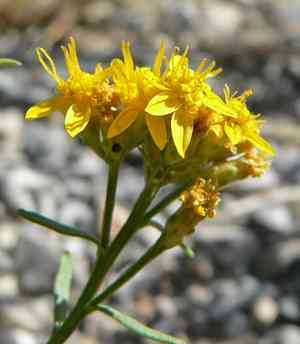
Choose early to mid-spring for relocating broom snakeweed, guaranteeing its thriving as the ground warms. Pick a bright, adequately drained location, and gradually introduce broom snakeweed to its new environment for peak development.
What Preparations are Needed Before Transplanting Broom Snakeweed?
What is the Ideal Time for Transplanting Broom Snakeweed?
The best time to move your broom snakeweed is during early to mid-spring. This timing allows roots to settle before summer heat, boosting growth potential.
How Much Space Should You Leave Between Broom Snakeweed Plants?
When arranging your garden, allow approximately 2-3 feet (about 0.6-0.9 meters) between each broom snakeweed plant. This provides ample room for unrestricted growth, maximizing its potential and preventing crowding.
What is the Best Soil Mix for Broom Snakeweed Transplanting?
Well-drained soil rich in organic matter is perfect for broom snakeweed. Incorporate a base fertilizer like compost or manure to further enrich the soil and ensure your plant receives all necessary nutrients.
Where Should You Relocate Your Broom Snakeweed?
Broom snakeweed thrives in full sun, so aim to transplant it to a spot that gets abundant sunlight throughout the day. This will help your plant develop strong roots and vibrant colors.
What Equipments Should You Prepare Before Transplantation Broom Snakeweed?
Gardening Gloves
Essential for protecting hands while handling soil, digging, and placing the broom snakeweed plant into its new location.
Hand Trowel
This tool will assist in digging a hole for the broom snakeweed. The hole should be at least twice the width and depth of the root ball to ensure sufficient space for growth.
Pruning Shears
Use these to carefully remove any damaged roots or parts of the plant.
Shovel or Spade
Crucial for digging holes when moving broom snakeweed from one ground location to another.
Watering Can
Transplanted broom snakeweed plants require consistent watering to ensure successful establishment.
Mulch
Beneficial for retaining soil moisture, maintaining soil temperature, and reducing weeds around your broom snakeweed plant.
How Do You Remove Broom Snakeweed from the Soil?
How Do You Remove Broom Snakeweed from the Soil?
From Ground: Use a shovel or spade to carefully dig around the broom snakeweed plant to expose its root ball. Dig wider than the root spread to avoid damaging the roots. Lift the plant with the root ball intact using the shovel.From Pot: Water the plant thoroughly before attempting to remove the broom snakeweed from its pot. Turn the pot sideways, place your hand over the top, and gently tap the pot's edge to loosen the plant. Avoid pulling the plant out, as this can cause root damage.From Seedling Tray: Using your fingers or a small trowel, gently loosen the soil around the base of each seedling. Carefully lift the broom snakeweed seedling by its leaves, not the stem, which is easily damaged. Be sure to preserve as much of the seedling's original soil and rootball as possible.
Step-by-Step Guide for Transplanting Broom Snakeweed
Preparing the Plant
Trim any damaged or diseased sections from your broom snakeweed plant using shears. This will direct the plant's energy towards root and foliage development after transplant.
Digging the Hole
Use your hand trowel or a shovel to excavate a hole. Ensure it is wide and deep enough to comfortably accommodate the broom snakeweed plant's root ball.
Placement in the Hole
Position your broom snakeweed plant in the hole, making sure it is at the same depth as it was in its previous spot.
Filling the Hole
Backfill the hole with soil, taking care not to bury the plant too deeply or leave the root ball too exposed.
Watering
Water the plant's base immediately after transplanting. Ensure the soil is thoroughly saturated and the water drains away.
Mulching
Spread a layer of mulch around the broom snakeweed plant to promote soil moisture retention and control weeds.
How Do You Care For Broom Snakeweed After Transplanting?
Watering
Water your broom snakeweed plant consistently, but prevent waterlogging. Moist soil encourages root growth and aids in quicker recovery post-transplantation.
Pruning
Minor pruning might be needed in the first year to maintain a bushy shape and encourage more vigorous growth, without focusing on significant flower production.
Weed Control
Regularly check for weeds around the broom snakeweed plant. Weeds can compete with your plant for soil nutrients, water, and space, so managing them is crucial.
Pest Control
Periodically inspect for pests and diseases and take appropriate action if any are found. The broom snakeweed plant may be more vulnerable to infections while adjusting to its new environment after transplant.
Mulching
Replenish mulch around the broom snakeweed plant as needed to maintain soil temperature, moisture, and minimize potential weed growth.
Troubleshooting Common Issues with Broom Snakeweed Transplantation.
When is the optimal time to transplant broom snakeweed?
The most suitable period to transplant broom snakeweed is between seasons S1-S2, typically when environmental conditions are moderate and favorable.
What is the ideal distance between broom snakeweed when transplanting?
Each broom snakeweed plant needs its own space to flourish. Maintain a gap of approximately 2-3 feet (60-90 cm) between each plant.
Is the transplanting process for broom snakeweed different from other plants?
Transplanting broom snakeweed follows general planting principles, but with specific considerations for broom snakeweed, including optimal transplanting season and spacing.
Why is my broom snakeweed showing signs of wilting post-transplant?
Immediate post-transplant wilting is common due to transplant shock; consider watering the broom snakeweed adequately and reducing direct sunlight to aid its recovery.
Can broom snakeweed flourish in any type of soil?
Broom snakeweed plant generally prefers well-drained soil; overly heavy or clayey soil might hinder growth. Amend the soil to meet broom snakeweed's requirements if necessary.
Why does the broom snakeweed seem to grow slowly?
Broom snakeweed might exhibit slow growth due to insufficient nutrients or less-than-ideal environmental conditions. Examine the soil, light, and water conditions.
What should I do if the leaves of broom snakeweed begin yellowing after transplanting?
Yellowing leaves may indicate over-watering or poor nutrient availability. Check the moisture level and add compost or fertilizer as needed.
How much sunlight does broom snakeweed need after transplanting?
Broom snakeweed typically enjoys full sunlight to partial shade. However, after transplantation, it may be wise to provide partial shade until the plant adapts.
What to do if the transplanted broom snakeweed is not flowering?
Lack of bloom in broom snakeweed could be due to insufficient nutrients, light, or it may naturally take a while post-transplantation. Patience is key.
How often do I water broom snakeweed post-transplant?
Initially, water broom snakeweed thoroughly after transplanting, then moderate watering is sufficient, depending on the weather. Overwatering can cause root rot.



