How to Transplant Western rattlesnake plantain?
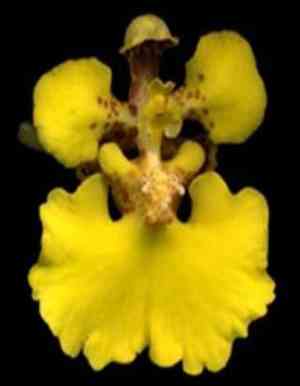
The optimal period for relocating western rattlesnake plantain spans from the onset of early spring until the threshold of summer's heat, facilitating vigorous development. Choose a shaded location with good drainage and amend the soil; a small amount of effort yields significant benefits.
What Preparations are Needed Before Transplanting Western Rattlesnake Plantain?
What is the Ideal Time for Transplanting Western Rattlesnake Plantain?
The perfect time to relocate western rattlesnake plantain is after winter's cold subsides but before summer's full heat, typically in mid-spring. Moving western rattlesnake plantain during this period ensures roots establish in cooler, moist soil, reducing shock. This timing aligns with natural growth cycles, allowing western rattlesnake plantain to settle in harmony with the season, promoting healthier development. A helpful tip: utilizing this timeframe leverages nature's rhythm, giving your western rattlesnake plantain the best start in its new spot.
How Much Space Should You Leave Between Western Rattlesnake Plantain Plants?
Hello, gardening enthusiast! Before introducing your new western rattlesnake plantain to their outdoor environment, you'll want to provide ample room for them to thrive. Position your western rattlesnake plantain approximately 6 to 12 inches apart (roughly 15 to 30 cm). This spacing will ensure they have sufficient room for root expansion and robust growth.
What is the Best Soil Mix for Western Rattlesnake Plantain Transplanting?
Prepare to get your hands dirty! Your western rattlesnake plantain will flourish in well-draining soil rich in organic matter. Prior to planting, incorporate some compost or a balanced, slow-release fertilizer to provide your western rattlesnake plantain with a nutrient-rich beginning. This nourishing blend will help them settle in comfortably!
Where Should You Relocate Your Western Rattlesnake Plantain?
Sunlight is beneficial, but your western rattlesnake plantain prefers some protection from the afternoon sun. Select a location that receives dappled sunlight or partial shade to keep them content. Avoiding intense midday rays will help your western rattlesnake plantain remain cool and free from stress!
What Equipments Should You Prepare Before Transplantation Western Rattlesnake Plantain?
Gardening Gloves
To safeguard your hands while handling soil and plants.
Trowel
For excavating small holes to extract or move seedlings without disturbing nearby soil.
Spade or Shovel
For digging up the plant from its original growing spot, including the root mass.
Watering Can or Hose with Sprayer
To hydrate the plant before and after relocation to alleviate plant stress.
Pruning Shears
To trim any dead or excess parts of the plant prior to transplanting.
Wheelbarrow or Garden Cart
To easily transport the western rattlesnake plantain and any necessary soil amendments.
Plant Carrier or Sling
To hold and move the plant's root ball, minimizing damage during relocation.
How Do You Remove Western Rattlesnake Plantain from the Soil?
How Do You Remove Western Rattlesnake Plantain from the Soil?
From Ground: First, gently moisten the area around the western rattlesnake plantain to make the soil easier to manage. Use a spade or shovel to dig a circle around the plant, about 12 inches from the stem to avoid cutting into the root system. Carefully work the tool beneath the root ball and lift the entire plant from the ground as a single unit.From Pot: Start by watering the soil in the pot to ensure smooth and stress-free removal for the western rattlesnake plantain. Turn the pot sideways, grasp the stem at its base, and gently tap the bottom to loosen the plant. Then, carefully slide the plant out, ensuring the root ball remains intact.From Seedling Tray: Water the seedlings thoroughly. Gently loosen the soil around the desired western rattlesnake plantain using a trowel or your fingers. Then, lift the seedling from the tray by holding its leaves, not the stem, to prevent damage.
Step-by-Step Guide for Transplanting Western Rattlesnake Plantain
Preparation
Determine the optimal time for transplanting, ideally when the plant is not actively growing, such as late summer to early fall. Prepare the new site by clearing weeds and ensuring loose, well-draining soil.
Transplant Hole
Excavate a hole in the chosen spot with your trowel or shovel. The hole should be twice as wide and as deep as the western rattlesnake plantain's root ball to allow ample room for root expansion.
Plant Positioning
Place the western rattlesnake plantain in the center of the hole, ensuring the top of the root ball is level with the surrounding soil surface to prevent water accumulation.
Filling the Hole
Gently backfill the hole with soil, lightly tamping down around the plant's base to eliminate air pockets and provide stability.
Watering
Thoroughly water the transplanted western rattlesnake plantain to settle the soil around the roots and help reduce transplant shock. This encourages root growth into the surrounding soil.
Mulching
Apply a layer of mulch around the base of the western rattlesnake plantain, keeping it away from the stem to suppress weeds and retain soil moisture.
How Do You Care For Western Rattlesnake Plantain After Transplanting?
Monitoring
Observe the western rattlesnake plantain closely for the initial few weeks, checking for indications of transplant shock, such as wilting or discolored leaves.
Watering
Water the western rattlesnake plantain as needed to maintain consistently moist soil, especially during dry periods. However, be careful not to overwater, as this can lead to root rot.
Pruning
Trim any damaged or dead foliage to help the western rattlesnake plantain direct its energy towards establishing new roots. Use clean pruning shears for this task.
Supporting
If the western rattlesnake plantain is large or the location is exposed to wind, consider staking or providing other supports to ensure it remains upright and secure as it establishes.
Fertilizing
Refrain from fertilizing immediately after transplanting to avoid root burn. Wait until the western rattlesnake plantain shows signs of new growth and has fully recovered from the transplant stress.
Troubleshooting Common Issues with Western Rattlesnake Plantain Transplantation.
Why is my western rattlesnake plantain not thriving post-transplant?
Ensure it's transplanted under optimal conditions from early to late spring and spaced 6 to 12 inches (15 to 30 cm) apart for proper growth.
What's the best spacing for western rattlesnake plantain when transplanting?
Ideal transplant spacing is a comfortable gap ranging from 6 to 12 inches (15 to 30 cm) to allow each plant room to flourish.
How do I know if western rattlesnake plantain is getting enough water after transplanting?
After transplant, western rattlesnake plantain should be kept consistently moist but not waterlogged. Check the top inch of soil; it should feel damp to the touch.
Is there a specific soil type preferred for transplanting western rattlesnake plantain?
Yes, western rattlesnake plantain thrives in well-draining, rich soil. Aim for a mix high in organic matter that retains moisture but allows excess water to escape.
Can western rattlesnake plantain handle full sunlight after being transplanted?
After transplanting, western rattlesnake plantain prefers dappled sunlight or partial shade. Too much direct sunlight can stress the plant.
How deep should I plant western rattlesnake plantain during transplantation?
When transplanting western rattlesnake plantain, plant it at the same depth it was growing at previously. Roots should be just below soil level, neither too deep nor too shallow.
When is it too late to transplant western rattlesnake plantain?
Transplant during the refreshing period of spring before the intense summer heat. Late spring is your deadline to avoid stress on western rattlesnake plantain.
What signs show western rattlesnake plantain is stressed after transplanting?
Wilting, yellowing, or dropping leaves can indicate stress. Ensure you are meeting western rattlesnake plantain's needs for water, light, and soil after moving it.
How often should I water western rattlesnake plantain after transplanting?
Water your western rattlesnake plantain generously immediately after transplanting, then maintain consistent moisture, adjusting based on weather conditions and soil dryness.
Can transplant shock be avoided with western rattlesnake plantain?
Transplant shock can be minimized by preparing a suitable hole, ensuring good soil, watering adequately, and avoiding transplanting in extreme temperatures.



