How to Transplant Coral beak orchid?
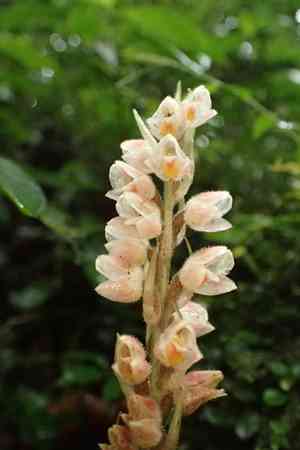
For coral beak orchid, the most favorable time for relocation is from early spring to the onset of summer's heat, which guarantees robust development. Select a shaded spot resembling a forest floor, providing damp, adequately draining earth. Enhance coral beak orchid's health by preventing intense solar exposure post-transplant.
What Preparations are Needed Before Transplanting Coral Beak Orchid?
What is the Ideal Time for Transplanting Coral Beak Orchid?
The perfect time for moving coral beak orchid is from late spring to early summer. This period aligns with coral beak orchid's natural growth, helping roots establish well in mild weather before peak summer heat. Transplanting coral beak orchid then benefits from gentle temperatures, reducing shock and ensuring good soil for root growth. Cultivating coral beak orchid when conditions are favorable promotes a strong start in its new spot.
How Much Space Should You Leave Between Coral Beak Orchid Plants?
When getting your coral beak orchid ready for their new home, aim to position each plant roughly 6-12 inches (15-30 cm) apart. This spacing allows them to grow without competing for essential nutrients!
What is the Best Soil Mix for Coral Beak Orchid Transplanting?
Your coral beak orchid will flourish in soil that drains well and is rich in organic matter. Before moving, mix in some compost and a mild, balanced starter fertilizer to give your plants a healthy beginning.
Where Should You Relocate Your Coral Beak Orchid?
Find a suitable location for your coral beak orchid with filtered sunlight or partial shade. Shielding them from intense midday sun will keep them happiest, so a spot beneath a tree or next to a building would be ideal!
What Equipments Should You Prepare Before Transplantation Coral Beak Orchid?
Gardening Gloves
To safeguard your hands while handling soil and plants.
Trowel
For digging in confined areas and making precise movements when extracting the plant.
Shovel or Spade
To use when excavating the plant from the ground or preparing the new hole for transplanting.
Watering Can or Hose
For hydrating the plant before and after transplanting to lessen stress.
Pruning Shears
For trimming any dead or excess plant parts prior to transplanting.
Garden Fork
To gently loosen the soil around the plant's roots without causing significant harm.
Wheelbarrow or Plant Tray
To safely move the coral beak orchid to its new location.
Root Pruning Saw or Knife (if necessary)
If roots are tangled and require trimming.
How Do You Remove Coral Beak Orchid from the Soil?
How Do You Remove Coral Beak Orchid from the Soil?
From Ground: First, thoroughly water the coral beak orchid plant to soften the soil. Use a shovel or spade to dig around the plant, being careful to dig wide enough to avoid damaging the root ball. Gently lift the plant from the ground with a garden fork.From Pot: Water the coral beak orchid well. Tilt the pot sideways and tap the edges to loosen the soil. Carefully pull the plant out while supporting the stem base and root ball. If roots are circling, gently untangle them without breaking.From Seedling Tray: Water the seedlings to ease soil removal. Carefully lift coral beak orchid seedlings by their leaves, not their delicate stems. Loosen the soil with a trowel or dibber and gently remove the plant, keeping as much soil as possible around the roots.
Step-by-Step Guide for Transplanting Coral Beak Orchid
Preparation
Before transplanting, water the coral beak orchid in its current spot to reduce stress and hydrate roots.
Root Ball
Using your trowel or shovel, carefully dig around the coral beak orchid to create a wide area around the root ball, preserving as much original soil structure as possible.
Lifting
Slide the trowel or garden fork beneath the root ball and gently lift the coral beak orchid from its initial spot, ensuring minimal root disturbance.
Transport
Place the coral beak orchid in a wheelbarrow or plant tray to move it to its new transplant site without harming the plant or roots.
Hole Preparation
At the new site, dig a hole twice as wide as the root ball to encourage root growth, but no deeper than the root ball's height.
Placement
Position the coral beak orchid in the hole, ensuring it stands perfectly upright. The top of the root ball should be level with the surrounding ground.
Filling
Backfill the hole around the root ball with soil, gently firming it down to eliminate any air pockets that can dry out roots.
Watering
Thoroughly water the transplanted coral beak orchid to settle the soil around the roots and aid in shock recovery.
How Do You Care For Coral Beak Orchid After Transplanting?
Watering
Ensure the soil around the coral beak orchid stays consistently moist to encourage new root growth after transplant.
Mulching
Apply a layer of mulch around the base to help retain moisture, regulate soil temperature, and suppress weeds.
Monitoring
Keep a close watch on the coral beak orchid's health, looking for signs of stress or disease, and act as needed.
Support
If the coral beak orchid appears unstable in its new spot, consider staking or providing support until it's firmly rooted.
Adjustment
Understand that the coral beak orchid will need time to adapt to its new environment, so be patient and avoid over-fertilizing or over-pruning.
Protection
Shield it from strong winds, heavy rains, or pests during the initial establishment phase.
Troubleshooting Common Issues with Coral Beak Orchid Transplantation.
Why are my coral beak orchid wilting after transplanting?
Wilting can be due to shock. Ensure coral beak orchid is watered sufficiently and receives indirect light after relocation.
When should coral beak orchid be transplanted for best results?
Transplant coral beak orchid during late spring to early summer for optimal root establishment and development.
What's the ideal spacing for coral beak orchid when transplanting?
Space coral beak orchid about 6-12 inches (15-30 cm) apart to allow ample room for healthy growth without crowding.
How deep should I plant coral beak orchid in their new location?
Plant coral beak orchid at the same depth they were in their previous container to prevent root suffocation.
How much water does coral beak orchid need immediately after transplanting?
Water thoroughly post-transplant, ensuring the soil is damp but not waterlogged to help coral beak orchid settle.
Can I use fertilizer when I transplant coral beak orchid?
Wait a few weeks before applying a balanced fertilizer to allow coral beak orchid to acclimate to their new surroundings.
How do I choose the right soil for transplanting coral beak orchid?
Select a well-draining, rich potting mix suitable for orchids to provide essential nutrients and support.
What are the signs of transplant shock in coral beak orchid?
Symptoms include wilting, yellowing leaves, or stunted growth. Mitigate by providing stability and reducing stress.
How can I protect coral beak orchid from pests after transplanting?
Inspect frequently for pests, and treat promptly with appropriate measures to prevent infestations in vulnerable coral beak orchid.
What if the leaves of coral beak orchid turn yellow after transplanting?
Yellowing might indicate stress or excessive watering. Allow soil to dry slightly between waterings and minimize disturbances.



