How to Transplant Common globe amaranth?
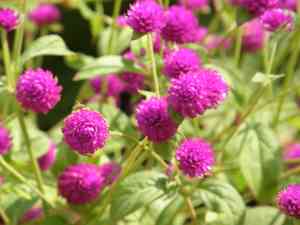
The ideal period for relocating common globe amaranth spans from mid-summer through late autumn, facilitating peak development and flowering. Select a bright spot with adequately draining earth for effective transplantation. Administer prompt irrigation and attention as required to guarantee common globe amaranth flourishes in its new environment.
Necessary Preparations Before Relocating Common Globe Amaranth?
Optimal Period for Transplanting Common Globe Amaranth?
The ideal window for moving common globe amaranth spans from mid-summer's peak to the start of late autumn. This represents common globe amaranth's primary growth phase, fostering a more robust and thriving plant. As an annual, it can maximize its developmental capacity during this time, leading to a vibrant display of color and vitality. Your garden will certainly appreciate this colorful addition!
Recommended Spacing Between Common Globe Amaranth Plants?
When relocating common globe amaranth, ensure a separation of approximately 12-18 inches (30-45 cm) between them. This provides ample room for individual plant development and helps minimize competition for essential nutrients and sunlight.
Best Soil Composition for Common Globe Amaranth Relocation?
For common globe amaranth, prepare a soil that drains effectively, incorporating compost or other organic materials. Apply a balanced, slow-release fertilizer according to package directions as a foundational nutrient source for vigorous and healthy growth.
Preferred Location for Your Common Globe Amaranth?
Relocate common globe amaranth to a garden area that receives direct sunlight for at least 6-8 hours daily. This guarantees your plants have sufficient light to flourish and produce vivid blooms.
Equipment Required Before Transplanting Common Globe Amaranth?
Gardening Gloves
To safeguard your hands while working with soil and common globe amaranth.
Trowel/Spade
For carefully excavating common globe amaranth from its previous spot.
Pruning Shears
To trim away any dead or damaged sections of the plant before relocation.
Garden Hose or Watering Can
You will need to hydrate the plant both before and after the transplant.
Compost
To enrich the soil with nutrients and encourage the growth of common globe amaranth.
Mulch
To maintain soil moisture and temperature, and to inhibit weed growth around common globe amaranth
Method for Extracting Common Globe Amaranth from the Soil?
Method for Extracting Common Globe Amaranth from the Soil?
From Ground: First, moisten the common globe amaranth plant to dampen the soil. Next, use your trowel or spade to carefully dig a wide trench around the plant, ensuring the root ball remains intact. Gently work beneath the root ball to lift the common globe amaranth from its original position. Aim to keep as much soil attached to the roots as possible to lessen shock and maintain stability. From Pot: Similarly, water the potted plant before beginning. Tilt the pot slightly, and gently pull the common globe amaranth plant by holding its base. Avoid forceful tugging; instead, tap the pot's bottom to loosen the soil and slide the plant out. Keep the root ball and adhering soil undisturbed. From Seedling Tray: Employ a small tool like a spoon or spatula to carefully lift the seedlings from their trays, taking care to lift from beneath the roots to prevent damage. Maintain the integrity of the root system and surrounding soil during this process.
Step-by-Step Guide for Relocating Common Globe Amaranth
Preparing the New Site
Excavate a hole twice the width and equivalent in depth to the root ball of your common globe amaranth so it rests at the original soil level. Amend the hole with some compost to supply nutrients.
Positioning the Plant
Carefully place the common globe amaranth into the hole. Ensure it stands upright. The root ball should be flush with the hole and surrounding ground.
Refilling the Hole
Backfill the hole with the excavated soil. Gently pat it down to eliminate air pockets. Confirm the plant is stable but avoid compacting too tightly.
Watering
Water thoroughly so that moisture reaches the root zone; this also aids in settling the soil around the plant.
Mulching
Apply a 2-3 inch layer of mulch around the plant, leaving some space near the stem. This assists in retaining moisture and regulating temperature, and prevents weeds.
Post-Transplant Care for Common Globe Amaranth?
Monitoring
Observe your relocated common globe amaranth closely. Look for any indications of shock such as wilting or discoloration. While some minor symptoms are expected, anything severe may require intervention.
Consistent Watering
Continue to water the plant thoroughly for the initial few weeks to help it establish its roots. However, avoid excessive watering to prevent root rot.
Pruning
If any parts of the plant appear dead or damaged after relocation, trim them off to help the plant direct its energy towards growth.
Protection
Consider using a plant cover to shield the common globe amaranth from any unexpected harsh weather conditions in the weeks following the transplant.
Fertilization
Do not fertilize immediately after transplanting as this can shock the plant. Allow a few weeks for the plant to settle before introducing fertilizer to encourage growth.
Resolving Common Issues with Common Globe Amaranth Relocation.
When is the appropriate season to move common globe amaranth?
The optimal period to relocate common globe amaranth is from mid-summer to late autumn, when warm weather conditions prevail.
What spacing should I maintain when planting common globe amaranth seedlings?
To ensure robust growth and adequate air circulation, space common globe amaranth seedlings approximately 12-18 inches (30-45 cm) apart.
Why are the leaves of my relocated common globe amaranth turning yellow?
Yellowing foliage can indicate overwatering or insufficient drainage. Assess the soil conditions to confirm they are ideal.
Is mulching around common globe amaranth necessary after transplanting?
Yes, applying a layer of mulch around common globe amaranth can help maintain soil moisture and regulate temperature to support growth.
What action should I take if my common globe amaranth appears wilted after transplanting?
If common globe amaranth looks wilted, it might be transplant shock. Provide sufficient watering until it resumes normal growth.
What type of soil should I use when relocating common globe amaranth?
Common globe amaranth thrives in well-draining soil. Use a blend of loam, sand, and organic matter for optimal results.
Why isn't my relocated common globe amaranth producing flowers?
A lack of blooms could be due to insufficient sunlight. Ensure common globe amaranth receives full sun for the majority of the day.
What is the best watering regimen for common globe amaranth post-transplant?
Water common globe amaranth thoroughly after transplanting. Subsequently, moderate watering is required, avoiding over-saturation.
How do I safeguard my newly relocated common globe amaranth from pests?
Regularly inspect common globe amaranth for pests. If detected, gentle organic or chemical pest control solutions can be utilized.
Can I apply fertilizer immediately after relocating common globe amaranth?
Wait one to two weeks before adding fertilizers post-transplant. This allows common globe amaranth to establish itself and begin growing.



