How to Transplant Balloon plant?
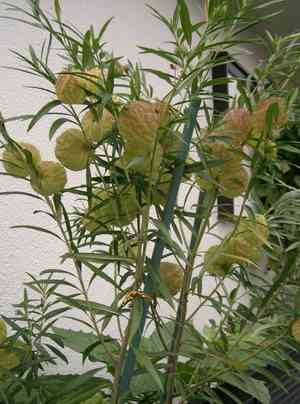
Balloon plant transplantation is most successful from late spring to early summer, benefiting from higher temperatures for robust root development. Select a site with full sun or partial shade, ensuring good air movement. Carefully separate the root ball if needed to encourage improved growth, and observe balloon plant prosper in its new setting.
What Preparations are Needed Before Transplanting Balloon Plant?
What is the Ideal Time for Transplanting Balloon Plant?
Moving balloon plant from late spring to early summer, when temperatures are consistently warm, is ideal. This period offers prime growing conditions, boosting its ability to establish strong roots and produce abundant blooms. Relocating balloon plant at this time guarantees a stunning display for your garden and ensures the plant's peak health.
How Much Space Should You Leave Between Balloon Plant Plants?
When relocating balloon plant, ensure adequate growth room by spacing them 12-18 inches (30-45 cm) apart. This prevents resource competition and allows them to flourish.
What is the Best Soil Mix for Balloon Plant Transplanting?
For balloon plant, prepare a well-draining soil mix rich in organic matter. Incorporate a slow-release, balanced fertilizer to enrich the soil and give your plants a healthy start.
Where Should You Relocate Your Balloon Plant?
Balloon plant thrives in sunlight! Select a spot where your plants will receive at least 6-8 hours of direct sun daily. They will be especially content in a location with morning sun and afternoon shade.
What Equipments Should You Prepare Before Transplantation Balloon Plant?
Shovel or Spade
These tools are essential for excavating the new planting hole and extracting the balloon plant from its original spot.
Gardening Gloves
To safeguard your hands while handling soil and the plant.
Wheelbarrow or Plant Pot
For moving the balloon plant from its initial location to its new home.
Watering Can
To hydrate the balloon plant after its relocation.
Mulch
Beneficial for the balloon plant after transplanting to help maintain soil moisture.
Garden Pruners
Needed if you must trim any dead branches from the balloon plant prior to transplanting.
How Do You Remove Balloon Plant from the Soil?
How Do You Remove Balloon Plant from the Soil?
From Ground: Start by watering the balloon plant to moisten the soil. Using a shovel or spade, dig a wide trench around the plant, keeping the root ball intact. Once the soil is loose, carefully work the spade under the root ball to gently lift the plant and its roots from the original spot.From Pot: First, water the potted balloon plant to dampen the soil. Turn the pot sideways, gently hold the plant by its stems or leaves, and tap the bottom of the container until the plant slides out. A few taps might be necessary. Be careful not to pull the plant to avoid damage.From Seedling Tray: Water the balloon plant seedlings first, as this makes removal easier. Gently press the base of the seedling cell to push the seedling out, then hold it by its leaves to remove it, avoiding stem damage.
Step-by-Step Guide for Transplanting Balloon Plant
Hole Preparation
Dig a hole that is twice the width of the balloon plant's root ball and equally deep in the chosen spot. The wider hole allows roots to spread and establish.
Preparing the Plant
Examine the balloon plant and use your garden pruners to remove any dead branches. Shake off excess soil from the roots.
Placement
Position the balloon plant in the prepared hole. Ensure the top of the root ball is level with the surrounding soil surface.
Backfilling
Refill the hole with the excavated soil, firming it around the base of the balloon plant.
Watering
Water the balloon plant thoroughly immediately after transplanting to help settle the soil.
Mulching
Apply a layer of mulch around the balloon plant, but keep it from touching the stem. This aids in retaining soil moisture and suppressing weeds.
How Do You Care For Balloon Plant After Transplanting?
Watering
Ensure the balloon plant's soil is damp but not waterlogged. For the first two weeks, water the balloon plant daily, then adjust to regular watering based on local conditions.
Pruning
Lightly prune the balloon plant to encourage denser growth. Removing spent flowers can promote more blooms.
Frost Protection
If frost is anticipated, cover the balloon plant with a frost cloth or move it indoors if it's in a portable container. The balloon plant is sensitive to frost and will not tolerate freezing temperatures.
Monitoring
Keep a close watch on the balloon plant for pest infestations. Address pests promptly to prevent significant harm to your plant.
Troubleshooting Common Issues with Balloon Plant Transplantation.
When is the ideal time to transplant balloon plant?
The best time to move balloon plant is from late spring to early summer. This helps ensure the plant establishes roots before the summer heat.
What space should I maintain when transplanting balloon plant?
Always maintain ample space between balloon plant plants when transplanting, approximately 12-18 inches (30-45 cm). This allows each plant sufficient room to grow and thrive.
How should I prepare the soil before transplanting balloon plant?
The soil must be well-drained and enriched with organic matter. Also, ensure it's loose to allow balloon plant's roots to spread easily.
Why are my transplanted balloon plant wilting?
Wilting can be a sign of transplant shock. Ensure the plant is adequately watered and shielded from intense sunlight until it has settled into its new location.
Why is my balloon plant not growing even after transplanting?
Ensure you're providing sufficient sun and water for balloon plant. In nutrient-deficient soil, a high-quality fertilizer may stimulate growth. Also, make sure to space balloon plant correctly when transplanting.
What depth should I dig the hole for transplanting balloon plant?
The hole should be twice as wide and as deep as the root ball of the balloon plant. This will provide enough space for roots to spread and grow.
What should I do if the leaves of my balloon plant turn yellow after transplanting?
Yellowing leaves can indicate overwatering, underwatering, or nutrient deficiency. Adjust your care accordingly and ensure you're providing balanced fertilizer and appropriate watering.
Do I need to give any special care to balloon plant after transplanting?
Yes, balloon plant requires a consistent watering schedule and protection from harsh weather conditions immediately after transplanting. Gradually reduce watering as the plant becomes established.
How do I know if I'm overwatering my transplanted balloon plant?
Signs of overwatering include yellow leaves and wilting despite wet soil. Allow the soil to dry out between watering periods to prevent waterlogging.
What should I do if my balloon plant is not flowering after transplanting?
Ensure balloon plant receives enough sun exposure and fertilize with a high-phosphorus plant food to encourage blooming. Also, remember that transplanting stress may initially delay flowering.



