How to Transplant White teak?
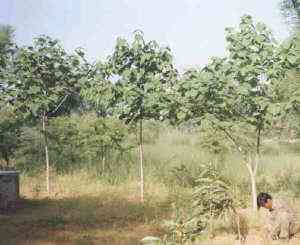
The most favorable period for relocating white teak spans from the onset of early spring until the threshold of summer's heat, facilitating strong root development. Select a site with good drainage and ample sunlight to foster vigorous development. Although moving is rarely required, account for the plant's mature dimensions when determining spacing.
Essential Preparations Before Relocating White Teak
Optimal Period for White Teak Relocation?
The ideal time to move white teak spans from the onset of early spring to the peak of late spring. This timeframe provides your white teak with the gentle warmth and increasing daylight it desires, promoting stronger root development before summer's heat. Transplanting at this point supports vigorous growth, allows the plant ample time to settle, and benefits from the season's moderate rainfall, aiding root establishment in its new spot.
Recommended Spacing Between White Teak Plants?
When preparing to rehome your white teak, remember to give them ample room. Aim for 20-30 feet (6-9 meters) between each specimen to ensure they have sufficient space to thrive and grow tall!
Optimal Soil Blend for White Teak Transplanting?
Before your white teak can achieve significant growth, let's prepare the perfect base. Combine well-draining soil with a generous amount of organic compost. A balanced starter fertilizer will provide your white teak with an excellent beginning!
Selecting a New Location for Your White Teak?
Your white teak flourishes in sunlight, so choose a site where they can receive sun exposure throughout the day. A location with full sun will ensure your white teak prospers and absorbs all the warmth it requires!
Equipment Needed for White Teak Transplantation
Gardening Gloves
To safeguard your hands while handling soil and the plant.
Shovel or Spade
For excavating the plant and preparing the new planting site.
Hand Trowel
For more precise tasks and smaller excavations.
Watering Can or Hose
To hydrate the plant before removal and after replanting.
Pruning Shears
To trim any excess or damaged roots or branches if necessary.
Wheelbarrow or Tarp
To move the plant and soil without creating a mess.
Root Stimulator
A solution designed to encourage root development post-transplant.
How to Extract White Teak from the Soil?
How to Extract White Teak from the Soil?
From Ground: First, moisten the white teak to hydrate the soil. Next, use a shovel or spade to dig a wide trench around the plant, being careful to encompass the entire root ball. Gently work beneath the root ball to lift it from the ground without causing undue harm to the roots.From Pot: Water the white teak thoroughly. Turn the container on its side, and gently tap or squeeze the sides to loosen the soil. Carefully pull the plant out by the base of the main stem or by the pot's edges, supporting the root ball with your hand.From Seedling Tray: Dampen the soil before attempting to remove a seedling. Use a hand trowel or a small stick to carefully lift the seedling out. Gently hold it by the leaves rather than the delicate stem to minimize damage and support the root ball.
Detailed Guide for Transplanting White Teak
Prepare New Location
Clear the designated area of weeds and debris. You should already have a spot with appropriate spacing and soil prepared.
Dig Hole
Excavate a hole that is twice the width and the same depth as the root ball. This promotes root expansion.
Position Plant
Gently place white teak in the center of the new hole. Ensure the plant is upright and at the correct depth.
Backfill Soil
Refill the hole with soil, carefully placing it around the root ball until the hole is completely filled.
Remove Air Pockets
Gently press down on the soil around the base of white teak to eliminate any air pockets.
Initial Watering
Water the white teak generously immediately after planting to settle the soil around the root ball and help reduce transplant shock.
Post-Transplant Care for White Teak
Monitoring
Regularly inspect the plant for signs of transplant shock, such as wilting or yellowing leaves, and take appropriate action if necessary.
Support
If white teak is tall or top-heavy, use plant stakes or ties to provide stability until the roots are well established.
Pruning
Trim any damaged or dead branches to encourage new growth. However, avoid extensive pruning immediately after transplanting.
Regular Watering
Water the plant consistently, especially during dry periods, but always check soil moisture to prevent overwatering.
Addressing Common Issues During White Teak Transplantation.
What's the optimal time to transplant white teak for best growth?
Relocate white teak during the milder temperatures of early to late spring for the highest success rate.
How much space should I leave between white teak when transplanting?
Ensure a generous distance of 20-30 feet (6-9 meters) between each white teak to allow ample room for growth.
Why is my white teak showing signs of wilting after transplanting?
Wilting can indicate shock. Maintain consistent soil moisture and initially shield the plant from intense sunlight.
How deep should the hole be when transplanting white teak?
Dig a hole as deep as the root ball and twice as wide to encourage root spread.
Can I transplant white teak in summer or fall?
Transplanting during the recommended spring window ensures better root establishment before harsher weather conditions.
What soil type is best for transplanting white teak?
Utilize well-draining soil, rich in organic matter, to provide a strong foundation for white teak.
Should I prune white teak before transplanting?
Light pruning can help mitigate transplant shock by balancing root loss, but avoid severe cuts.
How much water does white teak need after transplanting?
Water thoroughly after transplanting and then weekly, adjusting based on weather and soil moisture levels.
My white teak's leaves are yellowing post-transplant, what should I do?
Yellowing may suggest stress or water imbalance. Ensure proper watering and check for drainage problems.
Is it essential to fertilize white teak after transplanting?
Wait until white teak has established before fertilizing, typically a few months after transplanting to prevent burning.



