How to Transplant Chinese water fir?
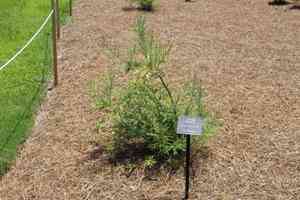
The most favorable period for relocating chinese water fir is from late spring through mid-summer, as this warmth facilitates rapid root development. Select a location that is damp, drains effectively, and receives full to partial sunlight. Should the root system be tightly packed, carefully separate the roots to promote their expansion.
What Preparations are Needed Before Transplanting Chinese Water Fir?
What is the Ideal Time for Transplanting Chinese Water Fir?
The optimal period to relocate chinese water fir is at the transition from late spring to early summer. This timeframe offers suitable temperatures for root establishment without intense heat. Moving chinese water fir then ensures a strong start to growth, as the mild warmth and increasing daylight of this season create prime conditions for root development. Placing chinese water fir in its new spot during this window allows ample time to settle before summer's demands, leading to a more vigorous and flourishing plant. With friendly advice, trust in the magic of this season to give your chinese water fir the best transplanting experience.
How Much Space Should You Leave Between Chinese Water Fir Plants?
When relocating chinese water fir, aim to space each plant approximately 10-12 feet (about 3-3.6 meters) apart. This provides chinese water fir with sufficient room to thrive without competing for nutrients and water.
What is the Best Soil Mix for Chinese Water Fir Transplanting?
Optimal soil preparation for chinese water fir involves a rich, moist, well-drained loamy mixture. Incorporate some foundational fertilizer, such as compost or manure, to balance nutrients and help chinese water fir establish itself effectively.
Where Should You Relocate Your Chinese Water Fir?
Chinese water fir prefers locations ranging from partial shade to full sun. Therefore, select a garden spot that receives ample morning sunlight but is protected from the harsh afternoon sun.
What Equipments Should You Prepare Before Transplantation Chinese Water Fir?
Gardening Gloves
These are vital for protecting your hands from abrasions or injury while handling soil and chinese water fir.
Shovel or Spade
These tools are used to excavate the ground where the plant will be relocated.
Pruning Shears
This instrument is used to trim or cut the branches of chinese water fir prior to transplantation.
Garden Fork
This tool is crucial for carefully lifting the plant from its original site without harming its roots.
Watering Can
Efficiently irrigates the plant before, during, and after relocation.
Wheelbarrow
To comfortably transport the plant.
How Do You Remove Chinese Water Fir from the Soil?
How Do You Remove Chinese Water Fir from the Soil?
From the Ground: Prepare by watering the chinese water fir plant a day in advance to loosen the soil, facilitating easier removal without stressing the plant. Then, using a garden fork, carefully dig around the plant, maintaining a safe distance to avoid root damage. Once sufficiently loosened, gently lift the plant along with its root system.From a Pot: Begin by watering the plant. Tilt the pot sideways and gently tap it to dislodge the plant. If it remains stuck, slide a butter knife around the pot's interior to free it. Then, carefully hold the plant by its base and pull it out, ensuring the root ball stays intact.From a Seedling Tray: Water the seedlings beforehand. Using a spoon or small hand tool, gently loosen the soil around the seedlings. Hold the chinese water fir plant by its leaves, not its stem, and lift it out, bringing along the roots and as much soil as possible.
Step-by-Step Guide for Transplanting Chinese Water Fir
Preparation
Begin preparing the new site by digging a hole with your shovel or spade. The hole should be sufficiently wide and deep to accommodate the chinese water fir's root ball without compression.
Positioning
Carefully place the chinese water fir plant into the prepared hole. Ensure it stands upright and the top of the root ball is level with the surrounding soil surface.
Backfilling
Refill the hole with the excavated soil, firming it around the plant's root ball.
Watering
Thoroughly water the chinese water fir plant. This aids in settling the soil around the roots and eliminating air pockets.
Monitoring
Observe the chinese water fir plant's progress over the subsequent days, providing water as needed.
How Do You Care For Chinese Water Fir After Transplanting?
Water Management
It's vital to maintain appropriate moisture levels around the chinese water fir plant in the weeks following relocation. Ensure deep and regular watering, without causing waterlogging.
Pruning
Remove any dead or diseased branches to encourage new growth. However, avoid extensive pruning immediately after transplanting, as the plant requires all its foliage to recover and regrow.
Pest Control
Watch for any indications of pests or diseases and address them promptly to prevent their spread. Mild application of organic pest control may be necessary.
Troubleshooting Common Issues with Chinese Water Fir Transplantation.
When is the ideal time to transplant chinese water fir?
The perfect period to relocate chinese water fir is typically between late summer and early autumn (S3-S5). This offers the best conditions for root establishment.
What space should I leave between each chinese water fir when transplanting?
Ensure you allow approximately 10-12 feet (3-3.5 meters) between each chinese water fir. This spacing promotes healthy development and prevents overcrowding.
Should I water chinese water fir immediately after transplant?
Absolutely! Make sure to deeply water chinese water fir right after transplanting. This will help it to establish new roots in its new location.
What type of soil is best for transplanting chinese water fir?
Chinese water fir thrives in well-draining, fertile soil. Incorporating organic matter into the hole during transplanting can significantly boost the soil's nutrient content.
What size hole should I dig when transplanting chinese water fir?
The hole should be at least twice as wide and the same depth as the root ball of your chinese water fir. This provides ample space for root growth.
Are there any special care needs for chinese water fir right after transplanting?
Yes, maintaining adequate moisture levels for chinese water fir and shielding it from strong winds and direct hot sun for a few weeks post-transplant are crucial.
How should I prepare the chinese water fir for transplant?
Before transplanting, thoroughly water chinese water fir. This helps to keep the root ball intact during the relocation process, minimizing root damage.
How long should I wait before fertilizing the transplanted chinese water fir?
Wait about 3-4 weeks after relocating chinese water fir before applying any fertilizer. This allows the plant time to recover and begin new growth.
How do I know if my transplanted chinese water fir is thriving?
New growth is a good indicator that your relocated chinese water fir is doing well. If you observe new leaves or branches developing, it signifies your plant is flourishing.
What do I do if the leaves on my transplanted chinese water fir are turning yellow?
Yellow leaves may suggest water stress or nutrient deficiency. Check if your chinese water fir is receiving too much or too little water. You may also need to adjust your fertilizing schedule.



