How to Transplant Licorice?
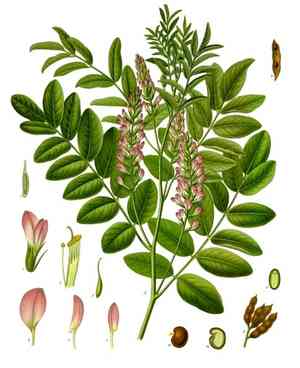
The ideal period for transplanting licorice is during the mild warmth following spring, a time of robust development. Select a bright location featuring soil that drains effectively. When positioning licorice, a helpful suggestion: guarantee sufficient room for its expansive root system.
What Preparations are Necessary Before Relocating Licorice?
What is the Best Period for Moving Licorice?
For licorice, the prime window for relocation spans from late spring's conclusion into the gentle onset of early summer. This timing capitalizes on warm ground and extended daylight, offering licorice perfect growth conditions. Transplanting during this interval promotes strong root development prior to peak summer heat, guaranteeing a healthy, productive growing season. Embracing this transplanting phase will enhance your garden, as licorice flourishes with a smooth transition from spring's end to summer's warm embrace.
How Much Distance Should You Maintain Between Licorice Plants?
When relocating licorice, position them approximately 12 inches (30 cm) to 3 feet (91 cm) apart. This provides your licorice ample room to expand and thrive without crowding, ensuring good air circulation and vigorous development.
What is the Optimal Soil Mixture for Licorice Relocation?
For licorice, prepare soil that drains well and is rich in organic matter. Incorporate a balanced base fertilizer, such as a 10-10-10 blend, to give licorice an excellent start. Ensure the soil is loose and fertile for those delicate roots to spread.
Where Should You Replant Your Licorice?
Select a sunny spot for your licorice as it thrives in light. Aim for a location that receives at least 6 to 8 hours of direct sunlight daily. A little afternoon shade is acceptable, but ensure the site is predominantly sun-drenched for optimal growth.
What Tools Should You Prepare Before Relocating Licorice?
Gardening Gloves
To safeguard your hands while handling soil and the plant.
Shovel or Spade
For excavating around and beneath the licorice to extract it from its original spot and for the new planting hole.
Watering Can or Hose
For hydrating the licorice before and after the relocation process.
Garden Fork
To assist in loosening the soil around the plant's roots during extraction.
Wheelbarrow or Plant Pot
To safely transport the licorice to its new position.
Pruning Shears
For trimming any damaged roots or foliage.
How Do You Extract Licorice from the Ground?
How Do You Extract Licorice from the Ground?
From Ground: First, moisten the licorice's soil to facilitate digging and help protect the roots. Carefully dig a wide circle around the licorice with a shovel or spade to avoid harming the root ball. Use a garden fork if necessary to gently loosen the soil beneath, then lift the plant from the ground.From Pot: Water the licorice thoroughly beforehand. Turn the container sideways and gently tap the sides to loosen the soil. If the plant doesn't slide out, you can roll the pot along the ground while supporting the plant until it's loose enough to remove.From Seedling Tray: Water the seedlings to ensure the soil is damp, which will help prevent root damage. Use a spoon or a small implement to carefully separate each seedling, taking care to support the root ball as you lift the licorice from the tray.
Step-by-Step Guide for Relocating Licorice
Prepare the New Location
Dig a hole in the ground that is twice the width of the licorice's root ball and of equal depth. Ensure the space allows for the licorice's full growth potential.
Examine the Roots
Inspect the licorice's root ball for any indications of decay or damage. Use pruning shears to carefully remove any problematic roots.
Position in Hole
Gently place the licorice in the center of the hole. The top of the root ball should be level with the surrounding ground. Backfill the hole with soil, gently patting it down to eliminate air pockets.
Water the Plant
Water the licorice generously immediately after relocation to help settle the soil and provide moisture to the roots.
How Do You Care For Licorice After Relocation?
Watering
Keep the soil around the licorice consistently moist, but not waterlogged, during the initial weeks after relocation to aid in strong root establishment.
Mulching
Apply a layer of organic mulch around the base of the licorice to help retain soil moisture and regulate soil temperature.
Protecting
Provide some shade or wind protection if severe weather conditions are anticipated shortly after relocation.
Monitoring
Regularly check the licorice's leaves and stems for signs of transplant shock, such as wilting or browning, and address by adjusting care practices.
Troubleshooting Common Issues with Licorice Relocation.
When is the best time to move licorice?
The optimal period for relocating licorice is during the shift from late spring to early summer.
How far apart should I space licorice when moving them?
Allow a spacing range from 12 inches to 3 feet (30 cm to 91 cm) between licorice plants for ideal growth.
What sunlight conditions are best for licorice after moving?
Choose a spot where licorice will receive full sun to partial shade after relocation.
How should I prepare the soil for licorice relocation?
Enrich the soil with organic compost and ensure it's well-draining before moving licorice.
How deep should the hole be for relocating licorice?
Dig a hole that's twice as wide as the root ball and the same depth to accommodate licorice's roots.
Can I move licorice on a hot, sunny day?
It's best to move licorice on a cloudy day or in the evening to prevent stress from heat and sunlight.
How much should I water licorice after moving?
Water licorice thoroughly after relocation to settle the soil around the roots and lessen transplant shock.
What indicates my licorice isn't adjusting well after moving?
Yellowing leaves, wilting, or no new growth suggest licorice may not be acclimating properly.
Should I fertilize licorice immediately after moving?
Wait 4-6 weeks before fertilizing to avoid damaging the newly relocated licorice's roots.
My licorice looks droopy after moving; what should I do?
Ensure sufficient watering and consider shielding licorice from intense midday sun as it recovers.



