How to Transplant Small sweet-grass?
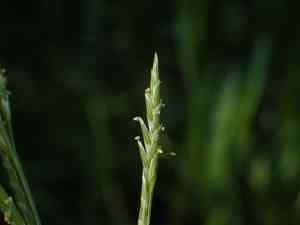
For small sweet-grass, the ideal period for relocation is from the invigorating start of spring through its vibrant conclusion, fostering vigorous development. Select an area featuring damp, nutrient-rich earth. Verifying suitable site conditions significantly improves the outcome of the transplant.
What Preparations are Needed Before Transplanting Small Sweet-grass?
What is the Ideal Time for Transplanting Small Sweet-grass?
The best time to move small sweet-grass is during nature's gentle awakening, from late winter to mid-spring. This period allows small sweet-grass to establish roots in the warming soil, fully utilizing the upcoming growth season. This ensures strong, lush development as the plant benefits from sufficient moisture and favorable temperatures, providing an excellent start in its new location. A friendly reminder: your care during this crucial time promotes a happy, thriving small sweet-grass!
How Much Space Should You Leave Between Small Sweet-grass Plants?
Hello there, green thumb! For your small sweet-grass plants, aim for a comfortable spacing of about 6-8 inches (15-20 cm) apart. This provides them ample room to flourish without becoming too crowded. Happy planting!
What is the Best Soil Mix for Small Sweet-grass Transplanting?
To prepare the ground for your small sweet-grass, create a loamy soil enriched with a good amount of organic matter. A light application of balanced 10-10-10 fertilizer at the base will give them a nourishing start. Remember, they prefer well-drained and fertile soil!
Where Should You Relocate Your Small Sweet-grass?
Your small sweet-grass will thrive with some sun exposure, but not all day. Choose a location that receives partial shade, especially during the hottest hours. They will enjoy the morning light and stay cool later onâperfect for a happy plant!
What Equipments Should You Prepare Before Transplantation Small Sweet-grass?
Gardening Gloves
To protect your hands while handling soil and plants.
Trowel
For digging small holes or trenches during the transplanting process.
Shovel or Spade
To efficiently remove the small sweet-grass from its current spot without harming the roots.
Watering Can or Hose
To hydrate the small sweet-grass before removal, and to water the plant after transplanting.
Pruners or Sharp Knife
To trim any dead or damaged roots and foliage if necessary.
Wheelbarrow or Garden Cart
To transport the small sweet-grass and any required soil amendments.
Mulch
To apply around the base of small sweet-grass after transplanting, helping retain soil moisture and suppress weeds.
How Do You Remove Small Sweet-grass from the Soil?
How Do You Remove Small Sweet-grass from the Soil?
From Ground: Water the small sweet-grass to moisten the soil. Dig a wide trench around the plant with a shovel or spade, preserving the root ball. Carefully slide the spade beneath the root ball and gently lift the plant from the ground.From Pot: Start by watering the small sweet-grass to facilitate root ball removal. Tip the pot sideways, support the plant with one hand, and gently tap the bottom and sides of the pot to loosen it. Carefully ease the root ball out while keeping the soil intact.From Seedling Tray: Water the seedlings to make removal easier. Use a trowel or your fingers to gently lift each small sweet-grass from its cell. Handle the delicate seedlings by the leaves rather than the stem to prevent damage.
Step-by-Step Guide for Transplanting Small Sweet-grass
Prep Work
Water your small sweet-grass thoroughly a few hours before transplanting to minimize shock and simplify the removal process.
Removal
Follow the 'removal process' instructions based on whether your small sweet-grass is in the ground, a pot, or a seedling tray.
Transplant Hole
Dig a hole in the ground where small sweet-grass will be transplanted. The hole should be twice as wide and equal in depth to the root ball.
Root Inspection
Examine the root ball carefully. Use pruners to cut away any damaged or diseased roots, and gently untangle any that are encircling the root ball to encourage outward growth.
Positioning
Place the small sweet-grass in the center of the hole, ensuring it sits at the same depth as it did in its previous location. Adjust the hole depth if needed.
Backfilling
Backfill the hole with soil, gently tamping down around the base to eliminate air pockets. Ensure the small sweet-grass is secure but do not compact the soil too heavily.
Watering
Water the small sweet-grass generously immediately after transplanting to settle the soil and provide moisture to the roots.
Mulching
Apply a layer of mulch around the base of small sweet-grass, avoiding direct contact with the stem or foliage, to help retain moisture and regulate soil temperature.
How Do You Care For Small Sweet-grass After Transplanting?
Monitoring
Observe the small sweet-grass closely over the initial few weeks. Check for signs of stress, such as wilting or yellowing leaves, and adjust care as needed.
Watering
Maintain a consistent watering schedule to keep the soil moist but not waterlogged. Water deeply to encourage roots to grow downward.
Mulching
Verify that the mulch layer is sufficient and replenish if it starts to thin, maintaining the recommended distance from the plant's stem.
Protection
Shield the newly transplanted small sweet-grass from harsh conditions. Provide temporary shade if there's unexpected hot weather to prevent scorching.
Pruning
Trim away any dead or damaged foliage to promote healthy growth and improve air circulation around the small sweet-grass.
Troubleshooting Common Issues with Small Sweet-grass Transplantation.
When is the best time to transplant small sweet-grass?
The optimal transplanting window is from early to late spring, ensuring the best root establishment.
How much space does small sweet-grass need when transplanting?
Space plants about 6-8 inches (15-20 cm) apart to provide ample room for growth.
Why is my transplanted small sweet-grass wilting?
Wilting post-transplant may indicate water stress. Ensure soil is moist and plants are well-watered after moving.
What's the ideal soil for transplanting small sweet-grass?
Use well-draining soil enriched with organic matter to provide a nourishing environment for small sweet-grass.
Can I transplant small sweet-grass during summer?
Transplanting in summer exposes small sweet-grass to stress; the recommended period is spring for optimal acclimatization.
How deep should I plant small sweet-grass when transplanting?
Transplant at the same depth it grew previously to prevent root exposure or burying too deeply.
How often should I water small sweet-grass after transplanting?
Water generously at transplant and then regularly to maintain evenly moist soil, without waterlogging.
Should I fertilize small sweet-grass right after transplanting?
Wait a few weeks before fertilizing to let small sweet-grass recover and roots settle in their new spot.
How do I choose a transplanting location for small sweet-grass?
Pick a spot with good sunlight and compatible soil pH for small sweet-grass to thrive after transplant.
Why aren't my transplanted small sweet-grass plants growing?
Consider potential shock, inadequate watering, or unsuitable soil conditions. Assess and adjust care accordingly.



