How to Transplant Flame lily?
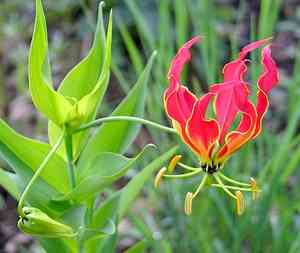
The optimal period for relocating flame lily is in the spring awakening, as warmer temperatures facilitate root development. Select a sunny location featuring soil that drains effectively. Providing ample room will accommodate its expansive spread.
What Preparations are Needed Before Transplanting Flame Lily?
What is the Ideal Time for Transplanting Flame Lily?
The optimal period for relocating flame lily is during spring, as mild temperatures aid root establishment. Moving it at this time maximizes growth, ensuring a strong and vibrant display. Let's welcome spring by giving flame lily a new home, aligning with nature's renewal, and your flame lily will reward you with stunning blooms and vigorous health. Embrace the season of new beginnings to enhance your garden's appeal with flame lily.
How Much Space Should You Leave Between Flame Lily Plants?
When moving your flame lily, ensure a spacing of approximately 2-3 feet (60-90 cm) from adjacent plants. This provides ample room for growth and spread without competition, promoting a healthy plant!
What is the Best Soil Mix for Flame Lily Transplanting?
The soil foundation for your flame lily should ideally be sandy, well-drained, and rich in organic matter. Prior to transplanting, amend your soil with a balanced, slow-release fertilizer to give your plant an excellent start.
Where Should You Relocate Your Flame Lily?
Remember, your flame lily thrives in sunlight! Aim to select a spot where the plant receives at least six hours of sun daily. However, shield it from intense afternoon heat by providing partial shade.
What Equipments Should You Prepare Before Transplantation Flame Lily?
Gardening Gloves
These are crucial for protecting your hands while handling soil and the flame lily plant.
Shovel or Gardening Spade
Useful for excavating holes and extracting the plant from its original spot.
Gardening Trowel
For precise digging while safeguarding the root structure of the flame lily plant.
Watering Can
Needed for moistening the soil before and after relocation.
Padded Kneeler
To support your knees when working close to the ground.
Stakes and Plant Ties
Flame lily sometimes requires extra support for growth, and these can provide it.
How Do You Remove Flame Lily from the Soil?
How Do You Remove Flame Lily from the Soil?
From Ground: Start by watering the flame lily plant to moisten the soil. This will facilitate digging and lessen plant shock. Next, dig a wide trench around the flame lily using a shovel or spade, being careful not to harm the plant's root ball. Gently lift the plant from its initial location, ensuring the root ball remains intact.From Pot: Moisten the soil in the pot before you begin. Invert the pot and gently shake it, holding the base of the flame lily to carefully release the plant with roots and soil intact.From Seedling Tray: For flame lily growing in divided trays, the process is straightforward. Once the seedlings have reached a suitable size, turn the tray upside down and tap it lightly. Each compartment should release easily, each containing a small clump of flame lily with its soil.
Step-by-Step Guide for Transplanting Flame Lily
Preparing the Ground
Begin by digging a hole twice as wide and twice as deep as the flame lily plant's root ball. This ensures ample space for root expansion.
Placing the Plant
Next, position the flame lily into the hole, making sure the top of the root ball is level with the surrounding ground.
Backfilling
Fill the remaining space in the hole with the soil you previously removed, pressing it down firmly to eliminate any air pockets.
Watering
Water the flame lily plant generously, but avoid saturating the soil.
Staking
If necessary, provide support to your flame lily using stakes and plant ties, but be gentle to prevent plant damage.
How Do You Care For Flame Lily After Transplanting?
Temperature Maintenance
Ensure the flame lily plant is kept in an environment with temperatures between 20 to 30 degrees Celsius, as it prefers warm conditions.
Watering
Newly relocated flame lily require consistent watering to help them adapt to their new spot. However, be careful not to overwater and make the soil soggy.
Additional Support
Depending on the size of your flame lily, you might need to provide extra support using stakes and plant ties, to help it grow upright.
Regular Monitoring
Keep a close watch on your flame lily after transplanting. If the leaves turn yellow, it could indicate stress. In such a case, try adjusting the water or temperature conditions.
Troubleshooting Common Issues with Flame Lily Transplantation.
What's the perfect time to transplant flame lily?
The best seasons to transplant flame lily are during the first three seasons of the year.
How far apart should I plant flame lily?
For healthy growth, allow flame lily a good distance of about 2-3 feet (60-90cm) from each other.
Can flame lily survive if I transplant it with adequate spacing but in the wrong season?
Flame lily is resilient but for optimum growth, it's crucial to transplant during S1-S3, not S4.
What is the ideal soil for transplanting flame lily?
Flame lily prefers well-drained, moderately fertile soil. If the soil is heavy, work in generous amounts of compost before you transplant.
I transplanted flame lily, but it's wilting. What did I possibly do wrong?
Wilting usually indicates stress. Review aspects like watering, soil quality, sunlight exposure, and the season it was transplanted in.
How often should I water flame lily after transplanting?
Water flame lily right after transplanting. Then, water periodically ensuring the soil remains moist but not waterlogged.
What could discoloration or spotting of leaves in a recently transplanted flame lily indicate?
Discoloration or spotting on flame lily leaves could mean it may have a disease or may be stressed due to under watering, over watering, or inadequate sunlight.
What's the ideal depth to plant flame lily?
When transplanting, flame lily should be set 2-3 inches (5-7.5 cm) deep to provide stability and encourage root growth.
Should I prune flame lily before transplanting?
Pruning is not required for flame lily. This could actually damage the plant and disrupt its growth after transplanting.
I noticed some pests on the flame lily after transplanting, what should I do?
It's common to spot pests after transplanting flame lily. Use natural pest repellants or suitable pesticides, and make sure to keep it in a clean environment.



