How to Transplant Honey locust?
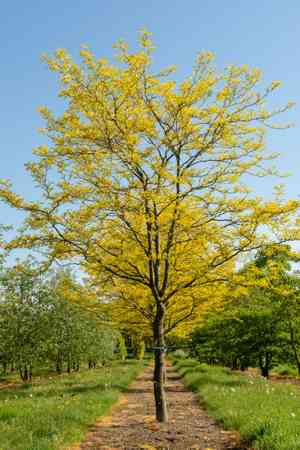
The ideal period for relocating honey locust spans from the end of spring through mid-summer, since this timeframe provides elevated temperatures and extended daylight, fostering prime development. Select a bright spot with soil that drains effectively for superior outcomes. Be sure to irrigate consistently and observe its advancement to guarantee a prosperous relocation.
What Preparations are Needed Before Transplanting Honey Locust?
What is the Ideal Time for Transplanting Honey Locust?
The optimal period to relocate honey locust is during the pleasant stretch from late spring to midsummer. This timing facilitates a smooth transition and encourages robust, vigorous development for your enduring companion.
How Much Space Should You Leave Between Honey Locust Plants?
For honey locust, it's crucial to provide ample room for its development. Aim for a separation of 30-70 feet (9-21 meters) between plants to allow sufficient space for flourishing.
What is the Best Soil Mix for Honey Locust Transplanting?
The perfect soil for honey locust relocation is well-draining and rich in nutrients. Loamy or sandy-loam substrates are most effective. Additionally, mix a slow-release, balanced fertilizer into the soil prior to planting.
Where Should You Relocate Your Honey Locust?
Select a transplant site for honey locust that receives full sun exposure, ensuring it gets at least 6 hours of unobstructed, direct sunlight daily. This will aid in its strong and healthy development!
What Equipments Should You Prepare Before Transplantation Honey Locust?
Gardening Gloves
To safeguard your hands while handling soil and the plant.
Shovel or Spade
For excavating a hole for the honey locust plant's relocation and extracting it from its original spot.
Pruner or Garden Shears
To trim any damaged or excess roots before the transplant.
Garden Fork
To gently loosen the soil surrounding the plant and assist in root removal.
Watering Can or Hose
To hydrate the honey locust plant both before and after its relocation.
Organic Mulch
To insulate the plant post-transplant, helping to retain moisture and regulate soil temperature.
How Do You Remove Honey Locust from the Soil?
How Do You Remove Honey Locust from the Soil?
- From Ground:First, water the honey locust plant to moisten the soil. Then, excavate a wide trench around the plant using a shovel or spade, ensuring the plant's root ball remains intact. Carefully work the spade beneath the root ball to lift the plant from its initial position.- From Pot:Begin by watering the honey locust plant in its container. Place your hand over the top of the pot, with the plant stem between your fingers. Gently invert the pot and tap the container edges to loosen the root ball. Slowly slide the plant out of the pot, preserving as much of the root ball as possible.- From Seedling Tray:Dampen the soil in the tray with water to facilitate easier removal of the honey locust seedlings. Utilize a small gardening tool or your fingers to carefully lift the seedlings by their leaves, avoiding any harm to the stems or roots.
Step-by-Step Guide for Transplanting Honey Locust
Site Selection
Choose a location with adequate space for your honey locust plant to reach its mature dimensions.
Dig the Hole
Using a shovel or spade, excavate a hole at the chosen spot that is at least twice as wide and slightly deeper than the honey locust plant's root ball.
Prepare the Hole
Gently loosen the soil at the base of the hole using a garden fork. This will facilitate easier root growth.
Trimming
Use pruner or garden shears to remove any damaged or excessive roots from the honey locust plant.
Planting
Lower the honey locust plant's root ball into the hole, ensuring that the top of the root ball is slightly above the surrounding ground level. Gradually backfill the hole with soil, gently firming the soil around the root system and avoiding compaction.
Water
After transplanting, thoroughly water the honey locust plant, allowing the soil to settle around the roots.
Mulching
Apply a layer of organic mulch around the base of the honey locust plant to help maintain moisture and regulate soil temperature.
How Do You Care For Honey Locust After Transplanting?
Watering
Keep the soil around the honey locust consistently moist, but not waterlogged, for the initial few weeks post-transplant to aid in establishing strong roots.
Pruning
Monitor the honey locust plant for any indications of stress or damage. Prune any dead or compromised branches to encourage healthy development.
Fertilizing
Wait approximately four to six weeks before applying any additional fertilizer to allow the honey locust plant time to establish its root system.
Monitoring
Keep a close watch on the honey locust plant for any signs of pests or diseases and address them promptly to ensure the well-being of your newly relocated honey locust plant.
Troubleshooting Common Issues with Honey Locust Transplantation.
When is the best time to transplant honey locust?
The optimal period for relocating honey locust is late spring to mid-summer, ensuring ideal growth and establishment.
What's the proper spacing requirement for honey locust?
For organized and healthy growth, position honey locust at least 30-70 feet (9-21 meters) apart.
How deep should the planting hole be for honey locust?
Excavate a hole 2-3 times wider than the root ball, and as deep as the plant's original growing depth.
How can I promote root growth when transplanting honey locust?
Trim any damaged or excessively long roots, and consider treating them with a root-stimulating hormone, if desired.
What type of soil is best for transplanting honey locust?
Honey locust thrives in well-drained soil with a pH between 6.0 and 8.0, tolerating both acidic and alkaline conditions.
How can I ensure honey locust gets enough water during the transplant?
Water honey locust thoroughly after planting, and maintain consistent irrigation during establishment, ensuring moist, but not soggy, soil.
Should I stake honey locust after transplanting?
If honey locust is tall or in a windy location, provide staking for support, but be careful not to harm the main stem.
How much mulch should I apply around the transplanted honey locust?
Add a 2-4 inch (5-10 cm) layer of organic mulch around the base, keeping it a few inches away from the trunk.
How long does it take for honey locust to establish after transplanting?
It may take 1-2 growing seasons for honey locust to properly establish and show consistent growth.
Any specific fertilizer requirements for transplanted honey locust?
Apply a balanced, slow-release fertilizer in early spring, and follow package instructions to ensure optimal growth.



