How to Transplant Ground ivy?
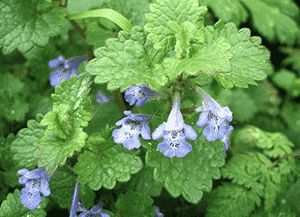
The ideal period for relocating ground ivy is from the pleasant stretch of mid-spring through early summer. Select a location that provides filtered sunlight and soil with good drainage. Bear in mind, a delicate approach is crucial when managing ground ivy during its re-establishment.
What Preparations are Needed Before Transplanting Ground Ivy?
What is the Ideal Time for Transplanting Ground Ivy?
The optimal period to relocate ground ivy is during the pleasant mid-spring to early summer. This timeframe promotes peak development, a robust root system, and a thriving plant. Seize this excellent chance for your ground ivy to flourish!
How Much Space Should You Leave Between Ground Ivy Plants?
To enable ground ivy to expand and spread, it's best to position each plant approximately 1-2 feet (30-60 cm) apart. This will provide sufficient room for them to prosper and form a dense, green ground cover.
What is the Best Soil Mix for Ground Ivy Transplanting?
For ground ivy, prepare the soil with well-draining loamy or sandy soil, enriched with organic matter. You can also incorporate a balanced slow-release fertilizer for a solid nutritional foundation.
Where Should You Relocate Your Ground Ivy?
Choose a site with partial shade to full sun for your ground ivy relocation. This means 4 to 6 hours of direct sunlight daily is perfect for healthy development.
What Equipments Should You Prepare Before Transplantation Ground Ivy?
Gardening Gloves
To safeguard your hands while handling soil and plants.
Shovel or Spade
These tools will assist in digging a hole for relocation and carefully extracting the plant from its initial spot.
Garden Trowel
This small, handheld implement will be useful for lifting the ground ivy plant from containers or seedling trays without disturbing its roots.
Watering Can
To supply water as required during and after the relocation process.
Garden Fork
Beneficial for loosening the soil around the new planting site and incorporating organic material if necessary.
Organic Mulch
To aid in retaining moisture and inhibiting weed growth around the ground ivy plant.
How Do You Remove Ground Ivy from the Soil?
How Do You Remove Ground Ivy from the Soil?
- From Ground:First, irrigate the ground ivy plant to moisten the surrounding earth. Then, use a shovel or spade to excavate a wide trench around the plant, ensuring the plant's root ball remains intact. Carefully maneuver the spade beneath the root ball to lift the plant from its original position.- From Pot:Water the ground ivy plant and allow it to drain to moisten the soil. Then, gently place your hand on top of the soil surface with the plant's stem between your fingers. Invert the pot while supporting the plant, letting it slide out. Be careful not to harm the roots.- From Seedling Tray:Water the ground ivy seedlings and let the tray drain. Use a garden trowel to carefully lift each seedling from its cell, taking care not to disturb or damage the roots. Hold the seedlings by their leaves, as touching the stems can cause damage.
Step-by-Step Guide for Transplanting Ground Ivy
Root Trimming
If any roots of the ground ivy plant are damaged or excessively long, prune them with clean shears before planting.
Soil Preparation
Loosen the soil at the planting location with a garden fork to a depth of at least 12 inches. This will enhance root penetration and water drainage.
Hole Digging
Excavate a hole at the planting site that is at least twice the size of the ground ivy plant's root ball.
Positioning
Place the plant in the hole, ensuring the root ball is level with the surrounding soil. Spread the roots out in the hole, if needed.
Backfilling
Refill the hole around the ground ivy plant with the soil you removed, gently firming it down to eliminate air pockets.
Watering
Thoroughly water the ground ivy plant, making sure the water permeates deeply into the soil around the root ball.
Mulching
Apply a 2-3 inch layer of organic mulch around the ground ivy plant, leaving a few inches of space between the mulch and the plant stem to prevent rot.
How Do You Care For Ground Ivy After Transplanting?
Watering
Keep the soil around the ground ivy plant consistently moist, but not waterlogged, for the initial weeks after relocation to aid in establishing strong roots.
Weed Control
Regularly remove weeds from around the ground ivy plant to lessen competition for nutrients and water.
Pruning
Trim any dead, damaged, or diseased foliage to encourage healthy growth and improve air circulation around the ground ivy plant.
Monitor Health
Observe the ground ivy plant for indications of pests or diseases and address any issues promptly to prevent further harm to the plant's vitality.
Fertilizing
Once the ground ivy plant is established in its new spot, consult its specific nutrient needs and fertilize as required to promote healthy development.
Troubleshooting Common Issues with Ground Ivy Transplantation.
When is the best time to transplant ground ivy?
The optimal period to relocate ground ivy occurs between mid-spring and early summer, ensuring peak growth and vitality.
What is the ideal spacing for transplanting ground ivy?
Maintain a distance of 1-2 feet (30-60 cm) between each ground ivy plant when relocating to foster healthy development.
Do I need to prepare the soil before transplanting ground ivy?
Yes, thoroughly blend the soil with compost or organic matter to nourish ground ivy and enhance overall soil structure.
Should I water ground ivy before and after transplanting?
Yes, thoroughly water ground ivy before relocation, and continue to irrigate generously afterward to ensure proper settling.
How deep should I dig the hole for transplanting ground ivy?
Excavate a hole that is twice the size of the root ball, providing ample room for ground ivy to establish itself.
Is it necessary to prune ground ivy before transplanting?
Pruning prior to relocating ground ivy is beneficial; remove any dead or damaged parts to encourage vigorous growth.
How can I minimize transplant shock for ground ivy?
Relocate ground ivy on an overcast day or during late afternoon to reduce stress, and keep the root ball moist.
What care should I give to ground ivy immediately after transplanting?
Place mulch around ground ivy to retain soil moisture and maintain regular watering, ensuring proper establishment and growth.
How long does it take for ground ivy to establish itself?
Ground ivy typically requires 2-4 weeks to establish itself, during which providing ample care and attention is crucial.
When will I see new growth on my transplanted ground ivy?
Anticipate new growth on ground ivy within 4-6 weeks after relocation, provided it receives proper care and favorable conditions.



