How to Transplant Barberton daisy?
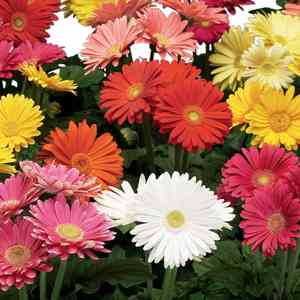
Relocate barberton daisy during the prime period of early to mid-spring, facilitating excellent root development prior to the active growth phase. Select a bright spot with adequately draining soil, and provide thorough but infrequent watering post-transplant to encourage robust development.
What Preparations are Needed Before Transplanting Barberton Daisy?
What is the Ideal Time for Transplanting Barberton Daisy?
The optimal period to relocate barberton daisy spans from the pleasant initial weeks of spring through its midpoint. This prime season offers barberton daisy conditions for robust and vibrant development. Moving them at this time ensures stronger root systems, increased foliage, and encourages abundant flowering. Indeed, it's the perfect moment to move barberton daisy, allowing you to enjoy its radiant beauty throughout the year.
How Much Space Should You Leave Between Barberton Daisy Plants?
When relocating barberton daisy, provide ample room for growth by positioning them approximately 12-18 inches (30-45 cm) apart. This spacing will ensure adequate air circulation and healthy development for your new plants.
What is the Best Soil Mix for Barberton Daisy Transplanting?
For barberton daisy, select a soil that drains effectively and incorporate a slow-release fertilizer to aid their flourishing. You can utilize a general-purpose potting mix enriched with organic matter such as compost or aged manure.
Where Should You Relocate Your Barberton Daisy?
When choosing a location in your garden to transplant barberton daisy, seek an area that receives 6 to 8 hours of daily sunlight. They will thrive in a sunny spot for the best blooms!
What Equipments Should You Prepare Before Transplantation Barberton Daisy?
Gardening Gloves
To safeguard your hands while handling soil and plants.
Shovel or Garden Spade
For digging holes and working with the earth.
Garden Trowel
To gently extract the plant from its original container or seedling tray.
Watering Can or Hose
To hydrate the plant during and after its relocation.
Compost or Organic Matter
To enrich the soil and supply nutrients to the plant.
Mulch
To help maintain soil moisture and prevent weeds from growing around your barberton daisy.
How Do You Remove Barberton Daisy from the Soil?
How Do You Remove Barberton Daisy from the Soil?
From Ground: First, moisten the barberton daisy plant's soil. Then, excavate a wide trench around the plant using a shovel or spade, ensuring the plant's root ball remains intact. Carefully maneuver the spade beneath the root ball to lift the plant from its initial spot.From Pot: Hydrate the barberton daisy plant, then gently tilt the pot sideways. Place one hand over the plant's base to keep it secure, and gently use the other hand to tap and slide the pot off, revealing the root ball.From Seedling Tray: If the barberton daisy plants are being moved as seedlings, fill a small container with water and carefully submerge the cell's bottom. This will loosen the soil, making seedling removal easier. Gently squeeze the cell's sides to loosen it, then lift the seedling out by holding its stem.
Step-by-Step Guide for Transplanting Barberton Daisy
Preparation
Prepare the new planting site by digging a hole approximately twice the width of the barberton daisy plant's root ball and as deep as the root ball itself. Amend the soil in the hole with compost or organic matter.
Aeration
Gently loosen the roots of the barberton daisy plant to encourage them to spread and grow into the surrounding new soil.
Placement
Position the barberton daisy plant in the prepared hole, ensuring it sits at the same depth as it was in its original container. Adjust the soil beneath if needed to achieve the correct planting depth.
Backfill
Refill the hole with soil, gently firming it down with your hands to eliminate any air pockets. Be careful not to compact the soil around the root ball too tightly, as this can hinder root development.
Water
Thoroughly water the barberton daisy plant, ensuring the soil is uniformly moist. This will help settle the soil and allow the roots to make good contact with their new environment.
Mulch
Apply a layer of mulch around the barberton daisy plant, leaving some space between the plant's base and the mulch to prevent rot and other issues. This will help retain moisture and regulate soil temperature.
How Do You Care For Barberton Daisy After Transplanting?
Watering
Maintain consistently moist, but not waterlogged, soil around the barberton daisy for the initial weeks post-transplant to aid in establishing strong roots.
Feeding
After the first month, begin applying a balanced liquid fertilizer to the barberton daisy plant every 4 to 6 weeks to encourage healthy growth and blooming.
Pruning
Regularly remove any dead or damaged leaves from the barberton daisy plant to promote good air circulation and prevent diseases.
Pest Control
Monitor for common pests and address them promptly using environmentally friendly pesticide options.
Encouragement
Be patient and provide your barberton daisy plant with ample care and support, as it may require some time to adapt to its new location and begin showing signs of vigorous growth.
Troubleshooting Common Issues with Barberton Daisy Transplantation.
When's the best time to transplant barberton daisy?
The ideal period to relocate barberton daisy is during early to mid-spring when growth typically commences.
What spacing should I consider when transplanting barberton daisy?
To facilitate optimal growth, maintain a distance of at least 12-18 inches (30-45 cm) between barberton daisy plants when transplanting.
Why are my transplanted barberton daisy wilting?
Barberton daisy might wilt due to an unsuitable soil type or improper watering practices. Ensure well-drained soil and consistent moderate moisture.
How deep should I plant barberton daisy during the transplant?
Plant barberton daisy at the same depth it was in its nursery pot to prevent stem rot and enable strong root development.
What should I do if the leaves of barberton daisy start turning yellow after transplantation?
Yellow leaves could indicate overwatering, poor drainage, or a nutrient deficiency. Try adjusting your watering schedule and consider a balanced fertilizer.
My transplanted barberton daisy isn't blooming. What could be wrong?
Barberton daisy requires sufficient sunlight to flower. Ensure your plant receives at least 6 hours of direct sunlight daily.
Do I need to prune barberton daisy before transplanting?
Pruning isn't mandatory but it can help reduce transplant shock. Trim off any dead or diseased parts before relocating.
Why are the leaves of my transplanted barberton daisy turning brown?
Brown leaves could suggest excessive sunlight, insufficient watering, or a potential disease. Check the planting area's sun exposure and adjust watering accordingly.
Can I transplant barberton daisy into a bigger pot?
Yes, moving barberton daisy to a larger container can encourage growth. Be sure to introduce the plant gradually to its new environment.
How can I ensure successful transplantation of barberton daisy?
Choose the right time, prepare well-drained fertile soil, ensure ideal spacing, prune if necessary, and provide adequate sunlight and water for barberton daisy.



