How to Transplant Bloody cranesbill?
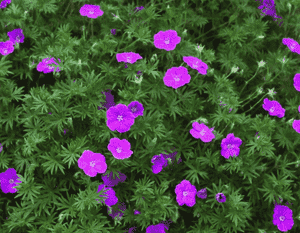
The optimal period for relocating Geranium sanguineum is from mid-spring through early summer, or from mid-autumn to early winter, as the plant acclimates more readily during these times. Select a location with good drainage and ample sunlight. Simply ensure the substrate remains uniformly damp for the initial weeks to guarantee a smooth establishment.
Necessary Preparations Before Relocating Bloody Cranesbill?
Optimal Period for Relocating Bloody Cranesbill?
The best time to move bloody cranesbill is from mid-spring to early summer, or from mid-autumn to early winter. Moving bloody cranesbill during these periods supports its development, as it has the entire growing season ahead to establish roots before the harsh conditions of summer or winter. As a perennial, bloody cranesbill greatly benefits from this dedicated time for adaptation and growth. Prepare to witness bloody cranesbill flourish at its peak!
Recommended Spacing Between Bloody Cranesbill Plants?
When relocating your bloody cranesbill, aim for a distance of approximately 18-24 inches (45-60 cm) between plants. This provides ample room for growth and ensures they have sufficient space to expand and thrive.
Ideal Soil Blend for Bloody Cranesbill Relocation?
For optimal outcomes, utilize a well-draining soil rich in organic material for your bloody cranesbill. Mix compost or aged manure into your soil before planting to offer a nutrient-rich foundation for your plant's development.
Preferred Location for Your Bloody Cranesbill?
Select a site for your bloody cranesbill that receives full sun or partial shade. They will grow best with at least 6 hours of sunlight daily. A spot with some afternoon shade can help shield them from excessive heat during hot summer days.
Equipment to Prepare Before Relocating Bloody Cranesbill?
Shovel or Garden Trowel
A fundamental tool for excavating the existing bloody cranesbill and preparing the new planting site.
Gardening Gloves
These protect your hands from rough soil textures and potential harmful insects in the soil.
Wheelbarrow or Bucket
You will need a container to move the bloody cranesbill from its current spot to its new location without harming the plant.
Pruning Shears
To remove any dead or damaged foliage or stems, promoting healthier growth post-relocation.
Watering Can
You will need to thoroughly water the bloody cranesbill immediately after relocation.
How to Extract Bloody Cranesbill from the Ground?
How to Extract Bloody Cranesbill from the Ground?
From The Ground: Carefully dig around the bloody cranesbill using a shovel or trowel. Begin widely around the plant to prevent root damage and gradually work beneath the plant's root ball. Once the plant feels loose, gently lift it from the ground, keeping as many roots intact as possible.From a Pot: Lightly water the bloody cranesbill to facilitate removal. Turn the bloody cranesbill pot sideways, gently hold the plant by its base, and carefully slide it out. If the plant is stuck, tap the bottom of the pot to loosen it, rather than pulling the plant and risking root damage.From a Seedling Tray: Gently lift the bloody cranesbill from the tray, taking care to hold it by its leaves rather than the more fragile stems. Use a dibber, or your finger, to lightly push the bottom of the seedling's cell to help lift it out of the tray.
Step-by-Step Guide for Relocating Bloody Cranesbill
Preparation
Once your bloody cranesbill is removed and your new site is ready, gently place the bloody cranesbill into the planting hole, slightly spreading its roots. The bloody cranesbill should be planted at the same depth it was growing in its previous location. Adjust the soil level at the bottom of the hole as needed, adding or removing soil to achieve the correct depth.
Planting
Backfill the hole with native soil, lightly pressing soil around the base of the bloody cranesbill to provide stability.
Watering
Thoroughly water the bloody cranesbill to settle the soil. The water will also help reduce transplant shock. Continue to water regularly over the next few days, but be careful not to overwater.
Monitor
Observe the bloody cranesbill for any signs of stress over the following weeks, such as wilting or yellowing leaves. If observed, you may need to adjust your care routine.
Post-Relocation Care for Bloody Cranesbill?
Mulching
After relocation, consider applying a layer of mulch around your bloody cranesbill. This helps retain moisture and inhibits weed growth. It can also aid in regulating soil temperature.
Pruning
Lightly prune the bloody cranesbill after relocation. This involves removing a portion of the plant's upper growth – this not only lessens stress on the roots but also encourages new development.
Protection
Shield the newly relocated bloody cranesbill from extreme weather, such as intense sun or wind, to minimize transplant shock. Using shade cloths or windbreaks can be beneficial.
Feeding
Delay fertilization until you observe new growth on the plant; this indicates that the roots have adapted to their new environment. At this point, a suitable gentle fertilizer for bloody cranesbill can be applied.
Resolving Common Issues with Bloody Cranesbill Relocation.
When is the optimal time to relocate bloody cranesbill?
Your bloody cranesbill will thrive when relocated from mid-spring to early summer or from mid-autumn to early winter. These seasons provide ideal conditions for root establishment.
What spacing is needed between bloody cranesbill plants during relocation?
For optimal growth, maintain a spacing of approximately 18-24 inches (45-60 cm) between your bloody cranesbill plants during relocation. This ensures adequate air circulation and room for expansion.
What if bloody cranesbill fails to establish after relocation?
Ensure the plant receives sufficient, but not excessive, water. Check for pest or disease symptoms. Review its lighting requirements and make adjustments if necessary.
What is the ideal planting depth for bloody cranesbill during relocation?
Plant bloody cranesbill in a hole as deep as its root ball. The top of the root ball should be level with or slightly above the ground surface to promote root establishment.
How much should I water bloody cranesbill after relocation?
Initially, bloody cranesbill should be thoroughly watered to ensure the root ball is completely moist. Subsequent watering should be regular but moderate, avoiding waterlogged soil.
Is soil amendment necessary before relocating bloody cranesbill?
Bloody cranesbill prefers well-drained soil rich in organic matter. Therefore, incorporating compost or well-rotted manure into your soil before planting would be advantageous.
How do I safely handle bloody cranesbill during relocation?
Handle your bloody cranesbill gently to prevent damage to its root system; it's best to hold the plant by its root ball rather than pulling it by the stem.
Should I fertilize bloody cranesbill after relocation?
Yes, providing your relocated bloody cranesbill with a balanced slow-release fertilizer can aid faster establishment by supplying essential nutrients for growth.
Is pruning necessary for bloody cranesbill after relocation?
Generally, immediate pruning after relocation is not required. However, any dead or dying leaves or branches should be removed to direct the plant's energy towards new growth.
What to do if bloody cranesbill leaves turn yellow after relocation?
Yellowing leaves may indicate water stress or nutrient deficiency. Adjust watering as needed, ensure proper drainage, and consider applying a plant-specific fertilizer.



