How to Transplant Geo plant?
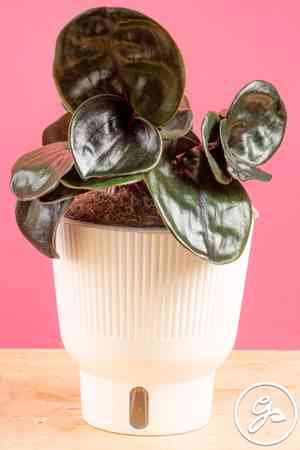
For geo plant, the ideal period for relocation is from the middle to the end of spring, as environmental factors foster vigorous development. Choose a shaded location featuring damp, adequately draining earth. While moving the plant, reduce disruption to its root system to facilitate an effortless adjustment.
What Preparations are Needed Before Relocating Geo Plant?
What is the Ideal Time for Relocating Geo Plant?
The best period for moving geo plant is during the gentle onset of early to mid-spring. This timeframe provides your geo plant with warmer soil and stable temperatures, vital for root establishment prior to the peak of summer. By selecting this opportune moment, you'll be giving your geo plant the finest possible start in its new spot, allowing it to adapt and flourish vigorously during the upcoming robust growth season. Remember, a thriving geo plant begins with thoughtful timing!
How Much Space Should You Leave Between Geo Plant Plants?
Before introducing geo plant to its new home, ensure it has ample room! Aim for a separation of 12-18 inches (30-46 cm) between plants. This will provide your geo plant sufficient area to thrive and display its beauty.
What is the Best Soil Mix for Geo Plant Relocation?
For the most comfortable bed, prepare a rich, well-draining soil with a peat-based mixture as your foundation. A light application of balanced slow-release fertilizer at planting will give your geo plant a healthy head start!
Where Should You Relocate Your Geo Plant?
Find a location that's like a cozy retreat for your geo plant, offering bright, indirect sunlight. This typically means a spot protected from harsh afternoon sun but still bathed in gentle morning light. Perfect for geo plant to flourish without getting scorched!
What Equipment Should You Prepare Before Relocating Geo Plant?
Gardening Gloves
To safeguard your hands while handling soil and the plant.
Shovel or Spade
To excavate the plant and dig a new hole for its relocation.
Pruning Shears
To trim any damaged or overly long roots before moving.
Watering Can or Hose
To thoroughly water the plant after its relocation.
Wheelbarrow or Garden Cart
To move the plant and soil without harming the root ball.
Trowel
For precise adjustments to the soil in its new position.
Root Pruner or Knife
To cut through any larger, tougher roots if necessary.
How Do You Extract Geo Plant from the Soil?
How Do You Extract Geo Plant from the Soil?
From Ground: First, moisten the geo plant's soil to make it easier to work with. Use a shovel or spade to carefully dig a wide circle around the plant, being cautious not to harm the root system. Pry the spade underneath and lift the entire root ball from the soil.From Pot: Water the plant and let it drain before beginning. Turn the pot on its side, gently hold the plant at its base, and tap the bottom of the pot to loosen the soil and root ball. Carefully slide the plant out, preserving the original soil shape.From Seedling Tray: Water the seedlings thoroughly before moving them. Use a trowel or appropriate tool to gently lift the small soil clump with the seedling's roots from the tray without disturbing the soil around the roots.
Step-by-Step Guide for Relocating Geo Plant
Preparation
Prepare the new site for geo plant, digging a hole that is twice as wide and as deep as the root ball. Amend the soil from the hole with organic matter if needed to ensure it supports new growth.
Root Pruning
Examine geo plant's root ball and use pruning shears or a knife to remove any broken, dead, or excessively long roots, ensuring the remaining roots are healthy and ready for relocation.
Placement
Center geo plant in the new hole at the same depth it was originally growing. Spread the roots out evenly and begin to backfill the hole, gently firming the soil around the roots to eliminate air pockets.
Watering
After planting geo plant, water it thoroughly to settle the soil around the roots and hydrate the plant, ensuring that the water penetrates deeply to encourage the roots to grow into the surrounding soil.
How Do You Care For Geo Plant After Relocation?
Regular Watering
Ensure geo plant receives adequate moisture, especially during the initial weeks after relocation to help it establish in its new spot. Balance is crucial; keep the soil moist, but avoid overwatering to prevent rot.
Mulching
Apply a layer of organic mulch around geo plant, leaving some space around the stem. Mulch will help retain soil moisture and regulate soil temperature.
Observation
Monitor geo plant's leaves and growth. Some relocation stress is normal, but persistent wilting or discoloration can signal issues that may require attention, such as pests or disease.
Protection
If severe weather is forecast, such as heavy rain or strong winds, provide geo plant with some form of protection, like a temporary shelter or windbreak to assist it during the vulnerable post-relocation phase.
Troubleshooting Common Issues with Geo Plant Relocation.
Why is my relocated geo plant wilting post-relocation?
Wilting after relocation may be due to root shock. Ensure the roots were not damaged during the move and are kept adequately moist. A mid-spring to late spring timeframe, when temperatures are moderate, is ideal for relocation to minimize stress.
What's the right spacing when relocating geo plant?
When relocating geo plant, allow 12-18 inches (30-45 cm) between plants. Proper spacing promotes healthy air circulation and growth.
How much sun does geo plant need after relocating?
Position geo plant in bright, indirect light. Intense direct sunlight might scorch the leaves, especially shortly after relocation.
Is it necessary to prune geo plant when relocating?
Light pruning can help geo plant adjust post-relocation by reducing stress on the root system. Remove only damaged or excessive growth.
What is the ideal soil type for relocating geo plant?
Use a well-draining, rich organic potting mix. Geo plant prefers consistent moisture but not soggy conditions, which could lead to root rot.
How to water geo plant after relocating?
Water thoroughly until excess drains out, ensuring hydration without waterlogging. Keep the soil consistently moist but not oversaturated.
Why are the leaves of geo plant turning yellow after relocation?
Yellowing may indicate overwatering or poor drainage. Ensure the soil is well-draining and geo plant isn't sitting in water.
Can I fertilize geo plant after relocating?
Wait 4-6 weeks post-relocation before fertilizing to allow geo plant to settle. Then use a balanced liquid fertilizer following package instructions.
How to choose the right pot size when relocating geo plant?
Select a pot 2-3 inches (5-7.5 cm) larger in diameter than the current one. This gives geo plant room to grow without excessive space that can lead to waterlogged soil.
Is acclimating geo plant necessary after relocating?
Yes, gradually acclimate geo plant to its new environment to reduce relocation shock. Provide it with similar light and temperature conditions it was previously accustomed to, then slowly adjust.



