How to Transplant Eggleaf silktassel?
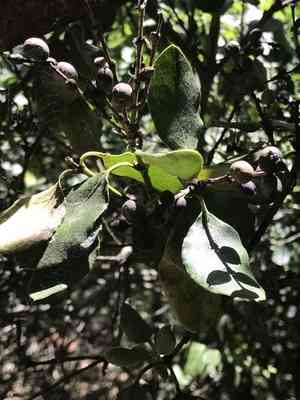
Garrya elliptica flourishes when relocated in the initial to middle part of spring, benefiting from mild temperatures. It favors areas with good drainage and ample sunlight. Should it be necessary, thoroughly moisten the earth prior to transplanting to facilitate a smooth adjustment.
Necessary Preparations Before Relocating Eggleaf Silktassel?
Optimal Period for Moving Eggleaf Silktassel?
Eggleaf silktassel should ideally be moved in 'early to mid-spring.' This timeframe allows the perennial to establish its root system before the summer heat intensifies, promoting vigorous development. Transplanting the plant during this period offers an ideal balance of moisture and moderate temperatures, ensuring its success in the new spot.
Recommended Spacing Between Eggleaf Silktassel Plants?
Ensure eggleaf silktassel plants are spaced approximately 10-15 feet (3-4.5 meters) apart. This provides ample room for growth and promotes good air circulation, which is crucial for disease prevention.
Ideal Soil Blend for Eggleaf Silktassel Relocation?
Prepare well-draining soil enriched with compost to provide eggleaf silktassel with a nutrient-rich beginning. Incorporating a balanced, slow-release granular fertilizer will also aid in fostering healthy development.
Preferred Location for Your Eggleaf Silktassel?
Eggleaf silktassel thrives in full sun to partial shade. Select a site where it will receive at least 6 hours of sunlight daily to flourish. This will encourage lush foliage and robust growth.
Equipment Required Before Transplanting Eggleaf Silktassel?
Gardening Gloves
To safeguard your hands while handling soil and plants.
Shovel or Spade
Essential for digging and relocating the plant.
Trowel
Useful for more precise excavation around the root ball.
Watering Can or Hose
For hydrating the plant before and after its move.
Garden Fork
To aerate the soil if it is compacted.
Dibber
Helpful for creating planting holes in softer ground.
Mulch
To retain moisture and stabilize soil temperature post-transplant.
Wheelbarrow
Optional, but assists in transporting large plants.
How to Extract Eggleaf Silktassel from the Ground?
How to Extract Eggleaf Silktassel from the Ground?
From Ground: First, hydrate the eggleaf silktassel plant to moisten the soil. Then, excavate a wide trench around the plant using a shovel or spade, ensuring the plant's root ball remains intact. Carefully work the spade beneath the root ball to lift the plant from its original spot.From Pot: Water the eggleaf silktassel in its container to facilitate soil removal. Gently tilt and tap the pot to loosen the soil, then carefully slide the plant out, supporting its base and root ball.From Seedling Tray: Water the seedlings to minimize root disturbance. Use a trowel or your fingers to lift the eggleaf silktassel seedlings, taking care to keep as much soil around the roots as possible.
Step-by-Step Guide for Relocating Eggleaf Silktassel
Site Preparation
Prepare the planting area by removing any weeds and loosening the soil with a garden fork or spade. Ensure the hole is twice as wide and as deep as the plant's root ball.
Plant Placement
Position the eggleaf silktassel in the hole, making sure the top of the root ball is level with the surrounding soil. Gently backfill the hole, pressing the soil down to eliminate air pockets.
Watering
After placing the eggleaf silktassel in its new location, water it thoroughly to settle the soil around the roots.
Mulching
Apply a 2-3 inch layer of mulch around the base of the eggleaf silktassel to help retain moisture and protect the roots. Ensure the mulch does not directly touch the plant stem.
Post-Transplant Care for Eggleaf Silktassel?
Watering
Keep the soil around the eggleaf silktassel consistently moist, but not waterlogged, for the initial weeks after transplanting to aid in root establishment.
Support
If the plant is tall or top-heavy, consider providing stakes for support until its roots are well-established.
Monitoring
Regularly inspect for signs of stress or pests. Address any issues promptly to ensure the eggleaf silktassel adapts well to its new environment.
Fertilizing
Avoid immediate fertilization after transplanting. Wait a few weeks until the plant shows new growth before applying a balanced fertilizer to encourage healthy development.
Resolving Common Issues with Eggleaf Silktassel Transplantation.
When is the best time to transplant eggleaf silktassel?
Early spring, mid spring, early summer, and mid summer are the ideal times to transplant eggleaf silktassel.
How much space should I leave between eggleaf silktassel plants?
Make sure to space eggleaf silktassel plants 10-15 feet (3-4.5 meters) apart for healthy growth.
How should I prepare the soil for transplanting eggleaf silktassel?
Ensure well-drained soil, enriched with compost, before transplanting eggleaf silktassel. Avoid waterlogged areas.
What is the best way to water newly transplanted eggleaf silktassel?
Water eggleaf silktassel thoroughly right after transplanting and keep the soil consistently moist for the first weeks.
How deep should I plant eggleaf silktassel?
Plant eggleaf silktassel at the same depth it was in its original location to prevent root stress.
How do I minimize transplant shock for eggleaf silktassel?
Water well, avoid damaging roots, and use a transplant fertilizer to reduce eggleaf silktassel's transplant shock.
Can I transplant eggleaf silktassel during hot weather?
Avoid transplanting eggleaf silktassel during hot weather. Aim for cooler periods in spring or early summer.
What mulch should I use around transplanted eggleaf silktassel?
Use organic mulch such as wood chips or straw to retain moisture and regulate soil temperature for eggleaf silktassel.
How should I handle the roots during transplanting eggleaf silktassel?
Handle eggleaf silktassel's roots gently and ensure they’re covered in soil without compacting it too much.
What should I do if the leaves of eggleaf silktassel start to wilt?
Keep eggleaf silktassel well-watered but not waterlogged and provide some shade until it establishes better root growth.



