How to Transplant Common garcinia?
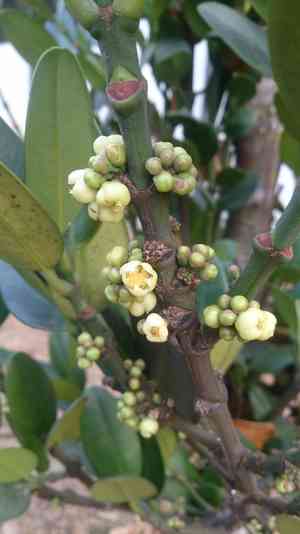
The most favorable period for relocating common garcinia is during the gentle warmth of late spring, which encourages vigorous root development. Select a location offering partial shade and soil that drains effectively to guarantee common garcinia flourishes following its relocation.
What Preparations are Needed Before Transplanting Common Garcinia?
What is the Ideal Time for Transplanting Common Garcinia?
Move common garcinia during the mild warmth of late spring to early summer, when consistent weather promotes root development. This timing ensures common garcinia flourishes, establishing strong roots before colder weather.
How Much Space Should You Leave Between Common Garcinia Plants?
For your common garcinia plant, it's best to allow ample room for growth. Maintain a spacing of approximately 12-15 feet (3.6-4.6 meters) between each one. This prevents nutrient competition and fosters better development!
What is the Best Soil Mix for Common Garcinia Transplanting?
Your common garcinia plants thrive in well-drained, fertile soil. Enhancing it with organic compost or aged manure would be beneficial. This provides the necessary nutrients for a strong start!
Where Should You Relocate Your Common Garcinia?
Also, select a location that receives ample sunlight. While your common garcinia plants can endure some shade, they perform better with plenty of sun exposure. Enjoy your gardening!
What Equipments Should You Prepare Before Transplantation Common Garcinia?
Gardening Gloves
To safeguard your hands when handling soil and the plant.
Shovel or Spade
These tools are for excavating holes and moving earth. Ensure they are sharp and clean.
Watering Can
For hydrating the common garcinia plant in its original spot and after relocation.
Garden Trowel
To carefully loosen the soil around the common garcinia's roots without causing damage.
Pruning Shears
To trim any damaged roots or branches. Ensure they are clean and sharp to prevent harm to the plant.
Wheelbarrow or Tarp
For moving the common garcinia plant from its initial position to the new site without losing excess soil.
Organic Matter
Such as compost or peat moss, to enrich the soil where the common garcinia will be replanted.
How Do You Remove Common Garcinia from the Soil?
How Do You Remove Common Garcinia from the Soil?
From Ground: Thoroughly water the common garcinia plant to soften the surrounding soil. Dig a circle around the plant with the shovel, maintaining a safe distance from the stem to protect the roots. Remove as much soil as possible while keeping the root ball intact. Use the trowel to gently loosen soil around the roots if necessary. Carefully lift the plant from the ground, holding it firmly, and place it on the wheelbarrow or tarp.From Pot: Begin by watering the common garcinia plant. Gently tilt the pot sideways, and carefully slide the plant out. Avoid pulling on the stem. If the plant doesnât release easily, tap the sides and bottom of the pot to loosen the root ball.From Seedling Tray: Water the seedlings first. Use a small implement, like a spoon or stick, to gently lift the seedling from below, taking care not to harm the delicate root system. Handle the common garcinia seedling by its leaves, not its stem.
Step-by-Step Guide for Transplanting Common Garcinia
Prepare the Transplant Hole
Ensure the hole is sufficiently wide and deep to comfortably accommodate the common garcinia's root ball. The hole's width should be double the root ball's diameter.
Enrich the Soil
Incorporate organic matter into the hole to enhance soil structure and nutrient content. Mix it thoroughly with the existing soil.
Place the Plant
Position the common garcinia plant in the center of the hole. Make sure the top of the root ball is level with the ground surface, neither too deep nor too shallow.
Backfill the Hole
Refill the hole with the enriched soil. Apply gentle pressure around the base of the common garcinia plant to eliminate any air pockets.
Water the Plant
Water the common garcinia plant immediately after transplanting. Ensure a deep watering to reach the entire root system.
How Do You Care For Common Garcinia After Transplanting?
Inspection
Regularly check the common garcinia plant for indications of stress such as wilting, yellowing, or dropping leaves. Minor stress signs are normal post-transplant, but persistent symptoms may signal deeper issues.
Pruning
Trim any dead or damaged branches to encourage new growth.
Temperature
Common garcinia is a species that prefers warm temperatures. If the weather is notably cold or hot, provide suitable protection, such as shade cloth or frost blankets.
Maintenance
Avoid using strong fertilizers immediately after transplanting. Allow the common garcinia to establish itself in its new location for a few weeks before starting any feeding regimen.
Patience
Remember, growth can sometimes slow down after a transplant as the plant recovers and adapts to its new environment. Be patient, provide proper care, and your common garcinia plant should flourish in its new home.
Troubleshooting Common Issues with Common Garcinia Transplantation.
What's the ideal time of year for transplanting common garcinia?
The optimal period to transplant common garcinia is between late spring and early autumn, also known as S2-S4 seasons.
What's the optimal space for each common garcinia when transplanting?
You should plant common garcinia about 12-15 feet (3.7-4.6 meters) apart to provide sufficient room for growth and thriving.
Do I need to prune common garcinia before transplanting?
Yes, prune your common garcinia before transplanting. This reduces plant stress and enhances its chances of successful transplantation.
How deep should the hole be when transplanting common garcinia?
The hole should be twice as wide and as deep as the plant's root ball. This allows common garcinia ample space for its roots to anchor in the soil.
Can you provide a step-by-step guide for transplanting common garcinia?
Certainly! 1) Prune common garcinia; 2) Dig a hole twice as wide and equal in depth to the root ball; 3) Gently place common garcinia in the hole; 4) Backfill with soil, ensuring the root ball is level with the surrounding soil; 5) Water thoroughly.
How often should common garcinia be watered after transplanting?
Water common garcinia immediately after transplanting. Afterward, water it every two to three days for the initial couple of weeks, then adjust as needed based on your region's climate.
Should I fertilize common garcinia immediately after transplanting?
No, it's not necessary to fertilize right after transplanting. Instead, wait a few weeks to ensure the common garcinia has properly adjusted to its new environment.
What type of soil does common garcinia prefer when transplanting?
Common garcinia prefers a well-drained soil type. Enrich the soil with organic matter before transplanting, to ensure your plant receives ample nutrients.
Do I need to stabilize common garcinia with a stake after transplanting?
Staking common garcinia after transplanting can offer additional support. This is particularly beneficial if the plant is tall or if your area experiences strong winds.
When will I start seeing growth after transplanting common garcinia?
It typically takes common garcinia a few weeks to adapt to the transplant. After this period, you should begin to observe new growth.



