How to Transplant Sweet woodruff?
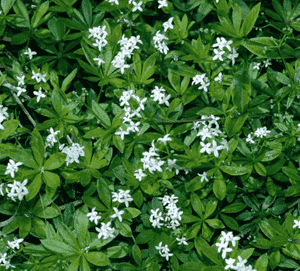
The most favorable period for relocating sweet woodruff is during the peak of spring's resurgence. Place sweet woodruff in a shaded spot with damp, adequately draining earth to foster its abundant proliferation. Carefully ready its new location, guaranteeing an inviting setting for flourishing development.
What Preparations are Needed Before Transplanting Sweet Woodruff?
What is the Ideal Time for Transplanting Sweet Woodruff?
The optimal period for moving sweet woodruff is as winter ends, welcoming the refreshing touch of early to mid-spring. Relocating your sweet woodruff during this phase of renewed growth allows its roots to settle in the cool, moist soil, preparing it for a full season of abundant development. This timely shift ensures that sweet woodruff flourishes early, utilizing spring's moderate moisture and temperature to not only adapt but thrive. By selecting this time for transplantation, you provide sweet woodruff with the best chance to seamlessly integrate into its new home.
How Much Space Should You Leave Between Sweet Woodruff Plants?
For sweet woodruff, it's essential to provide ample room for development. Position your plants approximately 1-1.5 feet (30.5-45.7 cm) apart. This spacing promotes healthy growth while also deterring weed encroachment. Remember to excavate sufficiently deep holes.
What is the Best Soil Mix for Sweet Woodruff Transplanting?
Sweet woodruff thrives in well-drained soil, rich in organic matter. Before planting, incorporate a slow-release fertilizer or compost into your garden soil. A pH range of 5.0-8.0 would be perfect for sweet woodruff. Ensuring the correct soil provides your plant with a strong beginning.
Where Should You Relocate Your Sweet Woodruff?
Sweet woodruff will flourish best in a partially shaded spot. It is not a sun-loving plant; excessive sunlight and heat can hinder its growth. Therefore, locate a pleasant, shaded area in your garden for transplanting your sweet woodruff.
What Equipments Should You Prepare Before Transplantation Sweet Woodruff?
Gardening Gloves
To safeguard your hands while handling soil and sweet woodruff.
Shovel or Trowel
This tool will be used to excavate the hole for the sweet woodruff and to extract it from its original position.
Watering Can
Crucial for hydrating the sweet woodruff after transplantation. Opt for a can with a gentle, shower-like spout for watering.
Gardening Shears or Scissors
To trim any damaged roots, stems, or leaves from the sweet woodruff before and after transplanting.
Wheelbarrow or Garden Cart
Useful for moving the sweet woodruff from its initial spot to its new location, especially if relocating a larger plant.
How Do You Remove Sweet Woodruff from the Soil?
How Do You Remove Sweet Woodruff from the Soil?
From Ground: Start by watering the sweet woodruff plant to lightly moisten the soil. This will facilitate excavation and reduce stress on the plant. Dig a wide circle around the plant using a trowel or shovel, ensuring the root mass remains intact. Carefully lift the plant from its original spot, making sure to retrieve the entire root ball.From Pot: Lightly water the sweet woodruff plant to loosen the soil. Gently turn the pot onto its side. Tap the bottom and sides of the pot to aid in the plant's removal. Grasp the base of the sweet woodruff and attempt to pull the entire plant out, being careful to keep its root ball intact.From Seedling Tray: Water the sweet woodruff seedlings and allow it to sit for a few minutes. This moisture will enable the seedlings to slide out more easily. Gently push up from the tray's bottom to dislodge the plant. Be cautious not to pull on the plant, as you risk damaging it.
Step-by-Step Guide for Transplanting Sweet Woodruff
Preparing Hole
Excavate a hole in your chosen site. The hole should be twice the width of the sweet woodruff's root ball and equally deep.
Preparation of Plant
Trim any damaged roots or leaves from the sweet woodruff using your gardening shears or scissors.
Placing the Plant
Position the sweet woodruff in the center of the hole. The top of the root ball should be level with the surrounding soil surface.
backfilling
Refill the hole with soil, gently firming it around the sweet woodruff's root ball.
Watering
Thoroughly water the sweet woodruff using your watering can, ensuring the water permeates the soil around the root ball, to help the plant settle into its new location.
How Do You Care For Sweet Woodruff After Transplanting?
Monitoring
Observe the sweet woodruff for several weeks. Watch for signs of stress, such as wilting or browning leaves, indicating the plant may not have adjusted well to the transplant.
Pruning
Trim any damaged or dead parts of the plant to encourage new growth.
Watering
Ensure the sweet woodruff receives adequate water, especially during the initial weeks post-transplantation. Be careful not to overwater, as this can lead to root rot.
Troubleshooting Common Issues with Sweet Woodruff Transplantation.
What is the ideal time of the year for transplanting sweet woodruff?
The best seasons to transplant sweet woodruff are from spring to early summer (aka. S1-S2). It's when sweet woodruff root growth is most active.
How much space should be left between sweet woodruff plants during transplantation?
When transplanting sweet woodruff, you should maintain spacing of 1-1.5 feet (30-45 cm). This distance is adequate for healthy growth and development.
What should be the composition of the soil when transplanting sweet woodruff?
Ensure that the soil has a good mix of sand, silt, and clay - it's best if it's slightly acidic or neutral. Well-drained soil is preferred for sweet woodruff.
Why are my transplanted sweet woodruff wilting?
Wilting could be a sign of water stress. Try to water the sweet woodruff more often but avoid waterlogging the soil. Also, ensure a well-draining soil to prevent root rot.
Do I need to prune sweet woodruff before or after transplanting?
Pruning is not necessary while transplanting sweet woodruff. However, a light prune of the excess growth can give the plant better shape and encourage more robust growth.
What kind of pot or container is suitable for transplanting sweet woodruff?
Sweet woodruff can be transplanted in a wide container with adequate depth. The container must have sufficient drainage holes to prevent waterlogging.
Why is the foliage of my transplanted sweet woodruff turning yellow?
The yellowing of leaves could be due to overwatering or a lack of nutrients. Ensure regular but not excessive watering, and supplement the soil with organic compost for nutrients.
How should I water sweet woodruff after transplanting them?
After transplanting, water sweet woodruff thoroughly and keep the soil evenly moist. However, ensure it's not waterlogged as sweet woodruff does not like to sit in constant moisture.
How much sunlight does a transplanted sweet woodruff need?
Sweet woodruff prefers partial to full shade. After transplanting, place the plant in an area that doesn't receive direct, intense sunlight to help it adjust and prevent leaf burn.
What should I do if the growth of sweet woodruff after transplanting is slow?
Patience is key with sweet woodruff. Their growth may not be evident immediately after transplanting. Ensure proper care - correct watering, ideal light, and nutrient-rich soil to encourage growth.



