How to Transplant Cleavers?
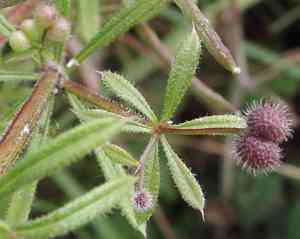
For cleavers, the arrival of warmer weather in early to mid-spring offers an ideal period for relocation, allowing roots to settle prior to summer. Choose a shaded location with damp earth. A light touch is crucial when managing its fragile stalks.
What Preparations are Needed Before Transplanting Cleavers?
What is the Ideal Time for Transplanting Cleavers?
The optimal period for relocating cleavers is during the initial growth surge of the season, specifically early to mid-spring. This timeframe allows your cleavers ample opportunity to establish roots in its new spot before summer's heat arrives. Moving cleavers within this window maximizes survival rates, as mild temperatures and increasing daylight promote vigorous growth and easier adaptation.
How Much Space Should You Leave Between Cleavers Plants?
When planning your garden, remember cleavers requires room! Position each plant approximately 1-2 feet (30-60 cm) apart. This provides them with adequate space to flourish without competing. Happy gardening!
What is the Best Soil Mix for Cleavers Transplanting?
For cleavers, rich, well-draining soil is essential. Therefore, prepare your garden bed by incorporating organic compost or a nitrogen-rich base fertilizer. This will supply your cleavers with the necessary nutrients to thrive.
Where Should You Relocate Your Cleavers?
Cleavers thrives in sunlight, so locate a sunny area in your garden for transplanting. Spots with full or partial sun are ideal. However, ensure some afternoon shade to shield them from intense summer heat. Good luck!
What Equipments Should You Prepare Before Transplantation Cleavers?
Gardening Gloves
To safeguard your hands while working with the soil and cleavers plant.
Gardening Trowel
For excavating small holes and simplifying the transplanting process.
Sharp Scissors or Pruners
Perfect for cutting and trimming the cleavers's roots or stems if necessary.
Watering Can
Essential for hydrating the plant during and after the procedure.
Bucket or wheelbarrow
Useful for moving the plant from its original location to the new site.
Mulch
This aids in moisture retention and inhibits weed growth around cleavers.
How Do You Remove Cleavers from the Soil?
How Do You Remove Cleavers from the Soil?
From Ground: First, gently irrigate the cleavers plant to moisten the earth. Next, use a sharp spade or gardening trowel to dig a wide circle around the plant, ensuring its root ball remains intact. Carefully lift the spade beneath the root ball and gently extract the plant from the ground.From Pot: Begin by dampening the soil surrounding cleavers. Invert the pot while holding your hand over the base of the cleavers stem. Tap the bottom of the pot until the plant slides out, preserving the soil and root ball structure.From Seedling Tray: Thoroughly water the seedlings well before removing them. Use a spoon or similar tool to carefully ease the seedling cleavers and its root ball out of the cell, taking care not to damage the stem or roots.
Step-by-Step Guide for Transplanting Cleavers
Preparation
Start by digging a hole in the desired ground location with your trowel. The hole should be twice as wide and as deep as the cleavers's root ball.
Transferring the plant
Hold the cleavers at the base of its stems and carefully place it into the hole. Ensure the plant is upright, and adjust as needed before you begin backfilling.
Backfilling the hole
Fill the hole with soil, gently pressing down to eliminate any air pockets. Make sure the root ball is adequately covered, but avoid burying the stem.
Watering
Water the cleavers thoroughly to settle the soil around its roots.
Mulching
Finally, spread mulch around the base of the plant. This helps conserve water and suppress weeds.
How Do You Care For Cleavers After Transplanting?
Initial Care
The cleavers may experience some shock post-transplant, so close observation is vital in the first few days. If wilting occurs, ensure the plant receives sufficient, but not excessive, water.
Protection
For the initial weeks, provide cleavers with some shade to aid its recovery and adjustment to the new site.
Weed Control
Regularly check for and remove any weeds, preventing the cleavers from competing for nutrients. However, be gentle to avoid disturbing the root system.
Pruning
Trim any dead or damaged foliage that could potentially drain energy from the cleavers.
Troubleshooting Common Issues with Cleavers Transplantation.
When is the ideal time to transplant cleavers?
Cleavers should ideally be transplanted during its first or second growing season. Ensure the weather is mild, neither too hot nor too cold, for successful transplantation.
How much space should be left between cleavers during transplantation?
Allow ample space between each transplant, ideally 1-2 feet (30-60 cm). This provides each cleavers sufficient room to flourish without competing for resources.
How should I prepare the soil before transplanting cleavers?
The soil should be well-drained and enriched with organic matter. A pH between 6.0 and 7.0 is optimal for cleavers. Ensure the ground is soft and well-tilled before planting.
What should I do if the leaves of cleavers start to wilt after transplantation?
Wilting may indicate that your cleavers is under stress. Ensure adequate watering, but avoid overwatering. Also, check if the plant is receiving sufficient sunlight.
How deep should I plant cleavers while transplanting?
Dig a hole deep enough to encompass the root ball of cleavers. Generally, the hole should be twice the size of your plant's root ball.
How do I care for cleavers after transplantation?
Ensure cleavers receives enough sunlight and water. Minimize shock by providing consistent care, including regular watering and protecting the plant from extreme weather conditions.
What steps should I follow when transplanting cleavers to ensure its survival?
Prepare the soil, dig a suitable hole, carefully place cleavers, cover with soil without compacting it too much, water generously, and monitor the plant closely until it stabilizes.
What's the common mistake to avoid while transplanting cleavers?
Avoid transplanting cleavers during extreme temperatures. Additionally, insufficient spacing between plants and over/under watering are common errors to prevent.
Can I transplant cleavers throughout the year?
Transplanting cleavers is best performed during its first or second season. This offers the plant the best possible start.
What should I do if cleavers does not show signs of growth post-transplantation?
Check for adequate sunlight, water, and nutrient levels in the soil. Consider using a slow-release fertilizer. If growth remains absent, the plant may be diseased or infested.



