How to Transplant Snowdrop?
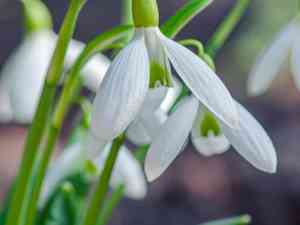
The perfect period for relocating snowdrop spans from the end of spring to the close of summer, coinciding with the plant's inactive phase in these warmer periods. Select a site offering partial shade and soil that drains effectively to guarantee peak development. Be sure to keep the ground damp and handle the fragile root system with care.
Essential Preparations Before Relocating Snowdrop
Optimal Period for Transplanting Snowdrop
The ideal window for relocating snowdrop spans from late spring through the close of summer. This timeframe promotes robust development and successful establishment. Transplanting during this phase allows snowdrop to benefit from a cooler root environment and ample opportunity to anchor deeply before winter's onset. Therefore, kindly follow this methodical approach to foster vigorous snowdrop growth. Remember, precise timing is crucial for a successful transplant!
Recommended Spacing Between Snowdrop Plants
When relocating your snowdrop, provide ample room for expansion! Aim for a separation of 3-6 inches (7.6-15 cm) between plants. This will ensure healthy development and prevent overcrowding.
Optimal Soil Blend for Snowdrop Relocation
Your snowdrop will flourish in well-draining soil with a neutral pH. Incorporate organic matter such as compost or aged manure to enrich the substrate. A slow-release, balanced fertilizer would also be advantageous.
Selecting a New Location for Your Snowdrop
For peak growth, identify a garden spot offering partial shade. Your snowdrop appreciate some sun exposure but should not endure intense direct sunlight all day. Consider planting them near taller vegetation or structures for protection.
Equipment Needed Before Relocating Snowdrop
Gardening Gloves
To safeguard your hands while handling soil and snowdrop.
Trowel
This compact hand tool is perfect for excavating small holes and precisely relocating snowdrop.
Shovel or Spade
A larger implement for digging holes and breaking up soil when moving snowdrop from the ground or sizable containers.
Watering Can or Hose
To hydrate the snowdrop both prior to and following relocation.
Organic Compost or Well-Rotted Manure
To enrich the soil and enhance the snowdrop's chances of thriving in its new setting.
Mulch Material
To assist in regulating moisture levels and temperature around the base of the snowdrop after relocation.
Method for Extracting Snowdrop from the Soil
Method for Extracting Snowdrop from the Soil
From Ground: First, moisten the snowdrop plant to dampen the soil. Next, excavate a broad trench around the plant using a shovel or spade, ensuring the plant's root ball remains intact. Carefully work the spade beneath the root ball to lift the plant from its original position.From Pot: If the snowdrop is in a container, water it thoroughly before relocation. Grasp the base of the plant or invert the pot, and gently tap the side of the container to loosen the root ball. Carefully slide the plant out of the pot, taking care to avoid damaging the roots.From Seedling Tray: Water the snowdrop seedlings, and use a small trowel to gently remove a seedling from its cell. Be careful not to disturb the delicate roots of the seedling during removal.
Step-by-Step Guide for Relocating Snowdrop
Hole Preparation
Excavate a hole at the chosen relocation site that is twice the width and depth of the snowdrop's root ball. Loosen the soil at the bottom and sides of the hole to encourage root development.
Add Amendments
Incorporate some organic compost or well-rotted manure into the soil removed from the hole. This will enrich the soil and supply nutrients to the snowdrop plant.
Positioning
Carefully place the snowdrop plant into the hole, ensuring the root ball rests at the same soil level as it did in its previous location. Gently spread out the roots to encourage their growth into the surrounding soil.
Filling the Hole
Backfill the hole with the amended soil, gently pressing it down around the roots as you proceed to eliminate any air pockets.
Watering
Slowly irrigate the snowdrop plant, allowing the water to permeate the soil and settle the roots.
Mulching
Apply a layer of mulch material such as shredded bark, wood chips, or straw around the base of the snowdrop plant. Keep the mulch a few inches away from the plant stem to minimize the risk of rot.
Post-Transplant Care for Snowdrop
Watering
Maintain consistent moisture in the soil around the snowdrop, avoiding saturation, for the initial few weeks after relocation to aid in strong root establishment. Gradually decrease watering frequency as the plant settles.
Monitoring
Regularly inspect the snowdrop plant to confirm its successful adaptation to the new environment. Look for indicators of stress, such as wilting or discoloration, and address any issues promptly.
Fertilizing
Wait 4-6 weeks post-transplant before applying a slow-release, balanced fertilizer to the snowdrop. This allows the plant time to acclimate before receiving additional nutrients.
Pruning
Remove any dead or damaged foliage from the snowdrop plant as it adjusts to its new location. This will help maintain its overall health and appearance.
Resolving Common Issues with Snowdrop Relocation
What is the optimal season for relocating snowdrop?
The best period to relocate snowdrop is between late spring and late summer, allowing the plant to establish before winter.
How much space should I allocate between snowdrop plants during relocation?
Snowdrop plants should be spaced approximately 3-6 inches (7.5-15 cm) apart. This provides sufficient room for growth without competition.
Do snowdrops require specific soil preparations before relocation?
Snowdrop prefer well-drained soil. If your soil is dense or clay-like, incorporating compost can enhance drainage and provide nutrients.
What is the ideal planting depth for relocating snowdrop?
The optimal planting depth for snowdrop is twice the bulb's length. Planting too shallow or too deep can stress the plant.
Should I water snowdrop immediately after relocation?
Yes, it is beneficial to water snowdrop immediately after relocation. This helps settle the soil around the bulb and provides essential hydration.
Why are the leaves of my relocated snowdrop turning yellow?
Yellowing leaves can indicate overwatering. After relocation, water snowdrop only when the top inch (2.5 cm) of soil feels dry.
What action should I take if my snowdrop does not bloom after relocation?
If snowdrop fails to bloom after relocation, it may not be receiving adequate light. Move it to a location with at least 4-6 hours of daily sunlight.
Should I fertilize snowdrop after relocation?
Generally, snowdrop does not require fertilization. However, a balanced, slow-release fertilizer can be applied at planting time, especially in poor soils.
Can I relocate snowdrop into a container?
Yes, snowdrop can be cultivated in containers. Ensure the pot is deep enough for the roots and possesses adequate drainage holes.
How long after relocation will snowdrop bloom?
Relocated snowdrop will likely bloom the subsequent spring. Proper care throughout the growing season can encourage a beautiful display.



