How to Transplant Indian blanket?
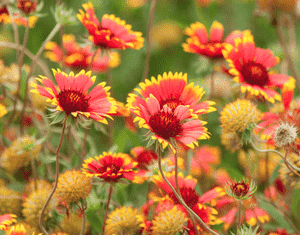
The ideal period for relocating Gaillardia pulchella is from the latter part of spring through the initial weeks of summer. This species flourishes in areas with ample sunlight and good drainage. To encourage more robust development, carefully separate the root ball before placing it in the ground. Enjoy your transplanting!
What Preparations are Needed Before Transplanting Indian Blanket?
What is the Ideal Time for Transplanting Indian Blanket?
The optimal window for relocating indian blanket spans from late spring to early summer. This timeframe promotes robust development due to favorable temperature shifts. Transplanting at this point ensures the plant maximizes nutrient uptake, leading to more vibrant blooms and healthier foliage. Remember, a well-timed relocation can be the crucial element that distinguishes your indian blanket, making it the neighborhood's focal point by late summer.
How Much Space Should You Leave Between Indian Blanket Plants?
To provide your indian blanket ample room for growth, ensure they are spaced 12-18 inches (30-45 cm) apart. This spacing will encourage healthy development and abundant flowering.
What is the Best Soil Mix for Indian Blanket Transplanting?
For indian blanket, a well-draining soil rich in organic material is most suitable. Utilize a blend of garden soil and compost with a neutral pH. Incorporate a balanced, slow-release fertilizer during soil preparation for an optimal beginning.
Where Should You Relocate Your Indian Blanket?
Select a sunny location for your indian blanket transplantation, as they thrive in full sunlight. Aim for approximately 6-8 hours of direct sun daily to maximize their growth potential and enhance their vivid colors.
What Equipments Should You Prepare Before Transplantation Indian Blanket?
Gardening Gloves
To safeguard your hands while handling soil and the plant.
Shovel or Spade
For excavating the hole and extracting the plant from its initial spot. The tool's size should correspond to the indian blanket's dimensions.
Pruning Shears
To trim any damaged roots or leaves prior to transplanting. This encourages the development of new, healthy roots and foliage.
Watering Can
For hydrating the plant both before and after relocation. A watering can with a long spout allows for more precise application.
Wheelbarrow or Bucket
To move the indian blanket from its original position to the new planting site.
Mulch
To assist in retaining soil moisture and inhibiting weed growth around the indian blanket.
How Do You Remove Indian Blanket from the Soil?
How Do You Remove Indian Blanket from the Soil?
From Ground: First, water the indian blanket plant to moisten the soil, which facilitates easier uprooting. Then, using your shovel or spade, dig a circle around the plant, roughly 1 foot from the stems. The depth of this circle should match the depth of the plant's root ball. Push the shovel beneath the plant to lift it from the ground.From Pot: Lightly water the plant to moisten the soil. Tilt the pot sideways, and gently tap it to loosen the plant. Be careful not to pull on the plant stem. Eventually, the indian blanket plant and its root ball should slide out of the pot.From Seedling Tray: Water the seedlings thoroughly beforehand. Using a spoon or a seedling extractor, carefully pry the indian blanket plant from the tray, ensuring you support the top of the plant and avoid damaging the roots.
Step-by-Step Guide for Transplanting Indian Blanket
Prep the Site
At your chosen location, dig a hole that is twice as wide and the same depth as the indian blanket's root ball.
Root Pruning
Gently trim any dead or decaying roots from your indian blanket using your pruning shears. This will help stimulate new root development after transplanting.
Plant Placement
Position the indian blanket in the hole, ensuring it is level with the surrounding ground and not planted too deeply.
Filling in
Carefully backfill the hole with soil, covering all roots, and gently pat around the base of the indian blanket to eliminate any air pockets.
Watering
Water the plant generously to aid in settling the soil around the roots.
Mulching
Add a layer of mulch around the transplanted plant but leave a small gap around the stem to prevent rot.
How Do You Care For Indian Blanket After Transplanting?
Monitoring
Regularly check on your indian blanket after transplantation to track its progress and identify any potential issues early.
Disease Control
Watch for any indications of disease, such as yellowing leaves, wilting, or spots. If such symptoms appear, consult a nursery or experienced gardener for prompt management.
Pruning
In the weeks following transplantation, avoid excessive pruning. Trimming unnecessary leaves can help the indian blanket direct its energy toward establishing a strong root system.
Temperature
Maintain the plant in ideal conditions. Indian blanket prefers warmer temperatures, so if there's a sudden cold spell, consider providing protection.
Troubleshooting Common Issues with Indian Blanket Transplantation.
When is the best time to transplant indian blanket?
The optimal period to move your indian blanket is during the latter part of spring or the initial days of summer.
How far apart should I space my indian blanket when transplanting?
For ideal growth and spread, maintain a distance of approximately 12-18 inches (30-45 cm) between each indian blanket plant.
What should I do if my indian blanket shows signs of wilting after transplant?
This could be transplant shock. Ensure it receives adequate water and shield it from intense heat or wind while it acclimates to the new location.
How deeply should I plant indian blanket plants?
Aim to plant your indian blanket at the same depth they were in their original spot - typically around the plant's root crown.
Should I fertilize indian blanket plants after transplant?
It's not necessary immediately after transplanting. Allow a few weeks for roots to establish, then apply a slow-release fertilizer.
My indian blanket looks yellow after transplant, why is that?
Yellowing might indicate overwatering or a nutrient deficiency. Verify watering levels and consider a soil test for nutrient content.
Why are the leaves of my indian blanket drooping post-transplant?
Drooping leaves could be due to transplant shock, which can be alleviated by watering and supporting the plant until it recovers.
What type of soil should I transplant indian blanket into?
Indian blanket thrives in well-draining soil. If your garden soil is heavy clay or sand, consider incorporating organic matter to enhance its structure.
Can I transplant indian blanket in the shade?
Indian blanket requires full sun exposure. A shaded location may result in a leggy plant with fewer flowers.
Are there any special considerations when watering indian blanket after transplant?
Avoid waterlogging. The soil should be moist but not saturated. Overwatering could lead to root rot and harm your indian blanket.



