How to Transplant Giant Cabuya?
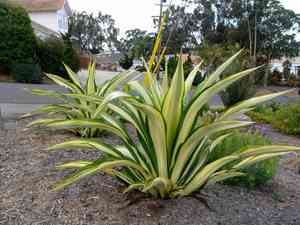
Relocating giant Cabuya is most successful when performed during the warmest period, typically from mid-summer to late summer. This schedule aligns with the plant's inherent developmental phase. Select a bright spot with soil that drains effectively. Should it be necessary, enrich the soil with organic material to foster vigorous development.
What Preparations are Needed Before Transplanting Giant Cabuya?
What is the Ideal Time for Transplanting Giant Cabuya?
The optimal period for relocating giant Cabuya is during the pleasant late summer days, often extending through mid-summer. This timeframe provides a combination of warm soil, cooler evenings, and sufficient time for giant Cabuya to establish roots before winter dormancy. Moving it during this phase capitalizes on its natural growth cycle, promoting strong development and smooth adaptation for giant Cabuya. By transplanting giant Cabuya at this opportune moment, you'll enjoy a beautiful display of lush, vibrant growth when spring arrives.
How Much Space Should You Leave Between Giant Cabuya Plants?
Ensure each giant Cabuya has ample room to flourish. Spacing should be approximately 6-10 feet (1.8-3 meters) apart. This will allow them to grow without competing for nutrients and sunlight. They'll appreciate this extra space, believe me!
What is the Best Soil Mix for Giant Cabuya Transplanting?
Getting the soil composition right is crucial! Giant Cabuya thrives in well-drained soil, and you can pre-mix it with a balanced base fertilizer. Just make sure it's rich in organic matter to give them an excellent start. They'll be grateful later!
Where Should You Relocate Your Giant Cabuya?
Finally, the planting location is vital! You'll want to choose an area that receives full sun to partial shade for giant Cabuya. Remember, they cannot endure intense sun all day, so a spot with filtered light would be perfect. Let the sunshine in!
What Equipments Should You Prepare Before Transplantation Giant Cabuya?
Gardening Gloves
To safeguard your hands while handling soil and the plant.
Spade or Shovel
Required for excavating the plant from its original spot, and for preparing the new planting hole.
Garden Trowel
Useful for making precise adjustments to the planting hole and surrounding area.
Pruning Shears
Handy for trimming any damaged roots or leaves after the transplant.
Garden Hose or Watering Can
To thoroughly hydrate the plant before and after the transplanting process.
Wheelbarrow or Potting Tray
To safely transport the plant from its initial location to the new one.
How Do You Remove Giant Cabuya from the Soil?
How Do You Remove Giant Cabuya from the Soil?
From Ground: Begin by watering the giant Cabuya plant to moisten the soil, making removal easier. Use your spade or shovel to carefully dig around the plant, ensuring you are far enough away to avoid damaging the roots. Gently work your tool beneath the root ball and slowly lift it from the ground. Place the plant in your wheelbarrow or potting tray for transport.From Pot: If your giant Cabuya is in a pot, start by watering the plant. Turn the pot on its side and gently ease the plant out, taking care not to harm the roots. If the plant resists, you can lightly tap the sides and bottom of the pot to help it along. Once the plant has been removed from the pot, gently loosen the outer roots to help them adapt to their new location.From Seedling Tray: Water the giant Cabuya seedlings and then use a garden trowel to gently lift them out of the tray, taking care not to damage their delicate roots. Handle them very carefully and ensure you loosen the roots if they appear to be densely packed.
Step-by-Step Guide for Transplanting Giant Cabuya
Preparation
Use your spade or shovel to dig a hole in the location where you will be transplanting your giant Cabuya. The hole should be as deep as and twice as wide as the plant's root ball.
Transplanting
Take the giant Cabuya plant from its original location and place it in the hole you made. It should be at the same depth as it was in its original location so that the top of the root ball is level with or slightly above the surrounding soil.
Backfilling
Gently backfill the hole, making sure that the plant is secure and upright. Avoid compressing the soil too much as this can damage the roots and prevent water from soaking in.
Watering
After planting, water the giant Cabuya generously but gently to help the soil settle around the roots and to alleviate any transplant shock.
How Do You Care For Giant Cabuya After Transplanting?
Watering
Since the giant Cabuya is a succulent plant, it's best to let the soil dry out completely before watering again. Overwatering can cause root rot and other problems.
Pruning
After a couple of weeks, check for any dead or dying leaves and prune them off.
Repositioning
If the giant Cabuya plant exhibits signs of stress such as browning or wilting leaves, consider repositioning the plant in an area that fits its sunlight needs better. Remember that it may take a few weeks for the plant to fully adjust to its new location.
Troubleshooting Common Issues with Giant Cabuya Transplantation.
When is the best time to transplant giant Cabuya?
Late spring to early summer (S5-S6) is the ideal time to relocate giant Cabuya. The warm season helps the plant establish better.
What spacing is necessary for giant Cabuya when transplanting?
Offer giant Cabuya a spacious spot. Ideally, plants should be spaced 6-10 feet (1.8-3 m) apart. This will allow them a healthy growth.
How do I ensure successful establishment of giant Cabuya post-transplant?
Water giant Cabuya thoroughly after transplanting, and keep the soil well-drained and moist. Regular watering in the first few weeks is crucial for establishment.
What could be the reason if giant Cabuya does not grow after transplantation?
Ensure giant Cabuya has been planted at the proper depth and spacing, and is getting enough sunlight. Improper transplanting procedures may hinder its growth.
Should I use potting mix or garden soil when transplanting giant Cabuya?
Use a well-draining potting mix. Good drainage is vital for giant Cabuya as it prevents root rot and aids in optimal growth.
My transplanted giant Cabuya looks wilted. What should I do?
Offer giant Cabuya more frequent watering. Initial post-transplant wilting is common, but consistent watering will help it bounce back to health.
Are there any special nutritional needs for giant Cabuya after transplanting?
While giant Cabuya is not overly fussy, it responds well to a slow-release, balanced fertilizer. This nourishes it post-transplant and encourages healthy growth.
What's the ideal sunlight exposure for giant Cabuya after transplant?
Giant Cabuya loves sun, so place it in an area that gets full sun exposure. However, it will tolerate partial shade.
Does giant Cabuya require any pruning after transplantation?
Absolutely! Remove any dead, diseased or damaged leaves to encourage healthy, new growth and keep giant Cabuya looking its best.
If giant Cabuya bulbs look damaged, can they still be transplanted?
Yes, as long as the damage isn't severe. Plant them as you would a healthy one, but monitor closely, providing extra care if needed.



