How to Transplant Crown imperial?
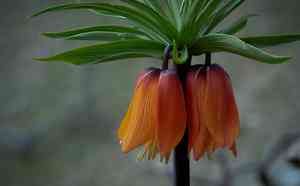
The ideal period for transplanting crown imperial spans from late autumn through mid-winter, enabling robust root establishment before the onset of spring development. Select a site that receives full sun or partial shade, featuring soil that drains effectively for best outcomes. During the transfer process, exercise caution to prevent harm to the fragile root system.
What Preparations are Needed Before Transplanting Crown Imperial?
What is the Ideal Time for Transplanting Crown Imperial?
The optimal period for relocating your crown imperial is from late autumn through mid-winter. This timing allows the roots sufficient time to establish before warmer weather. This season also provides the plant with a continuous stretch of cool temperatures, crucial for root development. Transplanting during this window prepares the plant for robust spring growth and ensures a beautiful bloom for your garden or yard. Seize this chance to give your crown imperial a new, healthier home!
How Much Space Should You Leave Between Crown Imperial Plants?
When transplanting crown imperial, aim to space the plants approximately 6-12 inches (15-30 cm) apart. This spacing provides ample room for growth and promotes proper air circulation.
What is the Best Soil Mix for Crown Imperial Transplanting?
Prepare the soil using a well-draining, fertile mixture enriched with organic matter like compost. Incorporate a slow-release granular fertilizer as a foundational boost for healthy development.
Where Should You Relocate Your Crown Imperial?
Choose a location for crown imperial that receives full sun to light shade, ensuring it gets abundant daily sunlight. Steer clear of excessively shady areas, as this could impede the plant's growth.
What Equipments Should You Prepare Before Transplantation Crown Imperial?
Gardening Gloves
These are crucial for safeguarding your hands from potential scratches or abrasions while handling the crown imperial.
Garden Trowel
For excavating the new hole and scooping the necessary soil.
Garden Shovel/Spade
Useful for larger digging tasks, especially when extracting the crown imperial from its original spot.
Rootball Cloth or Plastic
To wrap around the roots of the crown imperial during the transplanting process, protecting them from dehydration and damage.
Watering Can or Hose
To hydrate the crown imperial before and after the transplant, ensuring the roots remain moist.
How Do You Remove Crown Imperial from the Soil?
How Do You Remove Crown Imperial from the Soil?
From Ground: Start by watering the crown imperial to make the surrounding soil more pliable. Using your shovel or spade, dig a wide circle around the plant, ensuring you go deep enough to fully encompass the plant’s root ball. Once the circle is complete, carefully lift the plant, keeping as much of the original soil around the roots as possible.From Pot: Water the crown imperial to moisten the soil, facilitating easier removal. Turn the pot on its side and gently ease the plant out, supporting the plant at the base of the stem with one hand while tilting the pot with the other. If the plant resists, tap the pot's edges to loosen the soil.From Seedling Tray: First, water the seedling tray, allowing it to soak briefly. Using your fingers or a small tool, carefully lift the crown imperial from the tray, supporting it by the root ball, not the stem. Handle with care to prevent damage to the delicate roots.
Step-by-Step Guide for Transplanting Crown Imperial
Preparation
Gather all necessary tools and ensure the new site for the crown imperial is prepared for transplanting.
Removal
Follow the provided instructions based on the current location of your crown imperial. Always support the root ball to keep it intact.
Prepare the New Hole
This should be sufficiently wide and deep to accommodate the root ball of the crown imperial. Add compost to enrich the soil if needed, but avoid using fertilizers at this stage.
Placement
Position the crown imperial in the hole, ensuring it is at the same depth as it was in its previous location. The top of the root ball should be level with the soil surface.
Backfill
Gently but firmly backfill the hole. Do not compact the soil excessively; this could impede root growth.
Watering
Water the crown imperial generously after transplanting to settle the soil around the roots and help alleviate the shock of the new environment.
How Do You Care For Crown Imperial After Transplanting?
Observation
Monitor the crown imperial in the subsequent weeks for any indications of transplant shock, such as wilting or yellowing leaves. If these signs appear, water the plant and provide some shade if feasible.
Watering
The crown imperial will require ample water during the initial weeks post-transplant. Ensure the soil remains consistently moist but not waterlogged.
Protection
If possible, offer some shade to the crown imperial for a few days after transplanting to aid its adjustment to the new environment. However, remember that the crown imperial ultimately needs plenty of sunlight.
Pruning
Should the crown imperial experience transplant shock, you might need to prune a portion of the plant to lessen stress. Prioritize any dead or dying sections first.
Troubleshooting Common Issues with Crown Imperial Transplantation.
What's the ideal timing to transplant crown imperial?
The perfect time to relocate crown imperial is from late fall to mid-winter, allowing the plant to establish before the growing season begins.
What distance should I maintain between the crown imperial plants?
Aim to space crown imperial approximately 6-12 inches (15-30 cm) apart. This helps each plant receive adequate sunlight and reach its full potential.
Do crown imperial require any particular soil condition for transplantation?
Crown imperial prefer well-drained soil. Saturated conditions can lead to bulb rot. Adding a bit of sand or grit to the soil can improve drainage.
How deeply should I plant crown imperial while transplanting?
Plant crown imperial's bulbs deep, about 8 inches (20 cm) from the soil surface. This deep planting keeps the bulbs cool and encourages healthy growth.
Should I water crown imperial immediately after transplanting?
Absolutely! Water crown imperial right after transplanting to settle the soil around the bulb, but avoid waterlogging as it might cause bulb rot.
Are there any specific tips to handle crown imperial bulbs during transplantation?
Ensure you handle crown imperial's bulbs gently to prevent any damage. The bulbs should be firm and free of mold, rot, or insects.
Is it necessary to fertilize crown imperial after transplanting?
While crown imperial aren't heavy feeders, a slow-release bulb fertilizer can be beneficial. However, avoid direct contact as it can destroy the bulbs.
Can I transplant crown imperial in a container?
Certainly! Crown imperial grow well in containers. Just ensure there's ample drainage, and the container is deep enough for its roots to grow.
What should I do if crown imperial seedling wilts after transplanting?
If crown imperial wilts, it may be transplant shock. Keep the soil moist, provide sufficient light, and avoid overheating; it should recover in a few days.
How can I protect transplanted crown imperial during harsh winter?
Insulate crown imperial by applying a mulch layer of about 2-3 inches (5-8 cm) to protect it from freezing temperatures. Gently remove it when spring arrives.



