How to Transplant Pumpkin ash?
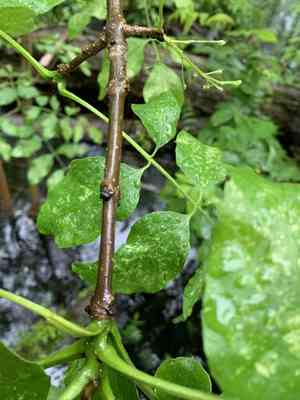
The perennial pumpkin ash flourishes when transplanted during the increasing warmth of late spring to early summer, or amidst the tranquil coolness of mid-autumn until the fading days of late fall. Confirm its placement in adequately drained, damp earth, preferably in areas receiving full sun to partial shade. A crucial note: avoid disturbing its root system to facilitate a smooth establishment.
Essential Preparations Before Relocating Pumpkin Ash?
Optimal Period for Moving Pumpkin Ash?
For pumpkin ash, the most favorable times for relocation are during the gentle period of late spring or as autumn displays its hues in mid-fall. This timing allows pumpkin ash to establish roots in moderate soil, ensuring a strong growth cycle ahead. Utilizing these seasons for transplantation leverages the mild weather, promoting vigorous root development before the harshness of summer heat or winter cold. Your pumpkin ash will thrive if settled in its new home during these supportive intervals.
Required Spacing Between Pumpkin Ash Plants?
Hello, gardening enthusiast! When moving your lovely pumpkin ash, you'll want to provide ample room for it to flourish. Position the young trees more than 60 feet (approximately 18 meters) apart. This will guarantee each pumpkin ash has sufficient space to achieve its full potential!
Ideal Soil Blend for Pumpkin Ash Relocation?
For your pumpkin ash, a rich, well-draining soil is optimal. Prior to transplanting, enrich the soil with a balanced, slow-release plant food. A 10-10-10 mixture would be perfect to give your pumpkin ash a healthy start. Incorporate it into the top 6-12 inches (15-30 cm) of soil.
Recommended Location for Your Pumpkin Ash?
Your pumpkin ash thrives on sunlight! When selecting a site, choose a spot where it can receive full sun for the majority of the day. This will help your pumpkin ash grow robustly and produce the best foliage. A sunny garden would be an excellent choice!
Tools Required Before Transplanting Pumpkin Ash?
Shovel or Spade
For excavating the pumpkin ash from its initial position.
Garden Fork
To loosen the earth and facilitate the gentle removal of the root ball with minimal harm.
Pruning Shears
For trimming any dead or damaged roots prior to relocation.
Wheelbarrow
To move the pumpkin ash from its original spot to the new planting site.
Watering Can or Hose
For hydrating the pumpkin ash before and after transplanting to reduce shock and aid root establishment.
Mulch
To help maintain soil moisture and regulate temperature around the new planting area.
Method for Extracting Pumpkin Ash from the Ground?
Method for Extracting Pumpkin Ash from the Ground?
From Ground: Hydrate the pumpkin ash to moisten the soil, which will simplify digging. Begin by excavating a wide trench around the plant using a shovel or spade. Aim to retain a generous amount of soil around the root ball to safeguard the roots. Pry the spade beneath and around the root ball to free it from the soil, then carefully lift the plant out of the ground.From Pot: Start by watering the pumpkin ash to make the root ball more flexible. Turn the container sideways and tap the bottom and sides to loosen the root ball. If necessary, gently pull the plant by the base of its main stem to ease it out of the pot.From Seedling Tray: Water the young plants first. Carefully loosen the soil around the edges of the seedling compartment. Use a dibber or a small tool to lift the seedling and its soil clump out without disturbing the roots.
Detailed Steps for Transplanting Pumpkin Ash
Preparation
Thoroughly water the pumpkin ash one day before transplanting to help minimize transplant shock.
Digging the New Hole
Excavate a hole in the ground that is twice the width of the pumpkin ash's root ball, and of equal depth to ensure the root crown sits at ground level.
Root Preparation
Trim any damaged roots with pruning shears to encourage fresh growth.
Placing Plant
Gently place the pumpkin ash into the hole, positioning it so that its most vigorous growth faces outward.
Soil Backfill
Mix some compost with the excavated soil and use this mixture to refill around the root ball, gently firming to eliminate air pockets.
Watering
Generously water the pumpkin ash immediately after transplanting to settle the soil and hydrate the roots.
Mulching
Apply a layer of mulch around the base of the plant, keeping it a few inches away from the stem to prevent rot.
Post-Transplant Care for Pumpkin Ash?
Watering Schedule
Water the pumpkin ash 1-2 times per week depending on weather conditions, keeping the soil moist but not saturated.
Mulch Refreshment
Inspect and replenish the mulch layer to maintain adequate soil moisture and temperature regulation.
Monitoring Growth
Observe for new growth as an indicator that the pumpkin ash is recovering from the transplant and establishing well in its new location.
Pruning
Prune any dead or damaged branches to encourage healthy growth and shape the pumpkin ash.
Addressing Common Issues During Pumpkin Ash Transplantation.
When is the best time to transplant pumpkin ash?
It's ideal to relocate pumpkin ash when temperatures are moderate, typically late spring just after the frost season ends or mid-fall before the frost arrives.
How far apart should I space pumpkin ash when transplanting?
Ample spacing is crucial! Aim for a distance exceeding 60 feet (18.3 meters) to ensure sufficient room for development.
What soil conditions favor transplanting pumpkin ash?
Ensure the soil is well-draining and fertile. Pumpkin ash prefers a moist, loamy mixture for optimal growth after relocation.
How deep and wide should the planting hole be for pumpkin ash?
The hole should be twice as wide and equal in depth to the root ball, allowing roots to spread comfortably.
How do I know if pumpkin ash is getting enough water after transplanting?
Maintain moist, not waterlogged, soil. Water deeply once a week, more often in high heat, to establish roots.
What pruning is necessary when transplanting pumpkin ash?
Minimal pruning is advised. Only remove damaged or broken branches to encourage healthy new growth.
Should I fertilize pumpkin ash immediately after transplanting?
Wait to fertilize until after pumpkin ash is settled and showing signs of new growth to prevent root burn.
What are common signs of transplant shock in pumpkin ash?
Look for wilting, yellowing leaves, and slow growth. Mitigate shock by ensuring proper planting and post-care.
How long will it take for pumpkin ash to become established after transplant?
It can take one full growing season for pumpkin ash to establish. Patience is key during this period.
Can pumpkin ash be transplanted in summer or winter?
Relocating pumpkin ash in the extreme temperatures of summer or winter is risky and could cause stress to the plant.



