How to Transplant Green ash?
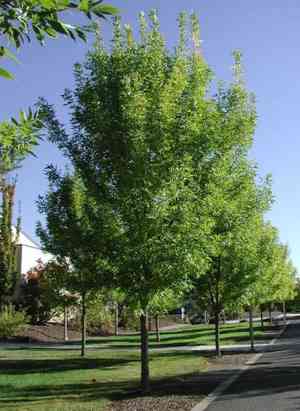
The ideal period for relocating green ash is from late spring to mid-summer, when temperatures are mild. Select a site that receives full sun or partial shade and features soil that drains effectively for optimal outcomes. Bear in mind that careful handling is crucial during transplantation, guaranteeing a flourishing green ash within your garden.
What Preparations are Needed Before Transplanting Green Ash?
What is the Ideal Time for Transplanting Green Ash?
The best period for relocating green ash is from late spring to midsummer, as this offers ample warmth and extended daylight for establishment. During this time, green ash benefits from optimal growing conditions, ensuring a healthy and robust plant. Seize this opportunity for a flourishing green ash in your garden!
How Much Space Should You Leave Between Green Ash Plants?
To allow your green ash sufficient room to grow, position them approximately 50-60 feet (15-18 meters) apart. This will ensure they have ample space to spread out and develop a strong root system.
What is the Best Soil Mix for Green Ash Transplanting?
Your green ash will thrive in well-drained, loamy soil with a slightly acidic to neutral pH. Before transplanting, incorporate a balanced, slow-release fertilizer to give your plant a nutritional head start.
Where Should You Relocate Your Green Ash?
Select a spot for your green ash that receives full sun to partial shade, ideally with 4-6 hours of direct sunlight daily. This will help your plant grow strong and healthy.
What Equipments Should You Prepare Before Transplantation Green Ash?
Gardening Gloves
To safeguard your hands while handling the soil and green ash plant.
Shovel or Spade
To excavate the hole for transplanting, and to extract the plant from its original location.
Pruning Shears
To trim any damaged or excess roots of the green ash.
Measuring Tape
To verify the depth and width of the planting hole.
Watering Can or Hose
To hydrate the plant before and after transplanting.
Organic Mulch
To help maintain soil moisture and suppress weeds around the green ash after transplanting.
How Do You Remove Green Ash from the Soil?
How Do You Remove Green Ash from the Soil?
- From Ground:First, water the green ash plant to moisten the soil. Then, dig a wide trench around the plant using a shovel or spade, ensuring the plant's root ball remains intact. Carefully work the spade under the root ball to lift the plant from its original location.- From Pot:Water the green ash plant thoroughly and gently remove it from the pot by carefully sliding it out or using a knife to cut away the pot. Keep the rootball intact as much as possible.- From Seedling Tray:Moisten the soil in the seedling tray and gently ease the green ash seedlings out of the tray using a small trowel or your fingers, taking care not to damage the roots.
Step-by-Step Guide for Transplanting Green Ash
Site Preparation
Dig a hole that's at least twice as wide and slightly deeper than the root ball of the green ash. Loosen the sides and bottom of the hole using your shovel or spade.
Root Inspection
Trim any damaged or excessive roots on the green ash using pruning shears to encourage new growth.
Plant Placement
Carefully place the root ball of the green ash into the hole, ensuring the top of the root ball is level with the surrounding soil. If necessary, adjust the depth of the hole before placing the plant.
Backfill
Gently backfill the hole with soil, carefully firming it around the root ball as you work to eliminate air pockets. Fill the hole up to the level of the surrounding soil, ensuring the root ball is well covered.
Watering
Water the green ash thoroughly, soaking the root ball and surrounding soil to help it settle and establish good contact with the roots.
Mulching
Apply a generous layer of organic mulch, like shredded bark or compost, around the green ash to help maintain soil moisture and reduce weeds. Keep the mulch about 2-3 inches away from the trunk to avoid moisture damage or rot.
How Do You Care For Green Ash After Transplanting?
Watering
Keep the soil around the green ash consistently moist, but not soggy, for the first few weeks after transplanting to help establish strong roots.
Pruning
Prune any dead or damaged branches of the green ash during its first growing season to encourage healthy growth, and remove suckers from the base as they appear.
Monitoring
Monitor the green ash for pests, diseases, or any signs of stress, and address any issues promptly to ensure a healthy, thriving plant.
Fertilizing
Avoid fertilizing the green ash during the first growing season to prevent overstimulation. Begin applying a balanced, slow-release fertilizer in the spring of the second year to support its growth.
Seasonal Care
Maintain annual mulching and adjust watering to the green ash's needs as it grows and develops, providing supplemental water during periods of drought and heavy pruning if needed to maintain optimal shape and size.
Troubleshooting Common Issues with Green Ash Transplantation.
When is the best time to transplant green ash?
The ideal time to transplant green ash is from late spring to mid-summer, ensuring the best chance of success.
What is the recommended spacing for green ash?
For green ash, it's suggested to space the plants about 50-60 feet (15-18 meters) apart to ensure proper growth.
How deep should the planting hole be for green ash?
Dig a hole at least twice the width and the same depth as green ash's root ball, providing enough room for roots.
How should I prepare the green ash for transplantation?
Before transplanting, water green ash thoroughly, gently loosen the root ball, and remove any damaged roots.
What type of soil is suitable for transplanting green ash?
Green ash prefers moist, well-draining soil with a pH between 6.0 and 7.5. Amend soil with organic matter if needed.
How much sunlight does green ash need after transplanting?
After transplanting, green ash should receive full sun, which means at least 6-8 hours of direct sunlight daily.
What is the best watering technique for green ash after transplant?
Water green ash deeply and thoroughly, ensuring the root zone is moist. Adjust watering based on rainfall and soil conditions.
How long should I wait to fertilize green ash after transplanting?
Wait 4-6 weeks after transplanting green ash before applying a balanced, slow-release fertilizer to avoid root burn.
What should I do if green ash shows transplant shock symptoms?
Provide consistent watering, protect from harsh weather, and avoid applying fertilizer until green ash shows signs of recovery.
How can I assure my transplanted green ash survives winter?
Apply mulch around green ash to retain moisture and regulate soil temperature. Prune damaged branches in late winter.



