How to Transplant Manchurian ash?
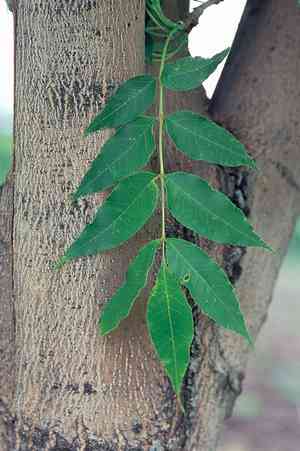
Select the mild temperatures and consistent development environment of mid to late spring for relocating manchurian ash, guaranteeing strong root development. Place it in a location with good drainage and ample sunlight to encourage vitality. Should it be necessary, amend the soil to aid its adjustment.
What Preparations are Needed Before Transplanting Manchurian Ash?
What is the Ideal Time for Transplanting Manchurian Ash?
The best time for relocating manchurian ash is in mid-spring, when temperatures are mild and consistent. Placing manchurian ash during this season encourages robust root development before summer heat, ensuring strong establishment. Helpful tip: this timing allows manchurian ash to recover from the stress of moving and thrive, leading to a healthier, more resilient plant.
How Much Space Should You Leave Between Manchurian Ash Plants?
For manchurian ash, maintain an optimal spacing of 10-15 feet (3-4.5 meters) between each plant when moving them. This distance provides ample room for growth and promotes good health for your green companions.
What is the Best Soil Mix for Manchurian Ash Transplanting?
Manchurian ash prefers soil that drains effectively. Prepare the ground with nutrient-rich soil and incorporate a balanced base fertilizer before planting. Ensure the soil is loose to aid root proliferation.
Where Should You Relocate Your Manchurian Ash?
Select a site where manchurian ash can receive abundant sunlight. It will require full sun exposure for optimal growth. However, it can tolerate areas with partial shade. Enjoy your gardening!
What Equipments Should You Prepare Before Transplantation Manchurian Ash?
Gardening Gloves
Protecting your hands while handling soil and plants.
Garden Spade
For excavating the plant from its original spot, whether from the ground or a container.
Garden Fork
Useful for loosening the soil around manchurian ash.
Garden Trowel
Essential for creating a new cavity at the transplanting site.
Stakes and Tie
These can help manchurian ash remain upright in its new location, especially for young, delicate plants.
Watering Can with Spray Attachment
This provides gentle irrigation, ideal for the initial days following transplantation.
Organic Mulch
Helps retain moisture and suppress weeds around the newly transplanted manchurian ash.
How Do You Remove Manchurian Ash from the Soil?
How Do You Remove Manchurian Ash from the Soil?
From Ground: First, lightly water manchurian ash to moisten the surrounding soil. This facilitates easier removal. Then, using a garden spade or fork, dig a wide trench around the manchurian ash, being careful not to damage the root system. Lift the plant from underneath with the spade, keeping as much of the root ball intact as possible.From Pot: Begin by watering the manchurian ash, then invert the pot while holding your hand over the soil surface with the manchurian ash between your fingers. Gently tap the pot's rim on a firm surface, and the entire plant should slide out. Keep the root ball as undisturbed as possible.From Seedling Tray: Water the manchurian ash slightly, then gently grasp the base of the stem and lift. If resistance is encountered, use a spoon to loosen the soil around the plantlet to assist removal.
Step-by-Step Guide for Transplanting Manchurian Ash
Prep Transplant Hole
Use the garden trowel to dig a hole deep enough so manchurian ash's root ball is level with the ground surface. Making the hole slightly wider allows the roots ample room to spread.
Position manchurian ash
Place manchurian ash in the new hole, then backfill with soil, gently firming around the base.
Stake
If manchurian ash is particularly tall or unstable, drive a stake into the ground. Secure it to the manchurian ash using soft garden ties.
Watering
Thoroughly water the plant. The spray attachment on a watering can provides a gentle, rain-like soak that will not displace soil or harm manchurian ash.
Mulching
Apply organic mulch around the plant. This will help maintain soil moisture and prevent weed growth.
How Do You Care For Manchurian Ash After Transplanting?
Frequent Watering
Keep manchurian ash well-hydrated for the initial few weeks, but avoid over-saturation. The soil should be damp, not waterlogged.
Stake Check
Regularly inspect the stake and tie. Ensure manchurian ash is not being damaged by the tie, and the stake provides sufficient support.
Prune
Trimming it back by approximately one-third will help manchurian ash direct its energy towards root development.
Mulch Check
Ensure the mulch remains in place and has not been displaced by water or wind. Replenish as needed. The mulch should maintain a consistent depth.
Monitor Health
Watch for signs of stress or disease to allow for prompt intervention. If leaves wilt or yellow, investigate potential causes quickly and address them.
Troubleshooting Common Issues with Manchurian Ash Transplantation.
What's the best time to transplant manchurian ash?
Relocating manchurian ash is most effective during the shift from spring to early summer. This provides ample time for it to establish before winter.
How far apart should I space manchurian ash plants during replanting?
Allow manchurian ash plenty of room to expand! Spacing should ideally be 10-15 feet (3-4.5 meters) to prevent overcrowding and encourage healthy growth.
How deep should manchurian ash be planted when being transplanted?
Manchurian ash should be planted so its root collar is at or slightly above the soil surface. Planting too deeply can stress the plant and hinder its growth.
Is there an ideal soil type for transplanting manchurian ash?
Manchurian ash prefers well-drained, fertile soil. If the existing soil is heavy clay or sand, you may want to amend it to improve drainage and fertility.
Do I need to water manchurian ash immediately after transplanting?
Absolutely, give manchurian ash a thorough watering after transplanting. Remember, consistent moisture is crucial for the first few weeks to ensure proper establishment.
Why are the leaves of my transplanted manchurian ash turning yellow?
Yellow leaves on manchurian ash could indicate water stress. Check soil moisture levels and adjust your watering schedule accordingly. However, it could also suggest a nutrient deficiency.
Do I need to stake my newly transplanted manchurian ash?
Staking is advisable, especially if the manchurian ash is tall or situated in a windy area. However, do not stake too tightly, as this can impede the tree's growth.
Is it necessary to prune manchurian ash before or after transplanting?
Pruning before transplanting helps manchurian ash reestablish more quickly. After transplanting, remove only broken or diseased branches for the first year to allow the plant to focus on root growth.
Should I transplant manchurian ash in full sun or partial shade?
Manchurian ash thrives in a location with full sun, but it can also do well in partial shade. Observing its response to sunlight at its original site can be beneficial.
How do I deal with transplant shock in my manchurian ash?
Provide manchurian ash with appropriate care post-transplant. Ensure proper watering, avoid fertilizing for a period, and trim off any dead or dying branches to help it recover from transplant shock.



