How to Transplant Oregon ash?
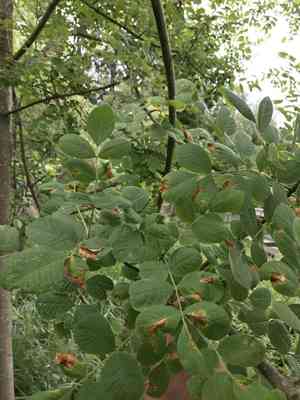
The most favorable period for relocating oregon ash is late spring or early summer, leveraging temperate conditions that facilitate root development. Preferred sites feature adequately drained earth and exposure to partial or complete sunlight, guaranteeing a welcoming new environment for oregon ash.
What Preparations are Needed Before Transplanting Oregon Ash?
What is the Ideal Time for Transplanting Oregon Ash?
The best time to move oregon ash is from late spring to early summer. During these milder months, roots establish well without frost stress. This timing ensures oregon ash benefits from the start of the growing season, boosting resilience and growth. Performing this task then will promote strong development for oregon ash, ensuring a smooth transition to its new spot.
How Much Space Should You Leave Between Oregon Ash Plants?
When planting oregon ash, ensure each young tree has ample room to grow. Space them 20-30 feet (6-9 meters) apart to allow sufficient root expansion. This distance will also prevent competition for nutrients.
What is the Best Soil Mix for Oregon Ash Transplanting?
Oregon ash thrives best in loamy soil. You can enrich the soil with a general-purpose garden fertilizer. Remember to ensure your soil drains well, as waterlogged conditions can harm this plant's growth.
Where Should You Relocate Your Oregon Ash?
Choose a spot that gets full or partial sun for your oregon ash. Keep in mind, while they appreciate sunlight, they can also handle some shade. Observe sun patterns in your garden to find an optimal location.
What Equipments Should You Prepare Before Transplantation Oregon Ash?
Shovel
To dig a hole in the ground large enough to accommodate the root system of oregon ash.
Wheelbarrow
This helps with transporting oregon ash from its original location to its new one.
Gardening Gloves
To protect your hands while working with the soil and plant.
Watering Can
To water the transplanted oregon ash as it adapts to the new environment.
Mulch
To help retain moisture in the soil after transplanting oregon ash.
Compost
It enriches the soil, helping oregon ash thrive in its new location.
How Do You Remove Oregon Ash from the Soil?
How Do You Remove Oregon Ash from the Soil?
From Ground: To move oregon ash from the ground, begin by watering the soil around the tree to loosen it and ease extraction. Using a shovel, carefully dig a circle around oregon ash, maintaining a wide perimeter to preserve as much of the root system as possible. Gradually dig deeper until you can gently lift oregon ash out of the ground, taking care to keep the root ball intact.From Pot: If oregon ash is in a pot, water it thoroughly to moisten the root ball before transplanting. Start by placing your hand on top of the soil with fingers spread around the stems of oregon ash. Invert the pot and tap the rim on a solid surface. Gently ease oregon ash out of the pot, supporting the root ball.From Seedling Tray: If oregon ash is in a seedling tray, start by watering the tray well so the soil and roots stick together. Dig a small hole with a gardening tool to lift the seedling from the tray, taking care to lift by the leaves rather than the stem. Keep the root system intact as much as possible.
Step-by-Step Guide for Transplanting Oregon Ash
Digging a Hole
The hole should be at least twice as wide and equal in depth to the root's spread of oregon ash. This will allow roots to spread out and establish in the new location. If the soil is heavy clay or it's poorly drained, the hole should be no deeper than the root ball.
Preparing the Plant
Lift oregon ash by the root ball, not the trunk, limb, or branches. The root ball must stay together during the entire transplanting process.
Placing the Plant
Gently lower oregon ash into the middle of the hole. Make sure the top of the root ball is level with the soil surface. Adjust height as necessary by adding or removing soil from the bottom of the hole.
Backfilling the Hole
Partially fill the hole with soil. Then water thoroughly to settle the soil around the root ball. After the water soaks in, finish filling the hole with soil, forming a slight mound.
Staking
It's usually unnecessary to stake oregon ash, unless the transplanting was done in a windy period.
How Do You Care For Oregon Ash After Transplanting?
Pruning
Prune the plant lightly, removing only dead branches or roots. Over-pruning can stress the tree.
Watering
Ensure oregon ash receives sufficient water during the first few weeks after transplanting. This is vital for new root establishment.
Care
Keep a close eye on oregon ash during the first summer as it can easily dehydrate. Provide enough water and shade if necessary.
Inspect
Regularly inspect oregon ash for any signs of pests or diseases. Early detection can prevent major problems down the line.
Troubleshooting Common Issues with Oregon Ash Transplantation.
What is the ideal season for transplanting oregon ash?
The perfect time to move oregon ash is during late summer to early autumn (S3-S4).
What should be the ideal spacing when transplanting oregon ash?
For optimal growth and development, space oregon ash 20-30 feet (6-9 meters) apart. This allows adequate sunlight and airflow.
How deep should I plant oregon ash after transplanting?
Ensure to plant oregon ash as deep as its root ball. This typically measures around 10 inches (25 cm).
What should I do if my oregon ash shows signs of wilting after transplant?
Perfectly normal! Oregon ash require some time to adjust to the new environment. Ensure consistent watering, but avoid waterlogging.
Do I need to prune oregon ash after transplanting?
Certainly! Pruning helps oregon ash focus on root development rather than foliage. Cut back about a third of the plant's size.
How often should I water oregon ash after transplanting?
Water oregon ash immediately after transplanting. Subsequently, once a week should suffice, unless the weather is excessively dry.
Why is my transplanted oregon ash not growing?
It might be transplant shock. Maintain consistent watering and care. If conditions persist, consider a soil test to identify any deficiencies.
Should I add any fertilizer or amendments when transplanting oregon ash?
Although oregon ash is quite adaptable, adding compost to the planting hole can significantly improve growth and health.
What to do if the transplanted oregon ash shows yellowing leaves?
Yellow leaves could indicate overwatering or poor drainage. Adjust your watering habits and ensure that the plant isn't in waterlogged soil.
Can I transplant oregon ash in container?
Yes, oregon ash can be grown in a large enough container, as long as it provides adequate drainage and space for growth.



