How to Transplant European ash?
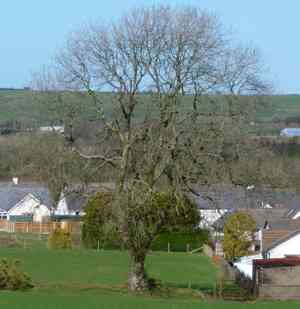
The ideal period for relocating european ash is in the spring, following the last frost, as the ground begins to warm. Select a location offering sufficient space for development and abundant sunlight. Ensure european ash is transplanted solely during its dormant phase to reduce shock.
What Preparations are Needed Before Transplanting European Ash?
What is the Ideal Time for Transplanting European Ash?
The best time for moving european ash is the revitalizing period of early to mid-spring. Relocating european ash at this point aligns with its natural growth cycle, ensuring minimal stress and maximum root establishment before summer's heat. It's a time of awakening for european ash, as the soil warms and moisture levels are favorable for root development. Providing european ash with springtime's mild temperatures and increased daylight will set the stage for a strong and healthy future.
How Much Space Should You Leave Between European Ash Plants?
For european ash, allow a generous distance of 20-30 feet (6-9 meters) between each plant. This provides ample room for branch spread and promotes better growth. You can use markers to ensure correct spacing.
What is the Best Soil Mix for European Ash Transplanting?
You'll need well-draining soil, rich in organic matter for european ash. Before planting, enrich the soil with a balanced base fertilizer. Remember, healthy soil leads to a thriving european ash.
Where Should You Relocate Your European Ash?
For optimal results, place european ash in a location that receives full sun to partial shade. This typically means about 6 hours of sunlight daily. Remember, european ash thrives in sunlight.
What Equipments Should You Prepare Before Transplantation European Ash?
Shovel or Spade
To excavate the hole for your european ash plant and to aid in lifting the plant from its current spot.
Gardening Gloves
To safeguard your hands while handling soil and the plant.
Watering Can
To hydrate the plant before and after the relocation process.
Garden Fork
This implement is useful for loosening the soil surrounding the plant.
Protective Cloth or Burlap
To wrap the root ball during transplant, which helps prevent damage.
Ties or Twine
To secure the root ball when encased in the cloth or burlap.
How Do You Remove European Ash from the Soil?
How Do You Remove European Ash from the Soil?
From Ground: Start by watering your european ash plant to moisten the surrounding soil. This facilitates easier plant removal. Carefully dig around the plant with a garden fork, being cautious not to harm the roots. Work a shovel or spade beneath the root ball and gently lift the plant from the ground.From Pot: Water the european ash plant thoroughly before beginning the removal process. Tilt the pot sideways, using your hand to support the stem and root ball. Gently pull the plant out; a tap on the pot's bottom can help dislodge it.From Seedling Tray: Water the seedlings well before removing them. Use a spoon or small tool to carefully lift each european ash seedling without damaging the roots. Hold the seedlings by their leaves to avoid crushing the stems.
Step-by-Step Guide for Transplanting European Ash
Prepare the New Site
Dig a hole that is twice as wide and deep as the european ash plant's root ball. Loosen the soil at the sides and bottom of the hole with a garden fork.
Insert the Plant
Center the european ash plant in the hole, ensuring the top of the root ball is level with the ground. The plant should be upright.
Fill the hole
Backfill the hole with the excavated soil, gently firming it around the root ball. Avoid mounding soil against the stem of the european ash plant, which can lead to rot.
Water the Plant
Use a watering can to thoroughly water the european ash plant, settling the soil around the roots.
Mulch
Apply a layer of mulch around the plant to retain moisture and suppress weeds, keeping it away from the stem to prevent decay.
How Do You Care For European Ash After Transplanting?
Watering
Ensure you water european ash regularly, especially in dry conditions, as it prefers well-drained, consistently moist soil, but avoid over-watering.
Regular Check
Monitor european ash for any signs of stress or disease after transplanting, such as yellowing leaves or wilting. If you observe anything unusual, it's advisable to contact a local garden center or Extension Service for guidance.
Pruning
Prune european ash in late winter or early spring to maintain its size and shape and to remove dead or damaged branches.
Protecting From Diseases and Pests
Watch for indications of pests or disease. Ash trees are vulnerable to Emerald Ash Borer, so routine inspections are necessary to detect potential issues early.
Troubleshooting Common Issues with European Ash Transplantation.
When is the best time to transplant european ash?
The ideal time to transplant european ash is during early to mid-spring (S1-S3). This allows ample growth time before winter arrives.
How much space does european ash need when transplanting?
European ash requires sufficient room for growth, so space them 20 to 30 feet apart, or 6 to 9 meters. This will ensure healthy development.
Why is my european ash drooping after being transplanted?
This could be transplant shock. Ensure european ash is adequately watered, but not waterlogged, and receives enough sunlight. The condition should improve within a few days.
How to prepare the soil for transplanting european ash?
Prepare a hole twice as wide and the same depth as the root ball of european ash. Loosen the soil at the bottom and add compost to the planting hole.
How deep must I plant european ash when transplanting?
When transplanting european ash, ensure the top of the root ball is level with the ground. Planting too deeply can hinder proper root establishment.
Why are the leaves of my transplanted european ash turning yellow?
Yellowing leaves may indicate water stress. Make sure your european ash is receiving adequate water but avoid overwatering as it can suffocate roots.
How do I care for european ash post-transplant?
For the initial few weeks after transplant, ensure european ash is sufficiently watered, protected from harsh weather, and mulching around the base can help retain moisture.
What should I do if the roots of european ash are circling the root ball?
If roots are circling the root ball, gently spread them out before planting. Roots growing in a circular pattern will continue to do so after planting.
Whatâs the ideal way to water european ash after transplantation?
Water european ash deeply and thoroughly after transplanting. Maintain consistent moisture around the root zone, but avoid excessive watering that could lead to waterlogging.
What is a sign that my transplanted european ash is not thriving?
A slow growth rate, discoloration or wilting of leaves, or leaf drop may suggest your transplanted european ash is not thriving. Check water, light, and nutrient conditions.



