How to Transplant California ash?
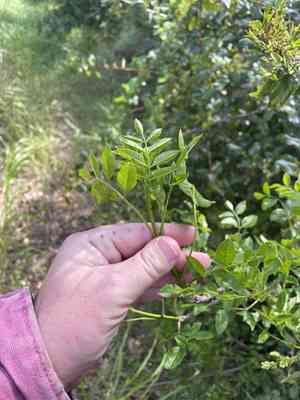
For california ash, the ideal period for relocation is throughout the colder seasons of fall and early winter. Select a bright or partly shaded spot with soil that drains effectively for peak development. Verify that the area is shielded from powerful gusts.
What Preparations are Needed Before Relocating California Ash?
What is the Ideal Time for Relocating California Ash?
The best time to move california ash, a perennial plant, is during mid-to-late autumn or early winter. This period allows the plant to establish roots in cooler soil conditions, reducing transplant shock. Additionally, the dormant season ensures minimal water stress and provides ample time for root development before the growth season resumes in spring.
How Much Space Should You Leave Between California Ash Plants?
Ensure each california ash is spaced approximately 20-30 feet (6-9 meters) apart. This provides ample room for growth without competition for nutrients and sunlight.
What is the Best Soil Mix for California Ash Relocation?
For california ash, utilize well-draining soil enriched with a balanced base fertilizer. A blend of loamy soil with compost or aged manure works excellently to supply essential nutrients.
Where Should You Relocate Your California Ash?
California ash thrives in areas receiving full sunlight. Select a garden spot that gets at least 6 hours of direct sunlight daily to ensure robust growth.
What Equipment Should You Prepare Before Relocating California Ash?
Gardening Gloves
To safeguard your hands while handling soil and the plant.
Spade or Shovel
To excavate around and lift the plant from its initial spot.
Watering Can or Hose
To hydrate the plant before and after its move.
Wheelbarrow or Plant Container
To transport the plant to its new location.
Pruning Shears
To trim any damaged roots or branches.
How Do You Extract California Ash from the Soil?
How Do You Extract California Ash from the Soil?
From Ground: First, water the california ash plant to moisten the soil. Then, dig a wide trench around the plant using a shovel or spade, ensuring the plant's root ball remains intact. Carefully work the spade under the root ball to lift the plant from its original location.From Pot: Water the california ash plant thoroughly to make the soil easier to manage. Gently tilt the pot on its side and tap the edges to loosen the root ball. Carefully slide the plant out, supporting the stem and root ball with your hand.From Seedling Tray: Water the seedlings to ensure the soil is damp. Use a small trowel or your fingers to gently lift the seedlings from the tray, being careful not to harm the roots.
Step-by-Step Guide for Relocating California Ash
Plant Preparation
Trim any damaged or excessively long roots with pruning shears. Also, remove any damaged or dead leaves and branches.
Digging the Hole
Excavate a hole in the prepared site that is twice as wide and the same depth as the plant's root ball. This provides ample space for root expansion.
Plant Placement
Position the california ash plant in the hole, ensuring it's at the same depth as in its original location. The top of the root ball should be level with the ground surface.
Filling the Hole
Backfill the hole with soil, gently compacting it to eliminate any air pockets. Avoid packing the soil too tightly, allowing roots to establish more easily.
Watering
Thoroughly water the newly relocated california ash plant to help settle the soil and reduce transplant shock.
Adding Mulch
Apply a layer of mulch around the base of the plant to help retain moisture and regulate soil temperature.
How Do You Care For California Ash After Relocation?
Watering
Keep the soil around the california ash consistently moist, but not waterlogged, for the first few weeks after relocating to help establish strong roots.
Monitoring
Regularly inspect the plant for signs of stress like wilting or yellowing leaves, and take corrective actions as needed.
Mulch Maintenance
Replace or replenish mulch as it breaks down to maintain a consistent layer around the plant base.
Pruning
Remove any damaged or dead leaves and branches to allow the plant to focus its energy on establishing roots in the new location.
Troubleshooting Common Issues with California Ash Relocation.
When is the best time to relocate california ash?
The ideal time to relocate california ash is mid-fall, late fall, or early winter for optimal results.
How much spacing should I give between california ash plants?
Space california ash plants 20-30 feet (6-9 meters) apart to ensure optimal growth.
What size hole should I dig for california ash?
Dig a hole about twice the width and the same depth as the root ball.
How do I prepare the soil for relocating california ash?
Amend the soil with compost or organic material to enhance drainage and nutrient content.
How should I handle california ash roots during relocation?
Gently untangle and spread out the roots to prevent circling and to encourage outward growth.
What should I do to reduce transplant shock in california ash?
Water thoroughly and apply a root stimulator to minimize transplant shock in california ash.
How often should I water california ash after relocating?
Water california ash regularly for the first few months, ensuring the soil remains consistently moist, not soggy.
Is mulching necessary after relocating california ash?
Yes, mulch around the base of california ash to retain moisture and regulate soil temperature.
Can I fertilize california ash right after relocating?
Avoid fertilizing immediately; wait at least 4-6 weeks to prevent root burn in california ash.
How can I protect california ash from pests post-relocation?
Inspect regularly and use organic pesticides or natural predators to keep pests at bay.



