How to Transplant Wild strawberry?
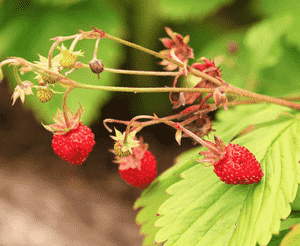
The ideal period for relocating wild strawberry is in the flourishing early to mid-spring, which guarantees robust development. Select a location featuring fertile, adequately draining soil and partial sunlight, then irrigate regularly after transplantation to foster a sturdy root system.
Preparations Required Before Relocating Wild Strawberry
Optimal Period for Relocating Wild Strawberry?
The perfect time to relocate wild strawberry is at the transition from early to mid-spring, as the revitalized soil supports new root growth. This period capitalizes on mild temperatures and increasing daylight, fostering robust development and better root establishment prior to the peak of summer. Embrace the season of renewal for a strong start for wild strawberry, setting the stage for a fruitful season ahead. The pleasant weather facilitates a gentle root transition, while soil moisture levels are ideal for wild strawberry to thrive.
Recommended Spacing Between Wild Strawberry Plants?
When preparing to plant wild strawberry, ensure ample room. Aim for a separation of approximately 1-1.5 feet (30-45 cm) between plants. This spacing guarantees each plant has sufficient area to flourish, promoting vigorous growth!
Ideal Soil Mixture for Wild Strawberry Relocation?
For wild strawberry, prepare the soil with a well-draining base and enrich it with a balanced, slow-release fertilizer. This plant prefers loamy soil, which aids root development. Such soil preparation will provide your plants with the best possible beginning!
Optimal Location for Relocating Your Wild Strawberry?
Regarding placement, wild strawberry enjoys full sun but can tolerate partial shade. A location receiving morning sun and subsequent shade would be perfectly ideal. Therefore, seek out a spot in your garden that meets this requirement for optimal growth!
Equipment Needed Before Relocating Wild Strawberry
Gardening Gloves
To safeguard your hands from abrasive materials or insects while handling soil and wild strawberry.
Trowel
For assisting with excavation and moving small quantities of soil.
Watering Can
To maintain appropriate moisture levels both before and after relocation.
Shovel or Spade
To carefully extract the wild strawberry from its current spot without harming its root system.
Garden Cart or Wheelbarrow
Useful for moving wild strawberry if it has extensive roots or needs to be transported a significant distance.
Mulch
To insulate the soil, retain moisture, and inhibit weed growth after relocation.
How to Extract Wild Strawberry from the Soil?
How to Extract Wild Strawberry from the Soil?
From Ground: First, moisten the wild strawberry to slightly dampen the soil, making digging easier and reducing plant stress. Use a shovel or spade to dig a wide trench around the plant, ensuring you are far enough away to avoid cutting into the roots. Gently work the spade beneath the root ball to lift the plant from its original position.From Pot: If the wild strawberry is in a pot, water it thoroughly at least an hour before relocating. Then, invert the pot while holding your hand over the soil at the plant's base. Gently squeeze the pot's sides to loosen the soil and roots. The wild strawberry should slide out directly into your hand.From Seedling Tray: Water the seedlings first, then use a trowel or spoon to carefully scoop out each wild strawberry, ensuring the entire root system is intact. Be extremely gentle to prevent damage.
Step-by-Step Guide for Relocating Wild Strawberry
Preparation
Dig a hole in the ground at least twice as wide and the same depth as the wild strawberry's root ball. Incorporate a small amount of compost or organic matter into the bottom of the hole for added nutrients.
Planting
Position the wild strawberry into the hole. The top of the root ball should be level with the ground surface. Backfill around the roots with soil, gently pressing down to eliminate air pockets.
Watering
Once the hole is completely refilled, provide the wild strawberry with a generous amount of water. This will help settle the soil and minimize transplant shock.
Apply Mulch
Spread a 2-inch layer of mulch around the base of the wild strawberry, ensuring the mulch does not touch the plant's stem. This aids in moisture retention and reduces weed competition.
Post-Relocation Care for Wild Strawberry
Checks
Regularly inspect the wild strawberry for indications of stress, such as wilting or discoloration, and take corrective measures if necessary. Minor wilting immediately after relocation is normal, but if it persists, the plant may require more water or shade.
Watering
Ensure consistent and deep watering for the wild strawberry for several weeks following relocation. However, do not overwater â the soil should be moist, not saturated.
Protection
It may be beneficial to use a plant protector or create a windbreak around the wild strawberry if you reside in a windy area or if the soil is quite exposed. A small amount of protection can significantly impact the success of the relocation.
No Fertilizer
Refrain from fertilizing wild strawberry until it has had a chance to establish itself and exhibits signs of new growth. Fertilizers can potentially harm or burn new roots.
Resolving Common Issues with Wild Strawberry Relocation.
When is the ideal time to relocate wild strawberry?
The perfect period for relocating wild strawberry is between seasons S1 and S2. They thrive best when moved during these intervals.
What spacing should wild strawberry have during relocation?
Wild strawberry should be planted approximately 1 to 1.5 feet apart (30-45 cm). This spacing allows the plants to grow freely without competing for resources.
Why is my relocated wild strawberry wilting?
Wilting often stems from shock. Ensure you are relocating between S1-S2, which wild strawberry finds most comfortable. Keep the soil moist, but not waterlogged.
My relocated wild strawberry isn't blooming, what could be the reason?
Wild strawberry may not bloom if it lacks sufficient sunlight or if the soil quality is poor. Ensure it receives at least 6 hours of daily sunlight.
Should I fertilize wild strawberry after relocation?
Yes, wild strawberry will benefit from a light application of a balanced, slow-release granular fertilizer after relocation. Do not fertilize immediately after relocation; wait two to three weeks.
What is the best soil type for relocating wild strawberry?
Wild strawberry thrives in rich, well-drained soil. It prefers loamy soil with a pH between 6.0 and 7.5.
How should I water wild strawberry after relocation?
Water wild strawberry thoroughly right after relocation. Afterward, maintain consistently moist soil, but avoid sogginess. Overwatering can lead to root rot.
What light conditions do wild strawberry prefer after being relocated?
Wild strawberry flourishes in full sun to partial shade after being relocated. Ensure it receives at least six hours of daily sunlight.
Are there any pests I should be aware of after relocating wild strawberry?
Be vigilant for slugs and snails, as they are fond of wild strawberry. Treat with organic or chemical slug and snail bait if necessary.
Should I prune wild strawberry after relocating?
No immediate pruning is required after relocation. Wild strawberry is a low-maintenance plant; simply remove any dead or damaged foliage as needed.



