How to Transplant Common bushweed?
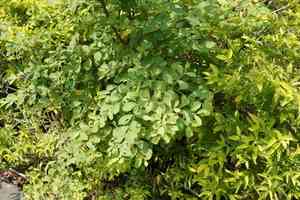
The optimal period for relocating common bushweed is after the winter cold recedes but prior to the peak of summer, generally from early spring to late spring. To ensure a flourishing common bushweed, select a site that receives ample sunlight and possesses soil with good drainage. When moving common bushweed, prioritize careful handling over aggressive methods, aiming to keep its root structure as intact as possible.
What Preparations are Necessary Before Relocating Common Bushweed?
What is the Best Period for Moving Common Bushweed?
The prime period for transplanting common bushweed falls within the gentle embrace of early to mid-spring. This timing promotes strong root development before the summer heat. Moving common bushweed during this interval allows the plant a full season to adapt and thrive, utilizing moderate temperatures for a smooth transition. Undertaking this crucial step as buds emerge ensures common bushweed maximizes the upcoming growing season, promising a lush presence in your garden.
How Much Distance Should You Maintain Between Common Bushweed Plants?
When planning to move your common bushweed, aim for a pleasant spacing of approximately 5-6 feet apart. This translates to roughly 1.5-1.8 meters. This provides each plant ample room to expand its roots and flourish!
What is the Optimal Soil Blend for Common Bushweed Transplantation?
For your common bushweed, you'll want to prepare a comfortable bed of well-draining soil. Incorporate a gentle application of balanced, slow-release fertilizer to give it a boost. Consider it a nourishing snack for your plant's significant move!
Where Should You Replant Your Common Bushweed?
Locate a sunny spot for your common bushweed that receives partial to full sunlight â like a small sunbath for your green companion! This guarantees it gets the warm, golden radiance it requires to grow strong and healthy.
What Equipment Should You Gather Before Transplanting Common Bushweed?
Gardening Gloves
To safeguard your hands while handling soil and plants.
Garden Shovel
For excavating the hole to transplant common bushweed.
Hand Trowel
For smaller digging tasks and refining the transplant hole.
Watering Can or Hose
To hydrate common bushweed after transplanting.
Measuring Tape
To ensure correct spacing between plants.
Wheelbarrow
For moving common bushweed and any soil amendments if required.
Pruning Shears
To trim any damaged roots or foliage prior to transplanting.
Stakes or Supports
To help common bushweed remain upright and grow correctly post-transplant.
Protective Tarp
To place excavated soil on and shield the surrounding area.
How Do You Extract Common Bushweed from the Soil?
How Do You Extract Common Bushweed from the Soil?
From Ground: Start by watering the common bushweed plant to moisten the soil, which facilitates digging. Dig a wide circle around the plant with a garden shovel to capture as much of the root system as possible. Slide the shovel beneath the root ball; gently tilt it to loosen and lift the plant.From Pot: Water the soil in the pot before beginning. Turn the pot on its side, tap the bottom, and apply gentle pressure to slide the common bushweed plant out. If the plant is stuck, run a hand trowel around the edge to separate the soil from the pot.From Seedling Tray: Water the seedlings to make the soil damp. Carefully press from the bottom of the seedling tray cell to loosen the soil and gently lift the common bushweed plant out, ensuring the root and soil remain intact.
Step-by-Step Guide for Relocating Common Bushweed
Preparation
Ensure all tools and supports are ready. Water your common bushweed plant before starting to minimize shock.
Excavation
Carefully dig around common bushweed in its current spot, creating a wide perimeter to avoid cutting into roots.
Root Ball
Once loosened, lift the common bushweed plant with a substantial amount of soil clinging to the roots to prevent disturbance.
Prepare New Site
Dig a hole about twice as wide as the root ball and of the same depth in the new location.
Positioning common bushweed
Place common bushweed in the center of the hole, ensuring it stands upright at the same depth it was growing previously.
Backfilling
Refill the hole with soil, gently tamping down to remove air pockets and secure common bushweed in place.
Watering
Water common bushweed generously to settle the soil and hydrate the roots.
Staking
If necessary, insert stakes around common bushweed for support and tie them with soft ties to prevent damage to the stems.
Mulching
Apply a layer of mulch around common bushweed to conserve moisture and suppress weeds, being careful not to pile mulch against the stems.
How Do You Care For Common Bushweed After Relocation?
Consistent Watering
Ensure the soil around common bushweed remains uniformly moist to encourage new root growth.
Support Check
Periodically inspect stakes and supports to confirm they are effectively stabilizing common bushweed without causing harm or constriction.
Monitoring
Observe common bushweed for indications of transplant shock, such as wilting or yellowing leaves, and take appropriate action.
Mulch
Maintain a healthy layer of mulch to keep the roots protected and preserve soil moisture.
Pruning
Remove any dead or damaged foliage to direct the plant's energy towards establishing new roots.
Troubleshooting Common Issues with Common Bushweed Relocation.
Why is my common bushweed not thriving after transplant?
Ensure you're transplanting during the ideal season from early to late spring, and that you maintain proper spacing of 5-6 feet apart (1.5-1.8 meters). Also, make sure the rootball is intact and the soil is well-draining.
How do I prepare the soil for common bushweed transplanting?
Prepare a mixture of rich garden soil and compost to ensure fertile ground. The soil should be loose and well-aerated to help roots establish.
How deep should the planting hole be for common bushweed?
The hole should be twice as wide and the same depth as the rootball, ensuring you don't plant too deep to prevent stem rot.
What is the best way to water common bushweed after transplanting?
Water deeply and slowly right after transplanting to settle the soil around the roots and then regularly, keeping the soil moist but not soggy.
How much sun does common bushweed need after transplanting?
Provide common bushweed with plenty of sunlight, ideally in a spot that gets at least 6 hours of direct sunlight daily.
What should I do if the leaves of common bushweed wilt after transplant?
Wilting can be a sign of stress; ensure common bushweed has enough water and shade from intense afternoon sun for a few days post-transplant.
Should I fertilize common bushweed immediately after transplanting?
Wait 4-6 weeks before applying a balanced fertilizer to give common bushweed time to establish without forcing growth.
How do I protect common bushweed from transplant shock?
Gently handle the rootball during transplanting, water thoroughly, and provide shade if exposed to direct, strong sunlight initially.
Do I need to prune common bushweed when transplanting?
Only prune damaged or dead branches during transplant. Pruning encourages new growth which can be taxing for common bushweed during adjustment.
What signs indicate successful common bushweed transplant?
Signs of success include new foliage growth, no wilting, and a stable, upright posture, indicating that common bushweed is well-adjusted.



