How to Transplant Fiddle-leaf fig?
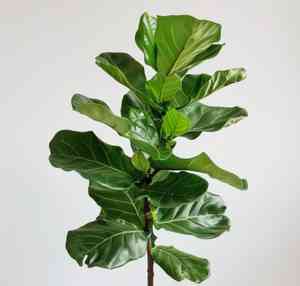
The magnificent Ficus lyrata flourishes when repotted from mid-spring to late spring or from mid-autumn to late autumn. Preferred sites ought to offer ample, diffused illumination and substrate that drains effectively. Bear in mind, a delicate approach is crucial when relocating this delicate specimen!
What Preparations are Needed Before Transplanting Fiddle-leaf Fig?
What is the Ideal Time for Transplanting Fiddle-leaf Fig?
The optimal period to relocate fiddle-leaf fig is during mid to late spring or autumn. This timing offers prime conditions for root development and growth, ensuring a flourishing, robust plant. Enjoy your transplanting!
How Much Space Should You Leave Between Fiddle-leaf Fig Plants?
When moving your beautiful fiddle-leaf fig, it's essential to provide ample room for their development. Aim for a separation of approximately 5-10 feet (1.5-3 meters). This guarantees the plants have sufficient area to thrive and showcase their lovely foliage.
What is the Best Soil Mix for Fiddle-leaf Fig Transplanting?
The perfect soil type for your fiddle-leaf fig is one that drains well and is rich in organic material. Prepare the planting site by incorporating a generous amount of compost and a slow-release fertilizer. This will establish a strong base for your plant's growth.
Where Should You Relocate Your Fiddle-leaf Fig?
Since fiddle-leaf fig loves sunlight, select a bright location that receives ample, indirect light for most of the day. Avoid placing your plant in direct sunlight, as this can cause its leaves to burn. A room with east or west-facing windows would be perfect!
What Equipments Should You Prepare Before Transplantation Fiddle-leaf Fig?
Gardening gloves
To safeguard your hands while handling soil and the plant.
Shovel or garden spade
For excavating the planting hole and extracting the plant from its original spot.
Pruning shears
To trim damaged or dead roots and any excess foliage.
Watering can or hose
To hydrate the plant before and after its relocation.
Soil amendment
To enhance soil quality and supply essential nutrients for the plant's development.
Mulch
To assist in maintaining soil moisture and temperature.
Stake and twine (optional)
To offer support for the plant, if necessary.
How Do You Remove Fiddle-leaf Fig from the Soil?
How Do You Remove Fiddle-leaf Fig from the Soil?
- From Ground:Moisten the fiddle-leaf fig plant to soften the soil, making it easier to manage. Dig a trench around the plant using a shovel or spade, ensuring the plant's root ball remains intact. Carefully work the spade beneath the root ball to lift the plant from its initial position.- From Pot:Thoroughly water the fiddle-leaf fig plant to ensure the soil is damp and the plant is hydrated. Gently loosen the soil around the pot's edges by tapping it. Place your hand over the soil surface with the plant stem between your fingers. Invert the pot and carefully remove the plant, keeping the root ball whole.- From Seedling Tray:Water the seedlings to dampen the soil. Use a spoon or small gardening tool to gently extract the fiddle-leaf fig seedlings from the tray, taking care not to harm the delicate roots. Handle the seedlings by their leaves, not their stems.
Step-by-Step Guide for Transplanting Fiddle-leaf Fig
Site Selection
Choose a spot with adequate sunlight and room for your fiddle-leaf fig plant to reach its full size.
Digging a Hole
Excavate a hole in the ground that is twice the width and the same depth as the plant's root ball or pot. It should be spacious enough to accommodate the roots without crowding.
Soil Preparation
Improve the soil removed from the hole with compost or another organic material to enhance its quality, if required. Thoroughly mix the amendment with the existing soil.
Prepping the Plant
Use pruning shears to remove any damaged or dead roots and trim excessive foliage from the fiddle-leaf fig plant to encourage new growth.
Placing the Plant
Carefully position the fiddle-leaf fig plant in the hole, ensuring the top of the root ball is level with the surrounding soil surface. Spread the roots evenly within the hole.
Backfilling
Fill the hole around the root ball with the amended soil, gently compacting it to eliminate any air pockets. Be careful not to bury the stem or trunk of the fiddle-leaf fig plant.
Watering
Water the fiddle-leaf fig plant thoroughly, ensuring the soil around the roots is completely moistened. This will help settle the soil and remove any remaining air pockets.
Mulching
Apply a 2-3 inch layer of mulch around the base of the fiddle-leaf fig plant to help maintain soil moisture and temperature. Keep the mulch a few inches away from the stem or trunk to prevent moisture-related issues.
Staking (if needed)
If the fiddle-leaf fig plant requires additional support, insert a stake next to the plant and secure it with twine. Be careful not to damage the roots when installing the stake.
How Do You Care For Fiddle-leaf Fig After Transplanting?
Watering
Keep the soil around the fiddle-leaf fig consistently moist, but not waterlogged, for the initial weeks after transplanting to aid in strong root establishment. Gradually reduce watering frequency as the plant settles in.
Pruning
Monitor the growth of your fiddle-leaf fig plant and gently trim any excessive or unwanted foliage to help shape the plant and promote healthy development.
Fertilizing
Wait one month after transplanting before applying any fertilizer to prevent root burn. Afterward, follow a regular fertilizing schedule, according to the fiddle-leaf fig plant's specific requirements.
Monitoring
Regularly inspect your fiddle-leaf fig plant for signs of pests or diseases and address them promptly to maintain its health.
Troubleshooting Common Issues with Fiddle-leaf Fig Transplantation.
When should I transplant my fiddle-leaf fig?
Relocate your fiddle-leaf fig ideally during mid to late spring, or mid to late fall for optimal outcomes.
What is the ideal spacing for transplanting fiddle-leaf fig?
Ensure a distance of 5-10 feet (1.5-3 meters) between each fiddle-leaf fig to encourage robust growth.
How do I choose a healthy fiddle-leaf fig for transplanting?
Select a fiddle-leaf fig with firm roots, vibrant green leaves, and no indications of damage or pest infestation.
How deep should the planting hole be for fiddle-leaf fig?
Dig the hole 2-3 times wider than the root ball, and as deep as the fiddle-leaf fig's current container.
What type of soil is ideal for transplanting fiddle-leaf fig?
Utilize well-draining, fertile soil with a pH of 6.0-7.0, and incorporate organic matter or compost.
How do I remove the fiddle-leaf fig safely from its current container?
Gently squeeze the container to loosen the soil, then carefully slide the fiddle-leaf fig out while providing support.
How can I ensure the roots are healthy before transplanting?
Examine the roots, trim any damaged or circling ones, and gently separate densely packed root balls.
How do I properly position the fiddle-leaf fig in the planting hole?
Place the fiddle-leaf fig in the hole, ensuring the top of the root ball is level with the surrounding soil.
How should I fill in the planting hole after transplanting?
Backfill the hole with the excavated soil mixed with organic matter, and gently firm it around the fiddle-leaf fig.
What post-transplant care does my fiddle-leaf fig need?
Water thoroughly after transplanting, maintain consistent moisture, and provide support if necessary as it grows.



