How to Transplant Rubber tree?
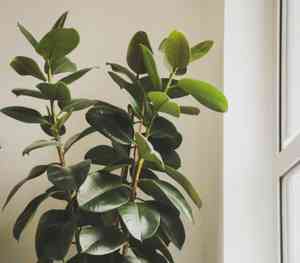
For a flourishing rubber tree, relocate it during the ideal period of mid to late spring, or mid to late autumn. Choose a spot that offers ample, diffused illumination and soil that drains effectively. If necessary, offer extra direction and reinforcement throughout the relocation procedure to ensure a robust, established rubber tree.
What Preparations are Needed Before Transplanting Rubber Tree?
What is the Ideal Time for Transplanting Rubber Tree?
The best period for relocating rubber tree is from mid to late spring, or mid to late autumn. This timing promotes optimal root development, leading to a robust, flourishing plant. Moving the plant during these seasons aids in better root establishment, improved moisture retention, and reduced plant stress.
How Much Space Should You Leave Between Rubber Tree Plants?
When moving rubber tree, ensure ample spacing of approximately 6-10 feet (1.8-3 meters) between plants. This encourages healthy development and provides sufficient room for the plant to thrive.
What is the Best Soil Mix for Rubber Tree Transplanting?
Prepare a soil mixture that drains well, combining loamy soil with rich organic material. Incorporate a base fertilizer, such as slow-release granules or compost, to give rubber tree a strong start.
Where Should You Relocate Your Rubber Tree?
Select a spot where rubber tree can receive abundant indirect sunlight, as it prefers bright yet filtered light. However, it can also adapt to dimmer light conditions if necessary.
What Equipments Should You Prepare Before Transplantation Rubber Tree?
Gardening Gloves
To safeguard your hands while handling the soil and rubber tree plant.
Shovel or Spade
For digging holes for relocation and extracting the plant from its original spot.
Hand Trowel
To gently loosen the root ball and remove any excess soil from the roots.
Pruning Shears
To trim any damaged or unnecessary roots prior to transplanting.
Watering Can or Hose
To hydrate the rubber tree plant both before and after its relocation.
Wheelbarrow or Bucket
To transport the rubber tree plant to its new location.
Mulch
To help maintain moisture around the rubber tree plant following transplantation.
How Do You Remove Rubber Tree from the Soil?
How Do You Remove Rubber Tree from the Soil?
- From Ground:First, water the rubber tree plant to moisten the soil. Next, dig a wide trench around the plant using a shovel or spade, ensuring the plant's root ball remains intact. Carefully work the spade beneath the root ball to lift the plant from its initial position.- From Pot:Hydrate the rubber tree plant to dampen its roots. Gently tilt the pot on its side, being careful not to harm the plant. Carefully slide the root ball of the rubber tree plant out of the pot, supporting the plant with your other hand.- From Seedling Tray:If the rubber tree plant is in a seedling tray, gently push up from the bottom of the individual cell to release the plant, carefully supporting its stem and root ball with one hand.
Step-by-Step Guide for Transplanting Rubber Tree
Dig the Hole
Using a shovel or spade, excavate a hole in the chosen spot that is twice as wide and equally deep as the root ball of the rubber tree plant.
Prepare the Plant
Gently loosen the roots of the rubber tree plant with a hand trowel or your fingers, removing any dead or excessively tangled roots. Trim any damaged roots using pruning shears.
Place the Plant
Position the rubber tree plant into the hole, ensuring the top of the root ball is level with the ground surface. Adjust the depth of the hole if needed.
Backfill with Soil
Partially fill the hole with soil, gently tamping it down to eliminate any air pockets. Water the rubber tree plant, allowing the water to settle the soil around the roots. Finish filling the hole with soil, and gently press down once more.
Mulch
Apply a 2-3 inch layer of mulch around the base of the rubber tree plant, keeping it a few inches away from the stem to prevent rot.
Water Thoroughly
Generously water the rubber tree plant, saturating the root zone, to encourage root establishment in its new location.
How Do You Care For Rubber Tree After Transplanting?
Watering
Keep the soil around the rubber tree consistently moist but not waterlogged for the initial few weeks post-transplant to aid in developing strong roots. Gradually reduce watering to allow the plant to acclimate to its new environment.
Pruning
Avoid extensive pruning during the first year after transplanting; instead, focus on removing any dead, damaged, or diseased branches as necessary. Once the rubber tree has settled in its new location, you can begin more regular pruning for shaping and health.
Pest and Disease Management
Monitor the rubber tree for indications of pests or diseases, and address them with appropriate organic or chemical treatments as required. Maintaining suitable planting conditions and ensuring good air circulation around your plant can help prevent problems.
Fertilizing
Wait at least 6 months before applying any fertilizer to your newly transplanted rubber tree to prevent root burn. Once the plant has established itself, apply a balanced all-purpose fertilizer according to product instructions.
Troubleshooting Common Issues with Rubber Tree Transplantation.
When is the best time to transplant rubber tree?
For optimal growth, relocate rubber tree during mid to late spring, or mid to late fall. This provides a stable environment for the plant to establish itself.
What is the ideal spacing for rubber tree while transplanting?
To allow ample room for growth, position rubber tree approximately 6-10 feet (1.8-3 meters) apart. This ensures sufficient space for the plant to flourish.
How do I choose the right container for transplanting rubber tree?
Select a pot with drainage holes, about 2-4 inches (5-10 cm) wider in diameter than the root ball. This will accommodate the expanding roots.
What steps should I follow for transplanting rubber tree?
1. Water rubber tree thoroughly before transplanting. 2. Gently loosen and remove the plant from its current container. 3. Trim any damaged or circling roots. 4. Position it in the new container. 5. Fill with soil, lightly firming it. 6. Water generously.
What type of soil is best for rubber tree during transplanting?
A well-draining, fertile, and slightly acidic to neutral soil (pH 6.0-7.0) is ideal for rubber tree. This supports robust root development and nutrient absorption.
How much water should I provide rubber tree after transplanting?
Water rubber tree thoroughly after transplanting, ensuring the soil is uniformly moist. Then, maintain a consistent watering schedule based on the plant's requirements and environmental conditions.
Should I use fertilizer when transplanting rubber tree?
Not immediately. It's best to wait 3-4 weeks after transplanting for the roots to settle. Afterward, you can use a balanced, slow-release fertilizer to support growth.
How much sunlight does rubber tree require after transplanting?
Rubber tree thrives in bright, indirect sunlight. However, it can also tolerate low light conditions. Find a spot that receives filtered light or morning sun for optimal growth.
What if rubber tree shows signs of stress after transplanting?
Pay close attention to water and light. Ensure proper hydration, avoid excessive exposure to harsh sunlight, and provide adequate nutrients to help rubber tree recover from transplant shock.
How long does it take for rubber tree to settle after transplanting?
It can vary, but rubber tree generally takes about 2-4 weeks to settle and exhibit new growth. Be patient and maintain good care practices during this period.



