How to Transplant Weeping fig?
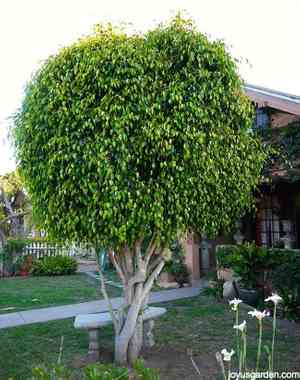
For Ficus benjamina, the most suitable period for relocation is from the middle of spring to the end of spring, or from the middle of autumn to the end of autumn. This timing facilitates superior root development in a site that offers good drainage and diffused light. Exercise caution with the root system during the transfer to ensure a favorable outcome!
What Preparations are Needed Before Transplanting Weeping Fig?
What is the Ideal Time for Transplanting Weeping Fig?
The optimal period to relocate weeping fig is during mid to late spring, or mid to late autumn. This promotes robust root development, minimizes stress, and ensures a flourishing plant. Give weeping fig the best chance at success by transplanting at these ideal times!
How Much Space Should You Leave Between Weeping Fig Plants?
When relocating weeping fig, ensure ample room for growth! Position your plants approximately 10-15 feet (3-4.5 meters) apart to guarantee sufficient space for them to thrive and expand.
What is the Best Soil Mix for Weeping Fig Transplanting?
For weeping fig, select a well-draining soil blend with a slightly acidic pH. Incorporate organic material like compost to enrich the soil and establish a balanced foundation. Conclude with a slow-release fertilizer to nourish your plants over time.
Where Should You Relocate Your Weeping Fig?
Weeping fig thrives in sunlight but can endure partial shade. Select a spot that receives bright, indirect light for optimal outcomes. Avoid placing it directly in intense afternoon sun to prevent leaf scorch.
What Equipments Should You Prepare Before Transplantation Weeping Fig?
Gardening Gloves
To safeguard your hands while working with the soil and plant material.
Shovel or Spade
For excavating a hole at the new site and extracting the plant from its original position.
Pruning Shears
To trim any dead or damaged roots prior to relocation.
Garden Fork
To assist in loosening the soil at the new planting location.
Watering Can or Hose
To thoroughly hydrate the plant before and after its move.
Mulch
To retain moisture and suppress weeds around the recently transplanted plant.
Organic Compost
To enrich the soil and encourage vigorous growth.
How Do You Remove Weeping Fig from the Soil?
How Do You Remove Weeping Fig from the Soil?
- From Ground:First, hydrate the weeping fig plant to moisten the soil. Next, excavate a wide trench around the plant using a shovel or spade, ensuring the plant's root ball remains intact. Carefully work the spade beneath the root ball to lift the plant from its initial spot.- From Pot:Thoroughly water the weeping fig plant to facilitate the root ball's easier removal from the container. Turn the pot on its side and gently tap the edges to loosen the root ball. Hold the plant at its base and slowly slide the root ball out of the pot.- From Seedling Tray:Water the weeping fig seedlings to simplify their extraction from their cells. Gently press on the bottom of each seedling cell until the plant and its root ball are lifted from the tray.
Step-by-Step Guide for Transplanting Weeping Fig
Site Preparation
Select an appropriate location for the weeping fig plant that fulfills its light and space requirements. Clear any weeds or debris from the area.
Soil Preparation
Utilize a garden fork to loosen the soil in the planting area to a depth of 12-18 inches, and incorporate organic compost into the soil to enhance its structure and fertility.
Digging the Hole
Excavate a hole that is slightly larger and deeper than the plant's root ball, ensuring ample space for the roots to spread.
Preparing the Root Ball
Inspect the root ball of the weeping fig plant and use pruning shears to remove any dead or damaged roots. This will stimulate new root growth after transplanting.
Placing the Plant
Gently position the weeping fig plant into the prepared hole, ensuring that the top of the root ball is level with the surrounding soil. Avoid planting too deeply, as this may lead to poor growth or root rot.
Filling the Hole
Backfill the hole with the enriched soil, ensuring the plant stands upright and its roots are well-covered. Gently firm the soil around the root ball, eliminating any air pockets.
Watering
Thoroughly water the weeping fig plant to help settle the soil and establish good root-to-soil contact.
Mulching
Apply a 2-3 inch layer of mulch around the base of the weeping fig plant to help retain moisture and inhibit weed growth.
How Do You Care For Weeping Fig After Transplanting?
Watering
Keep the soil around the weeping fig consistently moist, but not waterlogged, for the initial weeks after transplanting to aid in establishing strong roots.
Pruning
Regularly remove dead or damaged leaves and branches to maintain the health and appearance of your weeping fig plant.
Pest Control
Periodically examine your weeping fig plant for indications of insect infestations and treat accordingly using suitable organic or chemical methods.
Fertilizing
Nourish your weeping fig plant with a balanced slow-release fertilizer, adhering to the manufacturer's instructions for application rates and timings.
Support
If necessary, provide support to your weeping fig plant using stakes or trellises to maintain its form and prevent damage from strong winds or vigorous growth.
Troubleshooting Common Issues with Weeping Fig Transplantation.
What's the best time to transplant a weeping fig?
Mid to late spring, or mid to late fall are optimal for relocating weeping fig.
How much space should I leave between weeping fig plants?
Allow approximately 10-15 feet (3-4.5 meters) of distance between weeping fig plants.
How deep should I dig a hole for transplanting weeping fig?
Excavate a hole twice the width and the same depth as the weeping fig's root ball.
What type of soil should I use when transplanting weeping fig?
Utilize well-drained, fertile soil with a pH range of 6-7, rich in organic matter.
Do I need to prune weeping fig before transplanting?
Lightly trim weeping fig to remove any dead, damaged, or overcrowded branches prior to relocation.
How should I handle the root ball during transplant?
Handle it gently, avoid breaking the ball or harming roots. Keep roots hydrated during the process.
After planting, how much should I water the weeping fig?
Water thoroughly, ensuring the soil is moist around the entire root ball. Avoid over-watering or allowing it to dry out.
Should I stake a newly transplanted weeping fig?
Staking can offer initial support. Use flexible ties, allowing the weeping fig to sway without harm.
What precautions should I take for post-transplant care?
Monitor hydration needs, check for pests, and provide a consistent feeding schedule to encourage healthy growth.
What are the signs of transplant shock in weeping fig?
Transplant shock may manifest as leaf discoloration, wilting, or loss. Ensure proper care to minimize stress.



