How to Transplant Council tree?
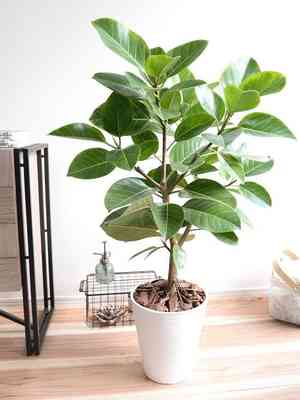
The optimal period for transplanting council tree spans from late spring to midsummer, a time of warmth and vigor, which facilitates strong root development. Select a location offering abundant indirect illumination and sufficient room. Careful management of the root system during the transfer process can foster vigorous growth.
What Preparations are Needed Before Transplanting Council Tree?
What is the Ideal Time for Transplanting Council Tree?
The optimal period for relocating council tree is when late spring transitions into early summer. This timeframe offers council tree a beneficial combination of mild temperatures and extended daylight, promoting robust root development and minimizing stress. Establishing council tree in its new location during this season ensures a smooth adaptation, as the soil is adequately warm for root growth while avoiding the intense summer heat that can overwhelm newly transplanted specimens.
How Much Space Should You Leave Between Council Tree Plants?
When planting your council tree, position them with a separation of 15-20 feet (4.5-6.0 meters) from one another. This provides each plant ample room to develop and flourish, while also reducing competition for essential resources.
What is the Best Soil Mix for Council Tree Transplanting?
For your council tree, prepare a well-draining soil enriched with organic matter. Incorporate a slow-release base fertilizer, such as a 10-10-10 (nitrogen-phosphorus-potassium) blend, into the soil. This encourages vigorous initial growth.
Where Should You Relocate Your Council Tree?
Select a site for your council tree that receives a combination of sun and shade throughout the day. These plants prefer bright but indirect illumination, so avoid placing them in direct, harsh sunlight.
What Equipments Should You Prepare Before Transplantation Council Tree?
Gardening Gloves
To protect your hands from soil and potential injuries from sharp implements.
Shovel or Spade
To assist in excavating the council tree from its original position.
Gardening Trowel
To aid in planting young plants or smaller specimens.
Wheelbarrow or Plant Dolly
To quickly and safely move the plant without causing damage.
Pruning Shears
To remove any dead or damaged roots if necessary.
Hand Fork
To help loosen the soil surrounding the plant's root system.
Watering Can or Hose
To moisten the soil in the new location and hydrate the plant after relocation.
How Do You Remove Council Tree from the Soil?
How Do You Remove Council Tree from the Soil?
From Ground: Begin by watering the council tree to moisten the soil. Then, using your shovel or spade, carefully dig a wide trench around the plant, ensuring you go deep enough to keep the root ball intact. Apply gentle leverage with the spade beneath the root ball, gradually lifting the plant out of the soil.From Pot: Water the council tree. Place your hand over the top of the pot, holding the plant stem between your fingers. Gently invert the pot and allow the plant to slide out, retaining as much soil with the root-ball as possible.From Seedling Tray: Water the seedlings to loosen the soil. Use a spoon or small trowel to carefully extract the council tree seedling by sliding it under the root mass. Lift the seedling from the tray with care, ensuring the roots remain undamaged.
Step-by-Step Guide for Transplanting Council Tree
Preparation
Begin by preparing the new site where you intend to transplant the council tree. Dig a hole that is twice the width and comparable in depth to the root ball of your council tree.
Transfer
Using the wheelbarrow or plant dolly, transport the council tree to its new location. Position the plant in the center of the hole, ensuring the top of the root ball is level with the ground surface.
Backfill
Once the plant is correctly positioned, backfill the hole with the soil you previously excavated. Gently compact the soil to ensure there are no air pockets around the roots.
Water
Water the council tree generously immediately after transplanting, to help settle the soil around its roots.
How Do You Care For Council Tree After Transplanting?
Watering
After transplanting, it's essential to keep the council tree adequately hydrated. For the initial few weeks, ensure the soil remains consistently moist, but not waterlogged. This promotes the development of new roots.
Pruning
To help the council tree conserve its energy for developing new roots, consider lightly pruning the plant. Removing excess foliage reduces the demands on the newly transplanted roots to support excessive top growth.
Pest Control
Keep a close watch for common pests that might exploit your council tree while it's in a vulnerable state. If necessary, use mild, organic pesticides as a preventative measure.
Monitor
Observe for signs of transplant shock such as leaf drop, wilting, or discoloration. If these symptoms persist, consult an expert or your local garden center for guidance.
Troubleshooting Common Issues with Council Tree Transplantation.
What's the best time of the year to transplant council tree?
The optimal period to transplant council tree is between late spring and early autumn, sometimes referred to as between season 3 and season 5.
How much spacing does council tree need when transplanting?
Council tree requires ample room to grow. You should ideally maintain a gap of 15-20 feet (4.5-6 meters) between adjacent plants.
What should be the depth of the hole for transplanting council tree?
The hole for council tree should be twice the size of the root ball, approximately 1-2 feet (30-60 cm) deep. The additional space aids in faster root establishment.
How should I prepare the transplant hole for council tree?
Amend the soil with compost. Then, excavate a hole that is twice as wide and as deep as council tree's root ball. This helps the roots settle comfortably into their new home.
What's the right strategy to remove council tree from its original container?
Aim to minimize damage to council tree's roots. Tilt the plant sideways, gently press the sides of the pot, and then invert it to carefully extract the plant.
Why is council tree wilting after being transplanted?
This is known as 'transplant shock', a common occurrence due to root damage during transplantation. Provide sufficient water, avoid excessive sunlight, and consider using a root-stimulator to help council tree recover.
How often should I water council tree post-transplant?
Initially, water thoroughly daily for the first couple of weeks. As council tree establishes itself, you can decrease watering frequency. The goal is to keep the soil moist but not waterlogged.
Do I need to stake council tree after transplanting?
This is not typically necessary. However, in a windy area, a stake can provide essential stability for council tree until its roots firmly establish in the new soil.
Should I prune council tree after transplanting?
Pruning immediately after transplanting isn't essential but can help reduce water loss. Remove only dead or damaged leaves. This will allow council tree to focus its energy on root growth.
Is it possible to transplant council tree at any point in its life?
Yes, with appropriate care. However, smaller, younger plants cope better with the stress of transplantation. Mature council tree may require more expertise and resources to move without damage.



