How to Transplant Red Fescue?
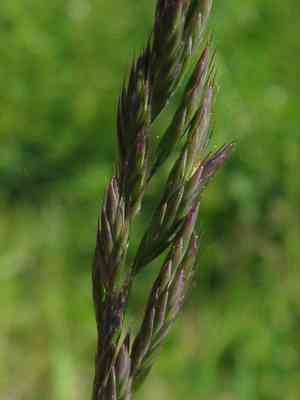
For red Fescue, transplanting in the mild temperatures of mid to late spring or early summer promotes vigorous development, due to ideal root integration. Choose a location offering full sunlight to partial shade and soil that drains effectively to guarantee red Fescue thrives. A friendly reminder: handle your red Fescue gently when moving it to its new spot for optimal outcomes!
Preparations Required Before Relocating Red Fescue?
Optimal Period for Relocating Red Fescue?
The best time to establish red Fescue is from mid-spring to early summer. This period offers moderate temperatures and consistent moisture, perfect for root development. Moving red Fescue during this phase ensures roots settle well before late summer heat and become strong before winter. A helpful hint: successful red Fescue relocation in this season guarantees vibrant, green growth that will be admired by all!
Recommended Spacing Between Red Fescue Plants?
When preparing to relocate your red Fescue, position plants approximately 1-2 feet (30-60 cm) apart. This spacing is crucial as it provides each plant ample room to grow and thrive. Take your time! The process itself is rewarding.
Ideal Soil Blend for Red Fescue Relocation?
Your red Fescue flourishes in well-draining loam or sandy soil. Prior to planting, incorporate a basic organic fertilizer to nourish your transplants. This simple step can significantly impact your plant's health and growth, so don't overlook it.
Where to Position Your Red Fescue?
Seeking the perfect spot for your red Fescue? Locate an area that receives full to partial sunlight. While it's not demanding, it benefits from sunshine and the energy it provides. You've got this gardening champion!
Equipment to Prepare Before Relocating Red Fescue?
Gardening Gloves
To keep hands clean and protected when handling soil and the plant.
Trowel
For excavating the new site and extracting the red Fescue from its original spot.
Spade
To assist in creating the new cavity in your garden where your red Fescue will be moved.
Watering Can
For hydrating the red Fescue after its relocation.
Wheelbarrow
Useful for transporting the red Fescue to its new position, especially if it's a larger specimen.
Pruning Shears
To trim any damaged or unwanted portions of the red Fescue during the relocation process.
Mulch
To aid in moisture retention at the new site and reduce weed competition.
How to Extract Red Fescue from the Soil?
How to Extract Red Fescue from the Soil?
From Ground: Begin by irrigating the red Fescue plant a few hours before its planned relocation. This helps the soil and roots adhere together. Drive a spade deeply into the ground about a foot from the plant's base. Gently work your way around the red Fescue, loosening the soil. Once the ground is loose, carefully slide your spade beneath the plant and lift it, as maintaining an intact root ball is vital for successful relocation.From Pot: Water the red Fescue thoroughly beforehand. Tilt the pot sideways, grasp the red Fescue at its base, and gently pull and twist the red Fescue to dislodge it. If the plant doesn't slide out easily, tap the container's bottom until the red Fescue is released.From Seedling Tray: Carefully hold the red Fescue's base and use a slender tool, like a butter knife, to ease the seedling and its soil from the cell. Avoid disturbing the roots during removal.
Step-by-Step Guide for Relocating Red Fescue
Hole Preparation
Excavate a hole twice as wide and the same depth as the red Fescue's current root ball. Ensure the hole's base is firm to prevent the red Fescue from sinking once planted.
Plant Placement
Position the red Fescue in the hole's center. The root ball's top should be level with or slightly above the surrounding soil to allow for settling and proper drainage.
Filling In
Carefully backfill the hole, firming the soil as you proceed. Avoid burying the red Fescue deeper than its previous growth level.
Watering
Thoroughly irrigate the red Fescue after relocation. Ensure water reaches the root zone.
Mulching
Apply a layer of mulch around the red Fescue to help conserve moisture, suppress weeds, and encourage root activity.
How to Care for Red Fescue After Relocation?
Watering
Water your red Fescue regularly, especially during the initial weeks post-relocation. This supports new root growth and aids the red Fescue in establishing itself in its new environment.
Pruning
Lightly trim the red Fescue after relocation. This reduces the plant's water demands and helps prevent transplant shock.
Monitoring
Closely observe the red Fescue for the first few weeks. Yellow leaves might indicate insufficient water, while wilting could suggest overwatering.
Troubleshooting Common Issues with Red Fescue Relocation.
When is the best time to relocate red Fescue?
The optimal period for relocating red Fescue is from late spring to early autumn (S2-S4). This allows the plant to establish roots before winter.
How should I space red Fescue when planting?
Red Fescue should be spaced approximately 1-2 feet (30.5-61 cm) apart, providing ample room for growth and spread.
What's the proper depth to plant red Fescue?
When relocating red Fescue, ensure it's planted as deep as its root ball, with the root's top level with the ground.
How can I ensure successful relocation of red Fescue?
Always water red Fescue thoroughly after relocating them. Consistent watering in the initial weeks is crucial until the plant establishes itself.
What type of soil is suitable for relocating red Fescue?
Red Fescue prefers well-drained soil. Amend your relocation site with organic matter to improve drainage if the soil is heavy clay or very sandy.
What should I do if red Fescue shows signs of wilting after relocation?
Wilting could indicate transplant shock. Keep the soil slightly moist and reduce the red Fescue's sun exposure for a few days.
Do I need to fertilize red Fescue after relocation?
After relocating, provide red Fescue with a light application of balanced, slow-release fertilizer to promote root growth and help the plant settle in its new location.
What can I do if red Fescue doesnât show any growth after relocation?
If red Fescue shows no new growth after relocation, ensure it's receiving adequate water and sunlight. Also, check for any signs of disease or pests.
How should I handle red Fescue before relocating?
Before relocating red Fescue, hydrate it by watering it thoroughly. This can prevent undue stress to the plant during the relocation process.
Do I need to prune red Fescue before relocation?
It's not essential to prune red Fescue before relocating. However, trimming foliage can minimize water loss during the initial establishment phase after planting.



