How to Transplant Paperplant?
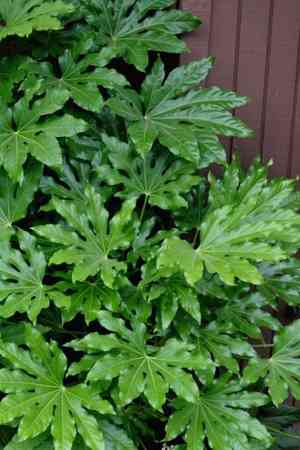
The ideal period for relocating paperplant is at the transition from late spring to early summer, when the specimen is vigorously developing. Select a site with partial shade to guarantee its successful establishment. Bear in mind that paperplant flourishes optimally in substrates that drain effectively. Enjoy your transplanting!
What Preparations are Needed Before Transplanting Paperplant?
What is the Ideal Time for Transplanting Paperplant?
Relocating paperplant during the pleasant period from late spring to early summer, or 'the peak of spring', is the optimal timing. This season allows paperplant to acclimate to its new spot before the strain of high summer temperatures. Your paperplant would feel comfortable and exhibit prime growth. By giving paperplant this early advantage, you enhance its ability to flourish for the remainder of the year!
How Much Space Should You Leave Between Paperplant Plants?
To provide your paperplant ample room to develop, aim for a separation of approximately 5-8 feet (1.5-2.4 meters) between them. This ensures they have sufficient area to expand and thrive.
What is the Best Soil Mix for Paperplant Transplanting?
Prior to transplanting, prepare the soil by incorporating some organic material, such as compost or well-rotted manure. Paperplant prefers soil that drains well, is fertile, and has a pH level around 5-8. Remember to include a slow-release base fertilizer, like a 5-10-5 mixture, for optimal development.
Where Should You Relocate Your Paperplant?
Select a location that receives partial shade to shield your paperplant from intense direct sunlight. However, this plant can endure various levels of sun exposure, so if only full sun or full shade areas are available, your paperplant will still grow, just at a slower pace.
What Equipments Should You Prepare Before Transplantation Paperplant?
Gardening Gloves
To protect your hands from soil and potential injuries.
Trowel
Perfect for digging small holes and moving minor amounts of earth.
Shovel or Spade
Required to carefully excavate around and beneath paperplant when extracting it from its original spot.
Gardening Pruners
Useful for trimming off any dead, diseased, or damaged parts of the plant both before and after transplant.
Watering Can
For keeping the soil moist before and after relocating paperplant.
How Do You Remove Paperplant from the Soil?
How Do You Remove Paperplant from the Soil?
From Ground: First, ensure you water your paperplant plant to soften the soil, making excavation easier. Then, using a shovel or spade, dig a good distance away from the plant to avoid damaging the root system. Gradually work your way under the root ball and lift it out of the soil. Try to keep as much of the root ball intact as possible.From Pot: Begin by watering the paperplant plant in its container, which will help it slide out efficiently. Then, tilt the pot sideways while holding the plant's base, and gently shake it loose. If it doesn't come out easily, tap the sides or bottom of the pot to assist.From Seedling Tray: Water the tray before attempting to extract the paperplant seedlings; this facilitates their release. Use a pruner or small gardening tool to separate the seedling from neighboring ones if necessary. Carefully lift the seedling by its leaves, not the stem, to prevent any harm.
Step-by-Step Guide for Transplanting Paperplant
Preparation
Before transplanting, clear the new site of weeds or other vegetation. If the soil is compacted, turn it over with your shovel or a gardening fork.
Digging the Hole
The hole should be approximately twice the width and the same depth as the root ball of your paperplant. This should provide it with ample space for its roots to spread.
Planting
Place paperplant into the hole, ensuring it is level with the ground. If it's too low or too high, adjust the soil at the bottom of the hole before repositioning the plant. Then, backfill the hole, gently pressing the soil around paperplant.
Watering
Once transplanted, thoroughly water paperplant. This will help to settle the soil around the roots and minimize transplant shock.
How Do You Care For Paperplant After Transplanting?
Watering
Maintain a consistent watering schedule for paperplant, keeping the soil generally damp, but avoid waterlogging. For the initial few weeks, daily watering might be necessary. Gradually you can reduce watering frequency once the plant begins to grow vigorously.
Pruning
Do not prune your transplanted paperplant immediately after the process; allow it some time to recover and adjust to its new location. Wait for the plant to show signs of new growth before you begin pruning.
Checking
Monitor your plant for early indicators of stress or disease, such as wilting, yellowing, or drooping. Early detection can prevent serious damage to your paperplant plant.
Troubleshooting Common Issues with Paperplant Transplantation.
When's the best time to transplant paperplant?
The ideal period to move paperplant is between the conclusion of spring and the commencement of summer.
What's the recommended distance between paperplant when transplanting?
For optimal growth, space paperplant approximately 5 to 8 feet (1.5 to 2.4 meters) apart.
Which soil type does paperplant prefer?
Paperplant favors rich, well-drained soil. Incorporating compost or organic matter can enhance soil conditions.
How deep should paperplant be planted when transplanting?
The best practice is to plant paperplant at the same depth they were growing in their previous location.
Why are the leaves of my transplanted paperplant turning yellow?
This could be due to excessive watering or poor drainage. Check the soil's moisture levels and adjust irrigation habits accordingly.
How often should I water paperplant after transplanting?
Initially, paperplant requires ample watering. Afterward, water deeply once a week, or more frequently in warmer weather.
What's the best method to transplant paperplant?
First, carefully dig up paperplant to avoid damaging roots. Transplant it to a hole just as deep and twice as wide as the root ball.
Why is my transplanted paperplant wilting?
Wilting can occur due to transplant shock. Maintain proper watering, add mulch around but not touching the plant base to help retain moisture.
What's the recommended fertilizing routine for transplanted paperplant?
Fertilize paperplant shortly after planting, and then again at the beginning of each spring using a slow-release balanced fertilizer.
Do I need to prune paperplant after transplanting?
Pruning is not necessary immediately after transplanting. But trimming back any damaged branches can help paperplant focus its energy on new growth.



