How to Transplant European beech?
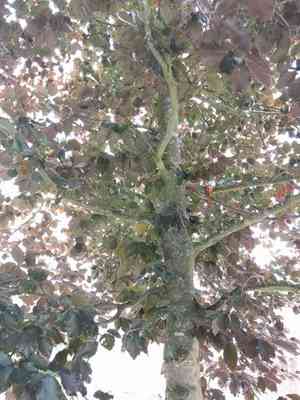
The ideal period for relocating European beech is at the onset of the spring season's warmth. This guarantees robust root development and sufficient time for the plant to acclimate to its new environment. Select a site that receives full sun or partial shade and features soil with good drainage. Carefully loosen the root mass during the transplanting process to encourage improved growth.
What Preparations are Needed Before Transplanting European Beech?
What is the Ideal Time for Transplanting European Beech?
Relocate european beech during the initial warmth of spring. This period offers optimal conditions with reduced risk of frost damage. Spring's mild temperatures aid european beech in establishing roots more quickly, promoting robust development. Helpful hint: By moving european beech early, you allow this enduring plant ample time to settle before the summer heat. It's truly the best choice for your garden. Transplant european beech as spring begins to bring forth new growth. This timing is crucial for a successful transplant! Your gardening guide strongly advises the early spring season. You'll maximize the chances for your european beech to flourish, which is wonderful!
How Much Space Should You Leave Between European Beech Plants?
When relocating your european beech, position them approximately 30-50 feet (9-15 meters) apart. This will provide sufficient room for their extensive root systems and ensure they have adequate space to expand in the coming years.
What is the Best Soil Mix for European Beech Transplanting?
To prepare the soil for moving your european beech, you'll want to use a well-draining, rich soil with a slightly acidic pH (4.0 to 7.0). Incorporate a generous amount of organic material, such as compost, and mix in a slow-release, balanced fertilizer (like a 10-10-10) to encourage healthy root development.
Where Should You Relocate Your European Beech?
Select a sunny or partially shaded spot for your european beech to thrive. Ideally, they should receive about 4-6 hours of sunlight daily. If possible, choose a location that offers some protection from strong winds, as this will help maintain the plant's vitality.
What Equipments Should You Prepare Before Transplantation European Beech?
Gardening Gloves
To safeguard your hands while handling soil and plants.
Shovel or Spade
To excavate a hole for relocation and extract the plant from its original spot.
Pruning Shears
To trim away damaged or unwanted branches prior to transplanting.
Watering Can or Hose
To hydrate the plant before and after its move.
Stakes and Ties
To provide support for the european beech tree if needed.
Compost or Organic Matter
To enhance the soil quality at the new planting location.
How Do You Remove European Beech from the Soil?
How Do You Remove European Beech from the Soil?
From Ground: First, irrigate the european beech plant to moisten the soil. Then, dig a wide trench around the plant using a shovel or spade, ensuring the plant's root ball remains intact. Carefully work the spade beneath the root ball to lift the plant from its initial position.From Pot: Water the container holding the european beech plant to dampen the soil. Gently invert the pot and carefully ease the plant out, keeping the root ball whole.From Seedling Tray: Water the tray to moisten the soil. Use a trowel or a pair of scissors to gently separate the european beech seedling from its neighboring plants. Carefully lift the seedling from the tray, taking care not to harm its roots.
Step-by-Step Guide for Transplanting European Beech
Preparation
Remove damaged or undesirable branches from the european beech plant using pruning shears.
Digging a Hole
Excavate a hole at the new planting site, large enough to accommodate the plant's root ball, and at least 1.5 times its width.
Enriching the Soil
Combine compost or organic material with the soil removed from the hole.
Placing the Plant
Gently position the european beech plant into the hole, ensuring it is upright and centered. Fill the hole with the enriched soil, covering the root ball and making sure there are no air pockets.
Watering
Water the plant thoroughly, allowing the moisture to penetrate the soil around the root ball.
Staking and Tying
If the european beech plant requires support, insert stakes into the ground around the tree and loosely tie them to the plant.
How Do You Care For European Beech After Transplanting?
Watering
Continue to water the european beech deeply and consistently during the initial weeks after transplanting to help establish strong roots.
Mulching
Apply a layer of mulch around the base of the plant to help retain moisture and suppress weeds.
Pruning
Inspect the european beech plant regularly for damaged or unwanted branches, and prune as needed to maintain its shape and encourage healthy growth.
Fertilizing
After the first few weeks, begin applying a balanced fertilizer as recommended for the european beech, following package instructions for application rates and frequency.
Protection
Monitor for pests, diseases, or animals that might harm the european beech and address or prevent issues as necessary.
Troubleshooting Common Issues with European Beech Transplantation.
When is the best time to transplant european beech?
The optimal period to replant european beech is at the start of spring. This allows the plant an entire growing season to establish its root system.
What is the perfect distance between each european beech when transplanting?
Each european beech should be transplanted with a spacing of approximately 30-50 feet (9-15 meters). This helps ensure they have ample room for canopy spread.
What if my european beech doesn't seem to grow after transplanting?
European beech can exhibit slow growth after relocation. Ensure proper care by watering regularly, especially during dry spells, and exercise patience.
Why are the leaves of my transplanted european beech turning yellow?
Yellow foliage might indicate water stress. Ensure the soil around european beech remains consistently moist, but not waterlogged. Consider improving drainage if it's excessively wet.
How deep should I plant european beech?
Your european beech should be planted so that the top of the root ball is level with or slightly above the surrounding soil, typically about 18-20 inches (45-50 cm).
Do I need to amend the soil before transplanting european beech?
European beech prefers well-draining, fertile soil. If your soil quality is poor, consider enriching it with compost or other organic matter before transplanting.
Should I stake european beech after transplanting?
Staking european beech can help stabilize the plant if it's in a windy location or the tree is unstable. If your tree stands upright on its own, staking is not required.
Why is my transplanted european beech leaning or tilting?
Your european beech might lean if it was not planted correctly or if there is significant wind. Correct the inclination by gently straightening and staking if necessary.
Do I need to prune european beech after transplanting?
Pruning is not immediately necessary after transplanting your european beech. However, any dead or diseased branches should be removed to aid the plant's health.
How much should I water european beech after transplanting?
For the initial few weeks after transplantation, european beech should be watered thoroughly at least once a week. Adjust frequency based on weather conditions and soil moisture.



