How to Transplant American beech?
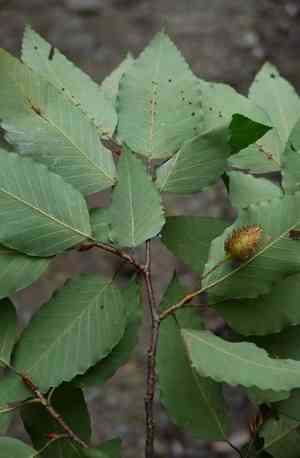
To ensure successful relocation, american beech thrives when transferred during the agreeable window spanning from late spring to midsummer. Meticulously choose a fresh site offering ample solar exposure and soil that drains effectively. Bear in mind, prompt transplanting guarantees the american beech's peak development and extended lifespan.
What Preparations are Needed Before Transplanting American Beech?
What is the Ideal Time for Transplanting American Beech?
The optimal period to relocate american beech is during the pleasant weather of late spring through midsummer. This promotes peak development and minimizes transplant shock, allowing your american beech to flourish beautifully.
How Much Space Should You Leave Between American Beech Plants?
To allow american beech ample room to expand, position them approximately 50-70 feet (15-21 meters) apart. This spacing ensures sufficient area for robust root growth and a magnificent canopy.
What is the Best Soil Mix for American Beech Transplanting?
For american beech, select well-draining, loamy soil with a slightly acidic pH. Enhance the planting site with compost and a slow-release, balanced fertilizer to support vigorous growth.
Where Should You Relocate Your American Beech?
Choose a spot with full sun to partial shade for american beech. Those receiving more sunlight tend to form a denser, more symmetrical canopy, while those in partial shade exhibit a more open structure.
What Equipments Should You Prepare Before Transplantation American Beech?
Gardening Gloves
To safeguard your hands while handling soil and the plant.
Shovel or Spade
For excavating the planting hole and assisting in the removal of the american beech plant from its original spot.
Tarp or Burlap
To transport the root ball and shield it during the relocation process.
Pruner or Garden Shears
To trim any damaged or lifeless branches prior to transplanting.
Watering Can or Hose
To hydrate the american beech before and after its relocation.
Stakes and Ties
To offer support for the newly transplanted american beech if necessary.
How Do You Remove American Beech from the Soil?
How Do You Remove American Beech from the Soil?
- From Ground:First, water the american beech plant to moisten the soil. Next, dig a wide trench around the plant using a shovel or spade, ensuring the plant's root ball remains intact. Carefully work the spade beneath the root ball to lift the plant from its original location, then transfer it to a tarp or burlap for transport.- From Pot:Water the american beech plant to dampen the soil and loosen the root ball. Gently tilt the pot on its side, and tap the pot's sides to help release the root ball. Carefully slide the plant out of the pot, preserving the root structure as much as possible.- From Seedling Tray:Water the american beech seedlings to moisten the soil. Carefully use a small trowel or your fingers to separate the seedlings, ensuring you do not harm the delicate roots. Gently lift the seedlings out of the tray, maintaining their root structure.
Step-by-Step Guide for Transplanting American Beech
Preparation
Measure the root ball of your american beech plant and prepare the planting hole in the chosen location, making it twice as wide and slightly deeper than the root ball. Roughen the sides of the hole for improved root penetration.
Root Care
Examine the root ball before transplanting, and gently untangle any circling roots to encourage outward growth. Trim any damaged or dead roots using pruners or garden shears.
Placement
Carefully lower the american beech plant into the planting hole, ensuring it is straight and centered. The top of the root ball should be slightly above the surrounding soil level to allow for settling.
Backfilling
Refill the planting hole with a mixture of native soil and organic matter, such as compost or well-rotted manure. Gently press the soil around the root ball to eliminate air pockets and provide support.
Watering
Water the american beech plant thoroughly, allowing the water to penetrate deep into the soil. This helps to settle the soil and establish strong roots.
Extra Support (if needed)
If your american beech plant is tall or slender, use stakes and ties to provide support and encourage upright growth. Tie the plant loosely to the stakes, allowing room for growth and movement.
How Do You Care For American Beech After Transplanting?
Monitoring
Check on your american beech plant regularly, especially during the initial weeks after transplanting, to ensure it is adapting well and showing signs of growth.
Watering
Maintain consistent moisture levels around the american beech plant, keeping the soil evenly moist but not waterlogged. Adjust watering frequency based on weather conditions and growth stages.
Pruning
Prune any dead or damaged branches in the first year after transplanting, to promote healthy growth and reduce stress on the american beech plant. Regular maintenance pruning will help maintain overall plant health and shape.
Mulching
Apply a layer of organic mulch, such as wood chips or bark, around the base of the american beech plant, leaving a gap between the mulch and the trunk. This helps to retain moisture, suppress weeds, and regulate soil temperature.
Pest and Disease Control
Monitor your american beech plant for any indications of pests or diseases, treating promptly and using appropriate remedies to protect the plant.
Troubleshooting Common Issues with American Beech Transplantation.
When's the best time to transplant american beech?
Ideally, relocate american beech during late spring to mid-summer for optimal growth and successful establishment.
What is the preferred spacing for transplanting american beech?
For american beech, maintain a spacing of about 50-70 feet (15-21 meters) apart from other trees when transplanting.
How to prepare the planting hole for american beech?
Excavate a hole twice the width and the same depth as american beech's root ball to provide space for root growth.
Should I trim american beech roots before transplanting?
Yes, prune dead, broken, or circling roots before relocating american beech to encourage healthy root development.
Do I need to amend the planting site soil for american beech?
American beech adapts well in various soils. However, enriching soil with compost improves drainage and fertility.
How deep should I plant american beech in the hole?
Position american beech in the hole so the root collar (where roots meet trunk) is slightly above ground level.
What's the best way to water american beech after transplanting?
Water american beech thoroughly after transplanting, then maintain soil moisture with regular watering throughout the season.
How to stake american beech after transplanting?
Stake american beech loosely, allowing some movement to encourage strong trunk development. Remove stakes after one year.
Should I apply mulch around american beech after transplanting?
Yes, apply a 2-4 inch (5-10 cm) layer of organic mulch around american beech to conserve moisture and suppress weeds.
How to protect american beech from wildlife after transplanting?
Install protective fencing or tree guards to shield american beech from wildlife damage during establishment and early growth.



