How to Transplant Prickly water lily?
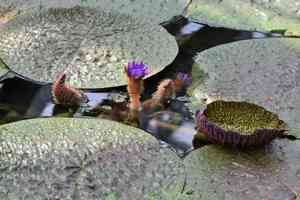
Relocate prickly water lily as the year's spring foliage emerges. This facilitates strong root development in warm, calm aquatic environments, under conditions ranging from partial sunlight to complete shade. A helpful suggestion: select an ample area to allow for unhindered expansion.
What Preparations are Needed Before Transplanting Prickly Water Lily?
What is the Ideal Time for Transplanting Prickly Water Lily?
The start of the growing season, specifically the period when winter transitions into the renewal of spring, presents an optimal opportunity for relocating prickly water lily. This gentle onset of warmer weather encourages robust root development without the strain of summer heat or winter cold. Moving prickly water lily during this time utilizes nature's cycle of regeneration, ensuring improved adaptation and growth. By transplanting under these conditions, you can give prickly water lily a head start with ideal soil moisture and cooler evenings for recovery, setting the stage for a lush, vibrant display in the coming months.
How Much Space Should You Leave Between Prickly Water Lily Plants?
Adequate spacing is crucial when planting prickly water lily. Please maintain a distance of 3-4 feet (approximately 1-1.2 meters) between them. This will provide ample room for their development without overcrowding.
What is the Best Soil Mix for Prickly Water Lily Transplanting?
Prickly water lily thrives in a spot with nutrient-rich, well-draining soil for peak development. Before transplanting, enrich the soil with compost for added nutrients. For initial fertilization, a slow-release granular product is a good choice.
Where Should You Relocate Your Prickly Water Lily?
Prickly water lily enjoys sunlight but also appreciates some shade during the hottest part of the day. Choose a location that receives full sun in the morning and partial shade in the afternoon. Happy planting!
What Equipments Should You Prepare Before Transplantation Prickly Water Lily?
Gardening Gloves
To safeguard your hands while handling the plant and potentially sharp tools.
Garden Spade or Shovel
To assist in the digging process while minimizing harm to the prickly water lily plant's root ball.
Trowel
For excavating small holes and refining the planting area.
Watering Can
To pre-moisten the soil at the new planting site, and to water the prickly water lily plant after relocation.
Mulch
To apply around the base of the prickly water lily following transplantation. This helps retain soil moisture and inhibit weed growth as the plant establishes.
Wheelbarrow or Bucket
For moving the prickly water lily from its original spot to the new planting location.
How Do You Remove Prickly Water Lily from the Soil?
How Do You Remove Prickly Water Lily from the Soil?
From Ground: First, hydrate the prickly water lily plant to moisten the soil. Use a garden spade or shovel to excavate a wide trench around the plant, being careful to keep the root structure intact. Gently work the spade beneath the root ball and carefully lift the plant from the ground.From Pot: Begin by thoroughly watering the plant to facilitate its removal. Tilt the pot sideways and gently extract the plant, maintaining firm but gentle pressure on the root ball. If the plant resists, you can use a knife to loosen the soil along the inner edge of the pot.Seedling Tray: Water the seedlings well before removal. Gently grasp a leaf of the prickly water lily plant, avoiding the stem or roots, and push up from the bottom of the cell the seedling occupies. If necessary, use a pencil or blunt stick to aid in lifting the seedling.
Step-by-Step Guide for Transplanting Prickly Water Lily
Preparation
Prepare the new planting location by digging a hole wide and deep enough to accommodate the prickly water lily plant's root ball. Partially fill it with loose soil.
Moistening
Use a watering can to dampen the soil in the hole, ensuring it is moist but not waterlogged.
Placing the Plant
Carefully position the prickly water lily plant in the hole, making sure the top of the root ball is level with the soil surface.
Backfilling
Refill the hole around the plant, gently but firmly compacting the soil to eliminate air pockets without overly compressing the soil around the roots.
Watering
Water the plant generously once it's in place to help it settle.
Mulching
Spread a thin layer of mulch around the base of the prickly water lily plant to retain moisture and suppress weeds.
How Do You Care For Prickly Water Lily After Transplanting?
Post-Transplant Watering
Keep the soil around the prickly water lily consistently moist, but not saturated. It's often beneficial to water deeply and less frequently to encourage robust root development.
Post-Transplant Feeding
Refrain from fertilizing the prickly water lily for a few weeks after transplanting, allowing it to prioritize root establishment first.
Monitoring
Observe the prickly water lily plant closely, especially during the initial weeks. Signs of transplant shock may include wilting, yellowing, or dropped leaves. If these occur, ensure you're not overwatering and that the plant is not exposed to extreme temperature fluctuations.
Growth Support
As the prickly water lily grows, it might require support. Gently stake the plant as needed, being careful not to harm the roots.
Troubleshooting Common Issues with Prickly Water Lily Transplantation.
What are the ideal conditions for transplanting prickly water lily?
Relocate prickly water lily during the optimal season, S1, when the plant is dormant. Ensure the site provides ample space, ideally 3-4 feet (approximately 1-1.2 meters).
What should be the depth of the hole for transplanting prickly water lily?
The hole should be twice as wide and equal in depth to the root ball. This provides the roots sufficient room to spread and establish quickly.
Is watering necessary after transplanting prickly water lily?
Absolutely. Watering helps the soil settle around the plant roots. Moist soil promotes root growth, which is crucial for the plant's survival post-transplantation.
How do I choose a suitable location for transplanting prickly water lily?
Prickly water lily prefers sunny locations. While it can tolerate partial shade, a sunlit spot offers the best growth conditions. Don't forget the 3-4 feet (1-1.2 meters) spacing!
Why are the leaves of my transplanted prickly water lily turning yellow?
Yellow leaves can indicate transplant shock. Prickly water lily can also turn yellow from overwatering. Check the soil's moisture level before watering and ensure proper drainage.
Can I use fertilizers right after transplanting prickly water lily?
Avoid immediate fertilization to prevent root burn. Wait for about 4-6 weeks post-transplanting. Then use a slow-release, balanced fertilizer according to label instructions.
How much sunlight does a newly transplanted prickly water lily require?
Prickly water lily thrives under full sun. It needs at least 6 hours of sunlight daily for optimal growth after transplantation.
Can I transplant prickly water lily in a pot or container?
Yes, prickly water lily can be transplanted into a pot or container, provided it's sufficiently spacious. Ensure the pot has excellent drainage and is at least 3 feet (about 1 meter) in diameter.
Why is my transplanted prickly water lily wilting?
Wilting after transplantation could be due to root shock, insufficient water, or exposure to extreme temperatures. Try increasing watering and protecting the plant from harsh weather.
How can I avoid transplant shock while moving prickly water lily?
Avoid disturbing the root system as much as possible, water thoroughly after transplanting, and provide shade for the first few days to allow the plant to adjust.



